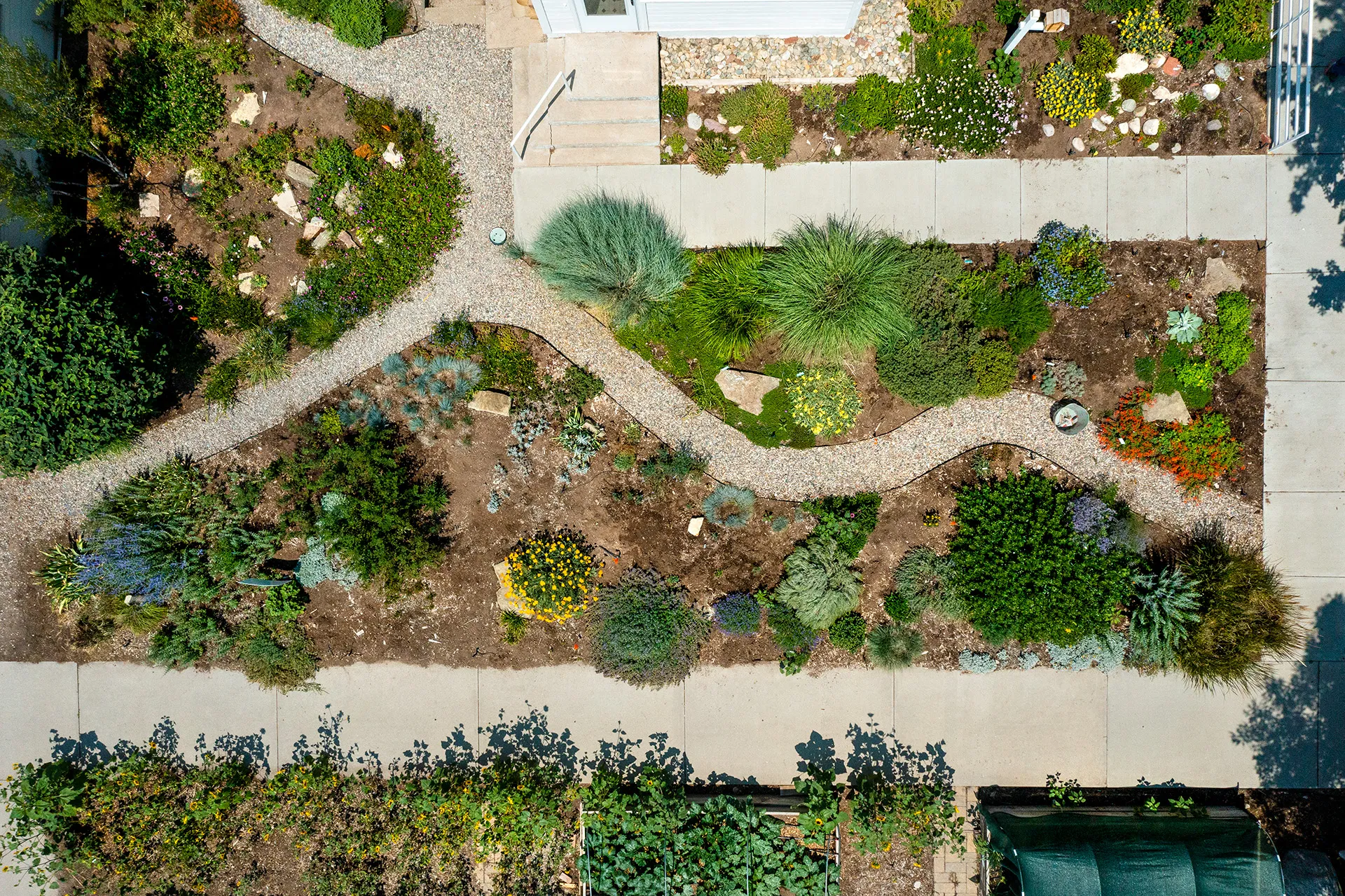
Sustainable Landscaping Ideas: Eco-Friendly Solutions for a Greener and Smarter Garden
Sustainable landscaping ideas are becoming increasingly popular as homeowners look for ways to create beautiful outdoor spaces while protecting the environment. Instead of relying on resource-intensive gardening practices, sustainable landscaping focuses on conserving water, improving soil health, supporting local ecosystems, and reducing waste.
Today, many homeowners want their gardens to look attractive while also being environmentally responsible. Fortunately, modern technology and eco-friendly gardening solutions make this possible. From smart irrigation systems to composting tools, sustainable landscaping combines thoughtful design with innovative products.
In this guide, you will learn practical sustainable landscaping ideas that can transform your outdoor space into an eco-friendly oasis. In addition, we will explore real products that help you implement these ideas effectively.
Why Sustainable Landscaping Matters for Modern Homes
Sustainable landscaping is more than just a gardening trend. It represents a long-term strategy for maintaining outdoor spaces in ways that conserve resources and protect natural ecosystems.
Traditional landscaping often relies on heavy irrigation, chemical fertilizers, and high-maintenance grass lawns. While these methods may create visually appealing yards, they can waste water, damage soil health, and contribute to environmental pollution.
On the other hand, sustainable landscaping encourages practices such as planting native vegetation, collecting rainwater, using compost instead of chemical fertilizers, and installing energy-efficient outdoor lighting. These strategies reduce environmental impact while maintaining a healthy landscape.
Another important benefit is cost savings. Sustainable landscaping reduces water bills, lowers maintenance costs, and minimizes the need for expensive fertilizers or pesticides. Over time, homeowners often find that eco-friendly landscaping is both environmentally responsible and financially practical.
Furthermore, sustainable landscaping improves biodiversity. By choosing plants that attract pollinators such as bees and butterflies, homeowners contribute to a healthier ecosystem around their homes.
Core Principles Behind Sustainable Landscaping Ideas
Before exploring specific tools and products, it is important to understand the core principles that guide sustainable landscaping.
Water Conservation in Landscape Design
Water conservation is one of the most critical aspects of sustainable landscaping. Traditional lawns can require thousands of gallons of water every year. As climate patterns change and drought conditions become more common, reducing water consumption becomes increasingly important.
One popular strategy is replacing traditional lawns with drought-tolerant plants, ornamental grasses, or ground covers. These plants require significantly less water while still providing texture and visual appeal.
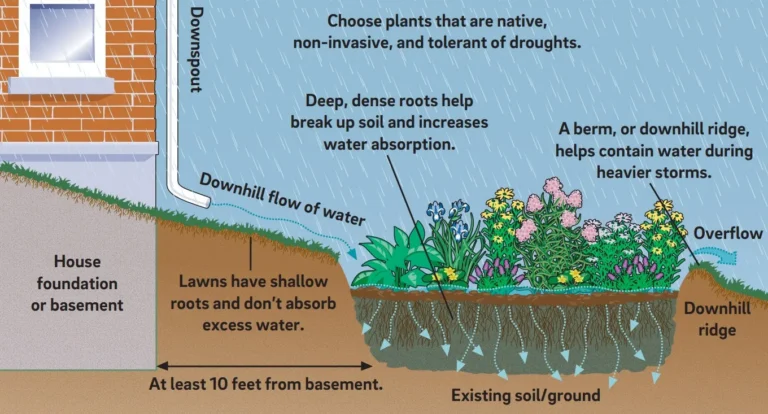
Another effective approach is rainwater harvesting. Instead of letting rainwater run off your property, you can collect and reuse it for irrigation. Rain barrels and water storage systems allow homeowners to capture natural rainfall and use it efficiently in their gardens.
Soil Health and Natural Fertilization
Healthy soil is the foundation of any sustainable garden. Instead of relying on synthetic fertilizers, sustainable landscaping focuses on natural soil enrichment.
Organic compost is one of the best ways to improve soil health. Compost adds essential nutrients, improves soil structure, and helps retain moisture. Over time, this creates a stronger ecosystem within the soil itself.
Additionally, mulching helps protect soil from erosion, reduces water evaporation, and suppresses weeds. Organic mulch materials such as bark, leaves, or wood chips gradually decompose and add nutrients back into the soil.
Native Plants and Biodiversity
Native plants are species that naturally grow in your region. Because they are adapted to local climate conditions, they require less water, fewer fertilizers, and minimal maintenance.
Planting native vegetation also supports local wildlife. Birds, bees, butterflies, and other beneficial insects rely on native plants for food and habitat. By incorporating native species into your landscaping, you help maintain ecological balance.
Moreover, native plants are often more resistant to pests and diseases, reducing the need for chemical treatments.
Smart Water Management with Modern Irrigation Technology
One of the most effective sustainable landscaping ideas is upgrading your irrigation system to a smart controller. The Rachio 3 Smart Sprinkler Controller is designed to optimize watering schedules based on weather data, soil conditions, and plant needs.
Unlike traditional sprinkler timers that follow rigid schedules, this smart device automatically adjusts watering patterns. For example, if rainfall is expected, the system delays irrigation to prevent overwatering. Similarly, during hot weather, it increases watering only when necessary.
This technology significantly reduces water waste. Many homeowners report saving up to 30–50 percent of their outdoor water usage after installing smart irrigation systems.
Another benefit is convenience. The system connects to a mobile app, allowing homeowners to monitor and control irrigation from anywhere. This level of automation makes it easier to maintain a healthy landscape without constant manual adjustments.
Collecting Rainwater for Sustainable Garden Irrigation
Rainwater harvesting is one of the simplest and most effective sustainable landscaping ideas. A rain barrel collects runoff water from rooftops and stores it for later use in your garden.
The Rain Wizard Rain Barrel is designed to capture up to 50 gallons of rainwater at a time. Instead of allowing rainwater to flow into storm drains, homeowners can store and reuse it for watering plants, washing tools, or maintaining garden beds.
This method significantly reduces dependence on municipal water systems. Additionally, rainwater is naturally free of chemicals like chlorine, making it healthier for plants.
Another advantage is environmental impact. By capturing rainwater, homeowners help reduce stormwater runoff, which can carry pollutants into rivers and lakes.
Composting for Natural Soil Enrichment
Composting is an essential component of sustainable landscaping. Instead of sending food scraps and yard waste to landfills, composting transforms organic materials into nutrient-rich fertilizer.
The FCMP Outdoor Compost Tumbler makes composting easy for homeowners. Its rotating drum design accelerates the decomposition process by improving airflow and mixing materials efficiently.
This product allows gardeners to recycle kitchen waste such as fruit peels, vegetable scraps, and coffee grounds. Over time, these materials break down into compost that enriches soil and improves plant health.
Composting also reduces landfill waste and lowers greenhouse gas emissions. Organic waste in landfills produces methane, a powerful greenhouse gas. Composting helps divert this waste and turn it into a beneficial resource.
Solar Lighting for Energy Efficient Outdoor Spaces
Outdoor lighting enhances safety and aesthetics, but traditional lighting systems consume electricity continuously. Solar lighting offers a sustainable alternative.
The Ring Solar Pathlight uses built-in solar panels to charge during the day and automatically illuminate pathways at night. Because the system runs on renewable energy, it eliminates electricity consumption from the grid.
In addition to energy savings, solar lights are easy to install. There is no need for complicated wiring or electrical work. Homeowners simply place the lights in strategic areas such as garden paths, driveways, or patio edges.
Furthermore, many modern solar lights include smart features such as motion detection and mobile connectivity. This adds convenience while maintaining an eco-friendly lighting system.
Native Plant Gardening with Sustainable Seed Mixes
Plant selection plays a major role in sustainable landscaping. Native plant seed mixes provide an easy way to introduce regionally adapted species into your garden.
The American Meadows Native Wildflower Seed Mix contains plant varieties that thrive in local climates and require minimal watering. These plants grow naturally without heavy fertilizers or pesticides.
Native wildflowers also support pollinators such as bees, butterflies, and hummingbirds. Pollinators play a crucial role in maintaining healthy ecosystems and supporting agricultural production.
Additionally, native gardens often require less maintenance than traditional lawns. Once established, these plants grow naturally and create beautiful seasonal blooms.
Creating a Low Maintenance Eco Friendly Landscape
Sustainable landscaping ideas focus not only on environmental benefits but also on reducing maintenance requirements. By choosing the right plants, soil practices, and irrigation systems, homeowners can create landscapes that thrive with minimal effort.
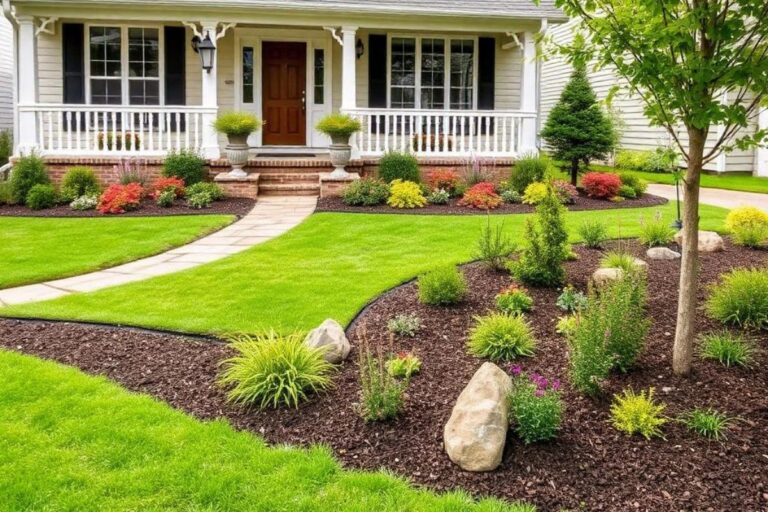
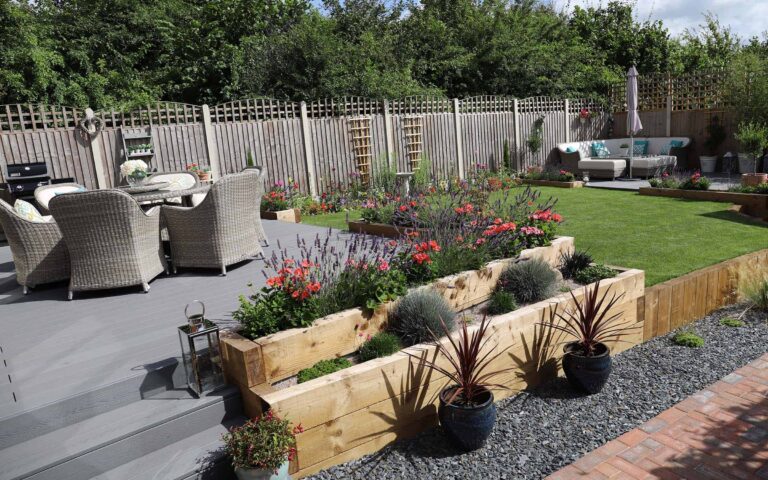
One effective strategy is replacing large lawn areas with diverse plant beds. Lawns require frequent mowing, watering, and fertilization. By introducing ornamental grasses, shrubs, and native plants, homeowners reduce maintenance while adding visual interest.
Another approach is layering plants in different heights. Trees provide shade, shrubs create structure, and ground covers protect soil. This layered approach mimics natural ecosystems and improves biodiversity.
In addition, sustainable landscapes often use permeable materials such as gravel paths, stone walkways, and natural mulch. These materials allow rainwater to penetrate the soil instead of running off hard surfaces.
Over time, these techniques create a resilient landscape that requires fewer resources and less labor to maintain.
Long Term Benefits of Sustainable Landscaping
The long-term benefits of sustainable landscaping extend beyond aesthetics. Eco-friendly gardens help conserve natural resources and improve environmental health.
Water conservation is one of the most immediate advantages. Smart irrigation systems and rainwater harvesting significantly reduce household water consumption.
Energy savings also play an important role. Solar lighting and energy-efficient garden technologies reduce electricity usage while maintaining functionality.
Additionally, sustainable landscaping increases property value. Homes with eco-friendly gardens often appeal to environmentally conscious buyers who appreciate lower maintenance costs and reduced environmental impact.
Finally, sustainable landscapes create healthier living environments. By reducing chemical use and increasing biodiversity, these gardens contribute to cleaner air, healthier soil, and stronger ecosystems.
Frequently Asked Questions
What is the main goal of sustainable landscaping?
The main goal of sustainable landscaping is to create outdoor spaces that conserve resources, support biodiversity, and minimize environmental impact while remaining visually appealing and functional.
Is sustainable landscaping more expensive?
Initially, some eco-friendly technologies such as smart irrigation systems may require investment. However, sustainable landscaping usually reduces long-term costs by lowering water usage, maintenance expenses, and energy consumption.
Can small gardens use sustainable landscaping ideas?
Yes. Even small gardens can incorporate sustainable practices such as composting, rainwater collection, native plants, and solar lighting. These ideas work in both small and large outdoor spaces.
Sustainable landscaping ideas allow homeowners to transform their outdoor spaces into environmentally responsible and visually stunning environments. By combining thoughtful design with innovative products like smart irrigation systems, rain barrels, composting tools, and solar lighting, anyone can build a greener and more resilient garden. 🌱♻️