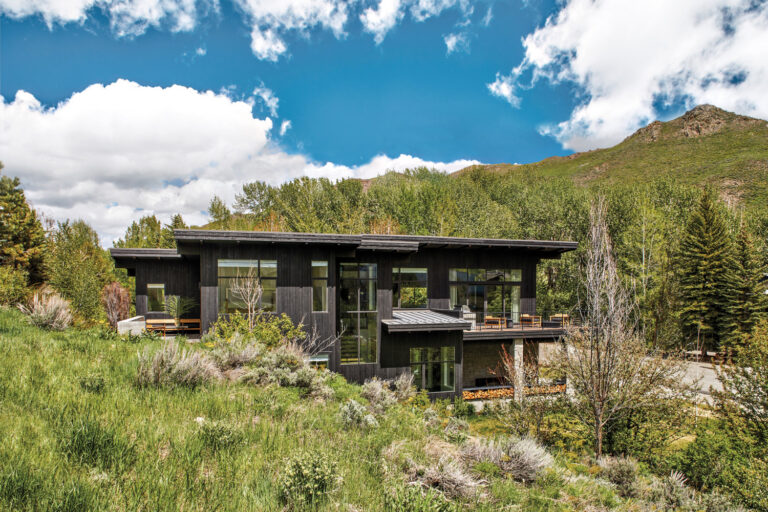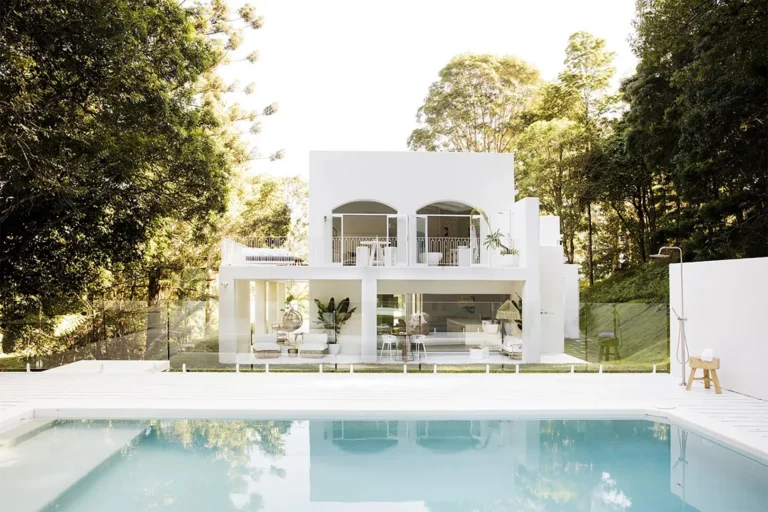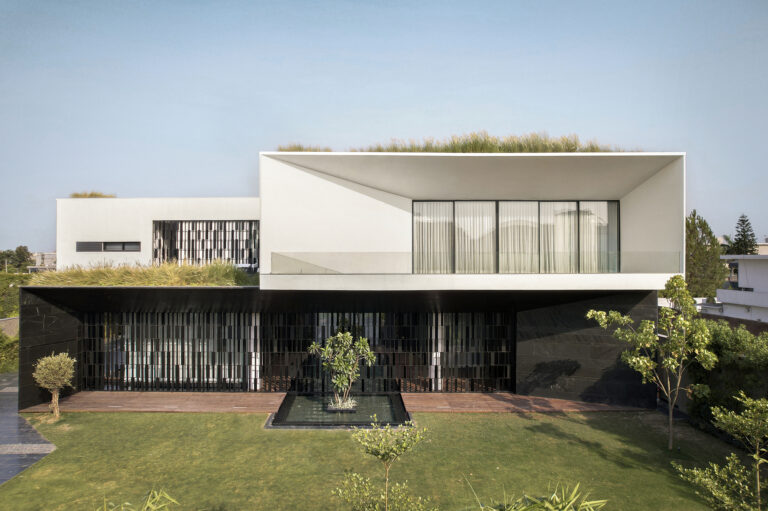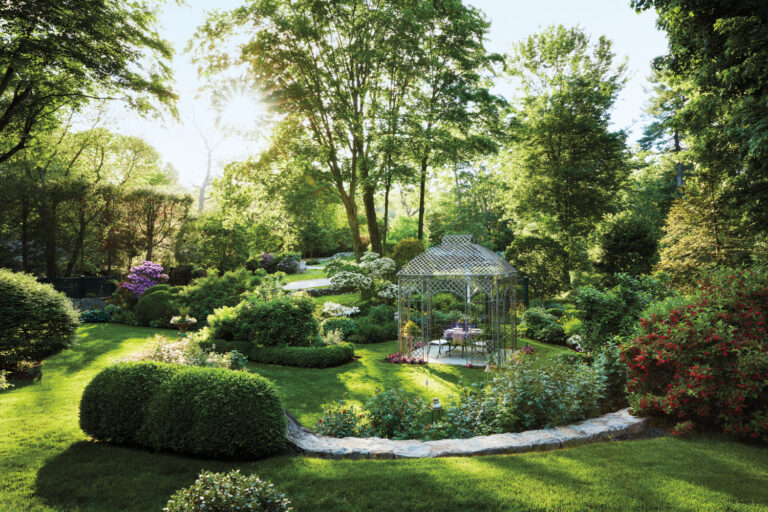
Glass House Exterior Design Ideas That Bring Nature Into Your Home
Many of us dream of living closer to nature. We spend most of our time inside, away from the outdoors. Yet, we still feel the sun’s movement and the sound of rain through glass.
Philip Johnson’s Glass House in Connecticut, finished in 1949, was a game-changer. It showed that living with nature was possible without losing comfort or privacy. This idea has inspired many to rethink their homes.
Glass house designs let you blend your home with the outdoors. You can have a home that feels open yet still safe and private. The trick is using glass, materials, and space wisely.

This guide will show you how to bring this design into your home. You’ll learn how glass house design can change your daily life. Your home can become a place where inside and outside feel like one.
Key Takeaways
- Glass house exterior design creates a seamless connection between your indoor living space and the natural landscape
- The Glass House in New Canaan set the foundation for modern transparent architecture in residential homes
- Strategic use of glass and open concepts allows you to enjoy natural light and scenic views from every room
- Sustainable materials can be combined with glass elements to create an eco-friendly transparent home
- Proper design planning helps you balance openness with privacy and climate control needs
- Framing views and blending indoor-outdoor living areas are essential elements of successful glass house design
Understanding the Appeal of Modern Glass House Architecture
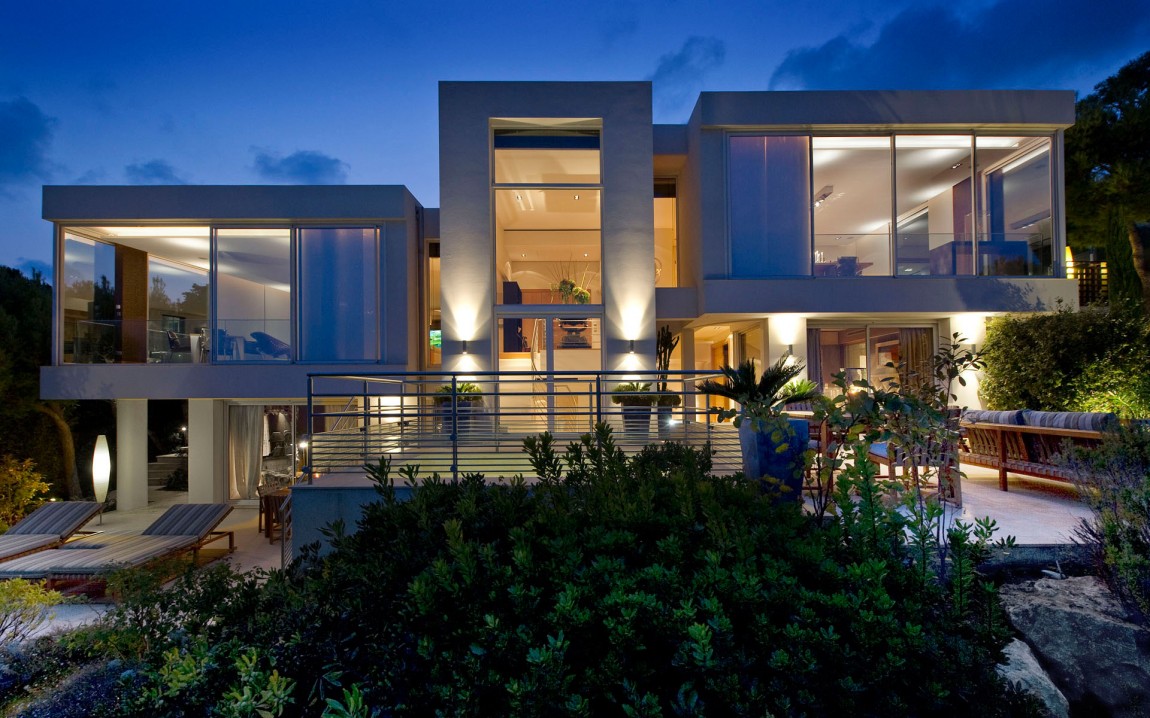
Modern glass house architecture changes how you see your home and the outdoors. It removes barriers, making your home feel bigger and more connected to nature. This design lets you see everything around you.
The style started with the Bauhaus movement in the 1920s. Designers then believed that form should follow function. They used transparency to make honest, efficient spaces. Today, this style keeps the focus on clean lines, open views, and simple designs.

Defining the Aesthetic of Transparency
Transparency in home design is more than just big windows. It’s a way to remove visual barriers. Your walls become windows to the outdoors. Natural light fills your home, making it bright and welcoming.
This style values simplicity and honesty. Glass panels remove visual clutter. You see the outdoors clearly—trees, gardens, landscapes. This design creates a calm, sophisticated home that suits a modern lifestyle.
Why You Should Choose an Open Concept Exterior
An open concept exterior makes your home feel bigger without adding space. Natural light through glass walls makes rooms seem larger. Your home feels connected to the outdoors.
Here are some benefits of this design:
- More natural light in your home
- A stronger connection to the outdoors
- Lower energy costs from using the sun’s heat
- Improved mental health from being near nature
- A modern, simple look
This design offers a sophisticated living experience. You get more space, light, and a sense of harmony with nature. It’s a move towards more intentional, nature-focused homes.
Essential Elements of Glass House Exterior Design
Creating a stunning glass house exterior design requires understanding key components. Your home needs strong support, quality materials, and smart planning. These elements ensure your home stays safe, comfortable, and beautiful for years.

The foundation of a glass house is its strong structural support. Steel frames and timber beams handle the weight of large glass panels well. These materials keep your walls straight and secure.
Your home’s frame must withstand wind pressure, temperature changes, and the glass’s weight.
High-Performance Glazing Systems
Modern glass house designs rely on smart glazing choices. Low-E coatings reduce energy loss by 30% to 50% while keeping views clear. This coating reflects heat back into your home in winter and keeps it out in summer. Triple-glazed windows offer even better insulation than double-glazed ones.
- Low-E coatings cut energy waste
- Triple-glazed panels improve insulation
- Tempered glass increases safety
- UV-protective coatings protect furniture
Structural Framework Options
| Material Type | Strength Level | Durability | Best Use |
|---|---|---|---|
| Steel Frames | Very High | 20+ Years | Large spans and heavy loads |
| Timber Framing | High | 25+ Years | Natural aesthetic appeal |
| Aluminum Frames | Medium-High | 15-20 Years | Lightweight installations |
Your choice of framing material affects both looks and performance. Steel offers maximum strength for expansive walls. Timber brings warmth and natural beauty. Aluminum provides a lighter alternative that still maintains structural integrity.
Weatherproofing and Sealing
Keeping water out is crucial for your glass house exterior design. High-quality sealants and gaskets prevent leaks around every glass panel. Weather stripping at joints stops drafts from entering your home. Annual inspections catch problems before they become expensive repairs.
- Install weather-resistant gaskets on all seams
- Use silicone sealants rated for outdoor use
- Check seals every spring and fall
- Replace worn materials immediately
Understanding these essential elements helps you create a glass house that looks great and performs well. Your investment in quality materials and proper installation pays off through better energy efficiency and lasting beauty.
Integrating Natural Landscapes with Transparent Walls
Your home becomes a living gallery when you use glass to frame the natural world around you. Modern glass house architecture blurs the lines between inside and outside. The landscape changes with the seasons, weather, and day, making your property’s natural features a constant backdrop.
Transparent walls capture views from all angles. You can place glass panels to highlight gardens, forests, or waterfronts. This creates a 360-degree connection with nature, enhancing both looks and well-being.
Framing Scenic Views from Your Living Space
The right window placement is key to enjoying your surroundings. Here are some tips for maximizing views:
- Position large glass panels to face your best landscape features
- Use corner windows to capture multiple viewpoints simultaneously
- Install floor-to-ceiling glass to extend visual depth
- Place furniture to face outward and engage with the scenery
- Avoid placing obstacles between interior spaces and exterior views
Blending Indoor and Outdoor Living Areas
Seamless transitions between inside and outside enhance your home’s flow. Flush thresholds and matching flooring materials inside and outside create a smooth transition. This visual continuity makes your home feel more open and connected.
| Design Element | Indoor Application | Outdoor Application | Benefits |
|---|---|---|---|
| Flooring Materials | Polished concrete or natural stone | Same concrete or stone continued outside | Visual unity and smooth transitions |
| Threshold Height | Level surface meeting door frame | Flush alignment with interior floor | Easy wheelchair access and movement |
| Ceiling Design | Extended roof overhang inside | Covered patio or deck area | Protected transition zones |
| Furniture Placement | Oriented toward glass walls | Positioned to face interior views | Creates unified social spaces |
Your exterior environment should match your interior design. Choose plants, pathways, and outdoor furnishings that reflect your home’s materials and colors. This coordination strengthens the connection between spaces, creating a cohesive living experience. The landscape becomes an extension of your personal style, not just an outdoor area.
Selecting Sustainable Materials for Your Transparent Home
Building a home with lots of glass needs careful thought about the environment. The materials you choose affect your home’s comfort and energy use. When designing a modern glass house, think about sustainability first.
Keeping your home warm or cool is key. Bad insulation means higher bills and more carbon emissions. Choosing the right materials helps you enjoy a bright, eco-friendly space.
Choose glass and frames that meet LEED standards. These strict rules help your home save energy and reduce waste.
Key Material Choices for Your Glass Home
- Low-emissivity (Low-E) glass reduces heat transfer while allowing natural light to enter
- Recycled aluminum frames offer strength and environmental benefits
- Reclaimed wood trim adds warmth and reduces demand for new timber
- Insulated glass units with argon gas improve thermal resistance
- Sustainably sourced wood alternatives for structural elements
Don’t forget about your framing materials. Recycled aluminum is better for the planet than new aluminum. Reclaimed wood adds charm and supports your green goals. These choices make your modern glass house strong and cozy all year.
By picking the right materials, you create a home that’s good for your wallet and the earth.
Conclusion
Glass house exterior design is a unique way to mix your living space with nature. It makes homes feel open and bright. Your living areas become part of the outdoor world.
Natural light pours in through the clear walls all day. This guide shows how to increase natural light by over 40 percent. You can do this without losing energy efficiency.
Using sustainable materials keeps your home cozy all year. Smart design choices also protect your home from extreme weather. Your energy bills stay low while you enjoy the glass walls’ benefits.
You now know how to make smart choices for your transparent home. These choices will shape your living experience for years. A glass house exterior design creates a nature-connected sanctuary.
Your new home will be beautiful and good for the environment.