Mountain House Exterior Design Ideas for a Cozy Natural Look
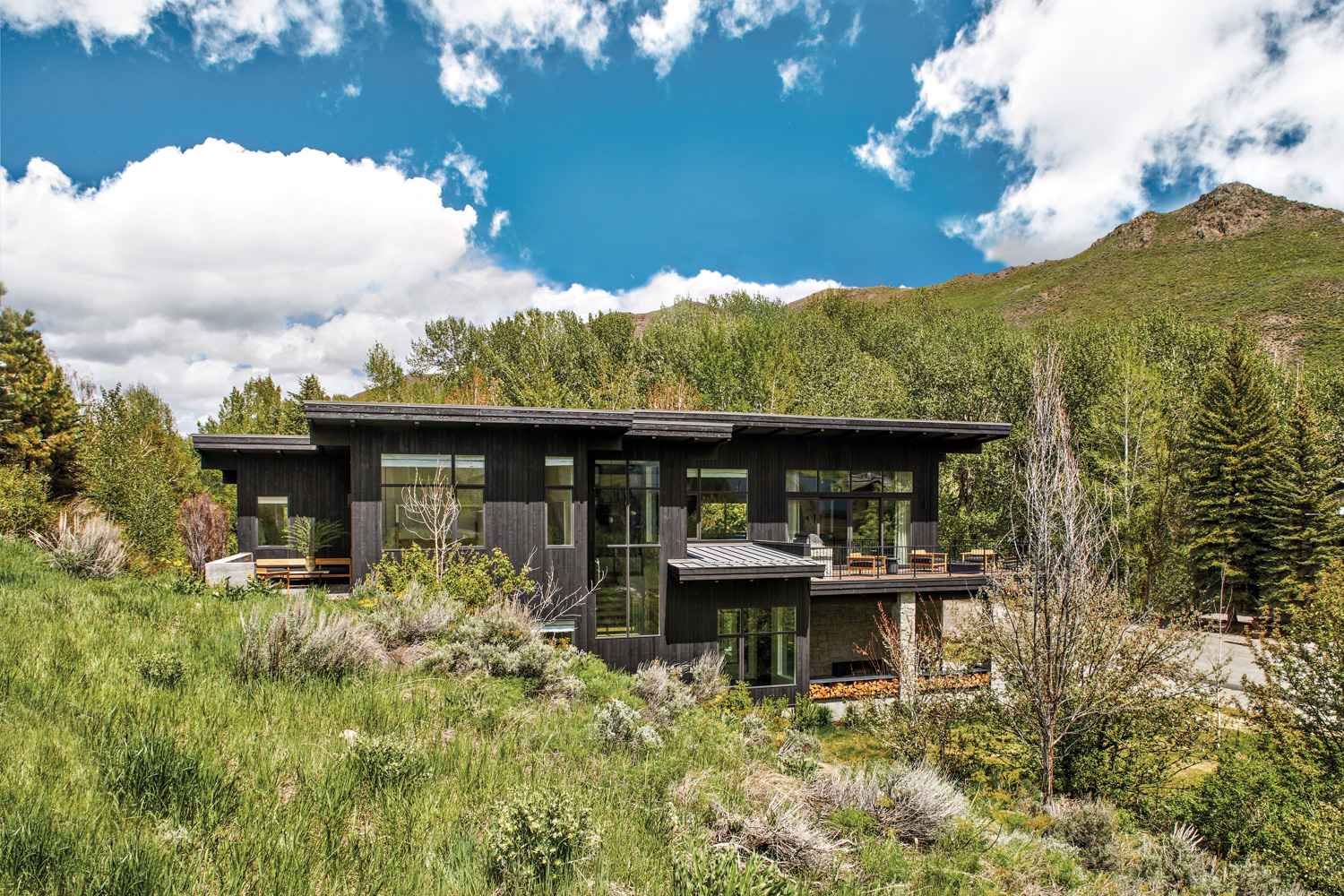
Living in a mountain home is incredibly fulfilling. You wake up to fresh air, tall trees, and breathtaking views. But making your mountain home look like a true retreat requires careful planning and design.
Your mountain home faces unique challenges. Harsh weather like heavy snow, strong winds, and rain can be tough. Yet, you want your home to feel cozy and welcoming.
The solution is to find a balance. Your home must withstand the mountain’s harsh conditions. At the same time, it should feel inviting and match the natural beauty around it.
A rustic mountain house exterior is the perfect blend. By choosing the right materials, adding natural touches, and picking colors that match the forest and stone, you can create a home that’s both strong and warm.
This guide will take you through every step. You’ll learn which materials are best for high-altitude homes. You’ll see how landscaping can enhance your property’s beauty. And you’ll find color schemes that make your home feel right at home.

Key Takeaways
- Balance durability with warmth when designing your mountain house exterior
- Select materials that can withstand harsh mountain weather patterns
- Use natural stone and timber to create visual interest and authenticity
- Incorporate native plants and natural landscaping features
- Choose earth-tone colors that complement the surrounding landscape
- Plan hardscape elements like stone pathways for better curb appeal
Selecting Materials for Your Mountain House Exterior
The materials you pick for your mountain house exterior are key. They must stand up to harsh weather. Snow, freezing temps, and moisture are big challenges. You need materials that protect and also look inviting.
Choosing the right foundation materials is crucial. They should resist damage from weather changes. Your choice affects your home’s life span and looks.

Natural Stone and Timber Accents
Natural stone adds timeless beauty to your mountain home. It helps keep your home cool in summer and warm in winter. Timber accents add a classic touch.
These materials offer more than looks:
- Stone keeps your home insulated and stable
- Timber adds warmth and natural charm
- Both materials look better with age
- They resist moisture damage if sealed right
- They boost your home’s value
Weather Resistant Siding Options
Your siding choice is key to protecting your home from the elements. Fiber cement siding is great for mountain weather. Cedar shingles are durable and beautiful.
| Siding Material | Weather Resistance | Maintenance Level | Cost Range |
|---|---|---|---|
| Fiber Cement | Excellent in high moisture areas | Low maintenance required | Mid to high |
| Cedar Shingles | Good with proper sealing | Regular maintenance needed | High |
| Composite Materials | Very high moisture protection | Minimal maintenance | Mid to high |
Fiber cement and cedar shingles handle temperature changes well. They protect your home from moisture. Your siding choice will last long and keep your home looking great.
Incorporating Rustic Design Elements
To make your mountain house exterior look authentic, mix architectural details that show off craftsmanship and natural beauty. Your rustic mountain house should have design elements that tell a story of strength and connection to nature. These elements turn a simple house into a sophisticated alpine retreat that feels timeless and thoughtful.
Choosing architectural features that stand out is key. Heavy timber trusses, big wooden doors, and iron hardware make great focal points. These materials get character over time, especially when they face mountain weather. Your mountain house exterior gets depth and personality from these design choices.
Essential Rustic Architectural Features
Your home needs certain design elements to capture that mountain feel. Here are some important features:
- Exposed heavy timber trusses that show off natural wood grain
- Reclaimed wood doors with big iron hardware and hinges
- Stone chimney structures that go from foundation to roofline
- Wooden beam overhangs and covered porches
- Iron railings with natural patina finishes
Material Aging and Character Development
Rustic design looks better with time. Iron hardware gets a warm brown tone as it oxidizes. Reclaimed wood gets texture and depth that new wood can’t match. These natural changes add realness to your design.
| Material Element | Natural Aging Effect | Timeline | Maintenance |
|---|---|---|---|
| Iron Hardware | Rich patina development | 6-12 months | Minimal, allow natural oxidation |
| Reclaimed Wood | Surface weathering and grain exposure | Ongoing | Occasional sealing for protection |
| Stone Features | Moss and lichen growth | 12-24 months | Minimal, preserve natural growth |
| Wood Trusses | Darkening and character marks | 2-3 years | Protective stain application |
As these materials age naturally, your rustic mountain house exterior becomes more unique. This aging process gives your home a distinguished look that makes it stand out from regular cabin designs.
Enhancing Curb Appeal with Natural Landscaping
Your mountain house exterior needs a landscape that blends with nature. Choose plants and features that match your home’s setting. A well-designed landscape cuts down on upkeep and adds beauty to your property.
By mixing native plants with stone paths and structures, you create a unified outdoor space. It feels like part of the mountain itself.

Native Plant Selection for Mountain Climates
Native plants are the best choice for your mountain landscape. They thrive in your area’s weather, soil, and seasons. Native plants need less water, food, and pest control than others.
This means your yard looks great with little work from you.
Here are some native plants for mountain areas:
- Mountain laurel for colorful spring blooms
- Serviceberry trees for year-round beauty
- Native grasses for texture and movement
- Wildflowers for your USDA zone
- Evergreen shrubs for winter interest
Hardscape Features and Stone Pathways
Hardscape elements tie your rustic mountain house to the landscape. Stone paths, boulder walls, and gravel areas add structure and flow. Flagstone or slate paths mirror the natural rocks nearby.
Good hardscape choices include:
- Winding stone paths for visitors
- Retaining walls from local stone
- Rock gardens for low upkeep
- Gravel or mulch beds around plants
- Stone seating with views
These features blend your home with the forest, boosting your property’s natural charm.
Choosing the Right Color Palette for Your Home
Your mountain house exterior needs colors that work with nature, not against it. Choosing the right hues is crucial for a home that feels welcoming and connected. The colors you pick will bring all your design choices together in a beautiful way.
Earth tones are perfect for a mountain home. They blend well with the landscape, making your house feel like part of it. Think about how your home will look in different seasons, from green summers to snowy winters.
- Deep forest greens that echo the pine trees surrounding your property
- Slate grays that complement rocky mountain terrain
- Warm browns and taupes that create earthy, welcoming vibes
- Cream and soft whites for trim that creates subtle contrast
- Charcoal blacks for accent details and shadows
Coordinating your trim, siding, and stone colors makes your home look polished. Your siding might be a warm gray, while your trim is cream. Stone elements in deeper browns or grays add depth to your design.
Think about how light changes at your location. Colors look different under mountain sunlight than in paint samples. Get samples from places like Benjamin Moore or Sherwin-Williams and watch them on your home for days.
A good color strategy brings everything together. Your palette will connect your natural stone, timber, and landscaping into a timeless look. It feels rooted in the mountain landscape.
Conclusion
Building a rustic mountain house exterior requires careful planning and thoughtful choices. You now have the tools to create a home that blends beauty with lasting strength. Start by picking quality materials like natural stone and timber. These elements work well in mountain climates and give your home real character.
Your landscaping choices shape how your home looks and feels. Native plants thrive in mountain areas without needing extra care. Stone pathways and hardscape features add texture and guide visitors through your property. These natural touches bring the mountain landscape right to your doorstep.
Designing a mountain home is a rewarding project that values durability and coziness in equal measure. The ideas in this guide help you build or refresh a retreat that feels like home. Your mountain sanctuary can serve your family well for many years to come. Take time to enjoy the process, and your new exterior will reflect both your style and your love for mountain living.