Low Maintenance Garden Ideas for a Beautiful Yard Without the Hard Work
Imagine stepping into your backyard and seeing beauty without stress. Many dream of a stunning outdoor space but fear the hard work. The good news is you can have both beauty and free time.
Creating a low maintenance garden starts with smart planning. Focus on the right approach for a gorgeous landscape all year. The American Horticultural Society says choosing plants for your USDA hardiness zone is key. This ensures your plants thrive in your local climate.
Understanding which plants work best for your space is crucial. You’ll learn to cut down on weeding, pruning, and daily care. With the right ideas, your yard can be a peaceful retreat that doesn’t need constant attention.
This guide will show you how to achieve a stress-free garden. You’ll find practical strategies that save time and energy. Your outdoor space can be both beautiful and easy to maintain.

Key Takeaways
- Choosing the right plants for your USDA hardiness zone ensures long-term success
- Low maintenance garden ideas reduce weekly gardening time and effort
- Native species require less water and care than exotic plants
- Mulch suppresses weeds and reduces watering needs
- Strategic plant grouping cuts down on maintenance tasks
- Hardscape features add beauty while lowering upkeep demands
- Automated irrigation systems make watering effortless
Benefits of a Simplified Outdoor Space
A low maintenance garden changes how you see your yard. You no longer spend weekends on yard work. Instead, you enjoy a beautiful space.
Having a simple garden saves money. You use less water and spend less on lawn care. This means lower bills and less money spent on plants and services.
The National Gardening Association says efficient gardens make homeowners happier. This is great for those who are busy but want a peaceful yard.
Here are the main benefits of a simple garden:
- Get more free time to enjoy your yard
- Save on water and utility bills
- Lower costs for garden care and supplies
- Need less physical effort for upkeep
- Improve your overall happiness
- Have a more organized and beautiful outdoor area
| Garden Type | Monthly Water Cost | Maintenance Hours per Week | Annual Care Expenses |
|---|---|---|---|
| Complex Traditional Garden | $80-$120 | 8-10 hours | $1,500-$2,000 |
| Low Maintenance Garden | $20-$40 | 1-2 hours | $300-$500 |
A simple yard design lets you live in your space. You don’t have to work all the time to keep it up. Grass alternatives, native plants, and hardscape elements create a beautiful yard with less effort.
Essential Low Maintenance Garden Ideas for Your Yard
Creating a beautiful outdoor space doesn’t need hours of weekly upkeep. You can make your yard look great by choosing the right plants and lawn design. Pick solutions that work with nature, not against it. This saves time, money, and energy all year.

Building a sustainable yard starts with knowing what grows naturally in your area. Plants that thrive in your local climate need less water, fertilizer, and pest control. This smart plant selection is key to low maintenance gardening for any homeowner.
Focusing on Native Species
Native plants are made for your local soil, temperature, and rainfall. They’ve evolved over thousands of years to thrive in your area. Choosing native plants means less watering, no extra fertilizers, and less pruning.
Native plants also help local wildlife. Birds, butterflies, and insects find food and shelter in these plants. Your yard becomes part of a healthy ecosystem, not just a lawn.
- Native plants need 30-50% less water than other plants
- They rarely need chemical pesticides or herbicides
- Most native species need little fertilization
- These plants grow strong roots for stability
Reducing Lawn Coverage
Traditional grass lawns take a lot of work. Mowing, watering, fertilizing, and weed control use up your weekends and resources. By using ground covers and hardscape, you cut down on maintenance a lot.
Replacing 500 square feet of lawn with native perennials can save 10,000 gallons of water a year in dry areas. Ground covers like sedge and creeping thyme are attractive and low care.
| Lawn Alternative | Water Needed (Annual) | Mowing Required | Maintenance Level |
|---|---|---|---|
| Native Perennials | Low (seasonal) | None | Minimal |
| Ground Covers | Low-Moderate | None | Low |
| Gravel Paths | None | None | Minimal (raking) |
| Traditional Grass | High (weekly) | Weekly | High |
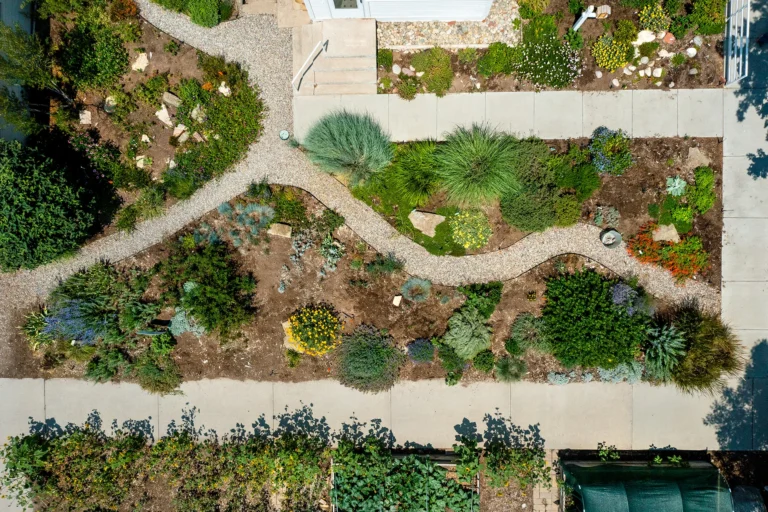
Ground covers spread and stop weeds naturally. Gravel paths add interest and no mowing is needed. Mulched beds keep weeds down without constant work. These changes make your yard look great with less effort from you.
Selecting the Best Low Care Plants
Choosing the right plants is key to a low-maintenance garden. Look for species that need little care and fit your local climate. This way, you avoid constant watering, pruning, and chemical use.
Start with plants known for their toughness. Sedums, ornamental grasses, and lavender are great. They handle heat, cold, and dry spells well. These plants look good all year, even when neglected.
When at the nursery, ask for drought-tolerant or disease-resistant plants. Nurseries often sort plants by how much care they need. This makes it easy to find low care plants for your yard.
Here are some smart plant choices for your garden:
- Ornamental grasses that need pruning just once yearly
- Succulents that store water in their leaves
- Native shrubs adapted to your region’s weather
- Perennials that return stronger each spring
- Ground covers that spread and reduce weeding
Plants that resist pests and diseases save you a lot of work. By picking tough, reliable plants, you create a landscape that’s healthy and easy to care for.
Implementing Easy Garden Landscaping Techniques
Turning your yard into a low-maintenance space is easier than you think. Smart strategies can reduce weeding, edging, and upkeep. Easy garden landscaping focuses on systems that work for you, not against you.
By using natural solutions and permanent structures, you can have a beautiful outdoor space. You won’t spend weekends pulling weeds or trimming edges.

Using Mulch to Suppress Weeds
Mulch is a powerful tool for garden maintenance. A 3-inch layer of organic mulch blocks sunlight from weed seeds. This simple step reduces weeds and keeps soil moisture in for your plants.
Organic mulch also enriches your soil as it breaks down. Wood chips, shredded bark, and compost are good choices. Apply it around plants and beds, but keep it a few inches from stems to prevent rot.
- Reduces weed growth by up to 80 percent
- Retains soil moisture and reduces watering needs
- Breaks down to improve soil quality
- Creates a finished, polished look
Installing Hardscape Features
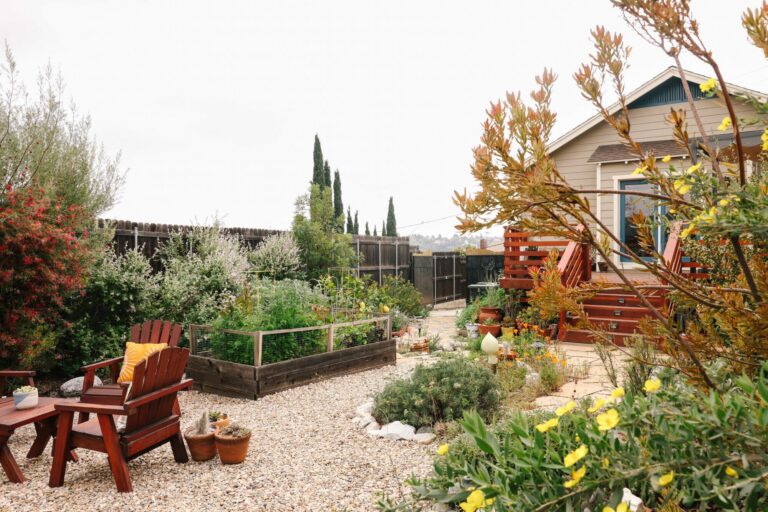
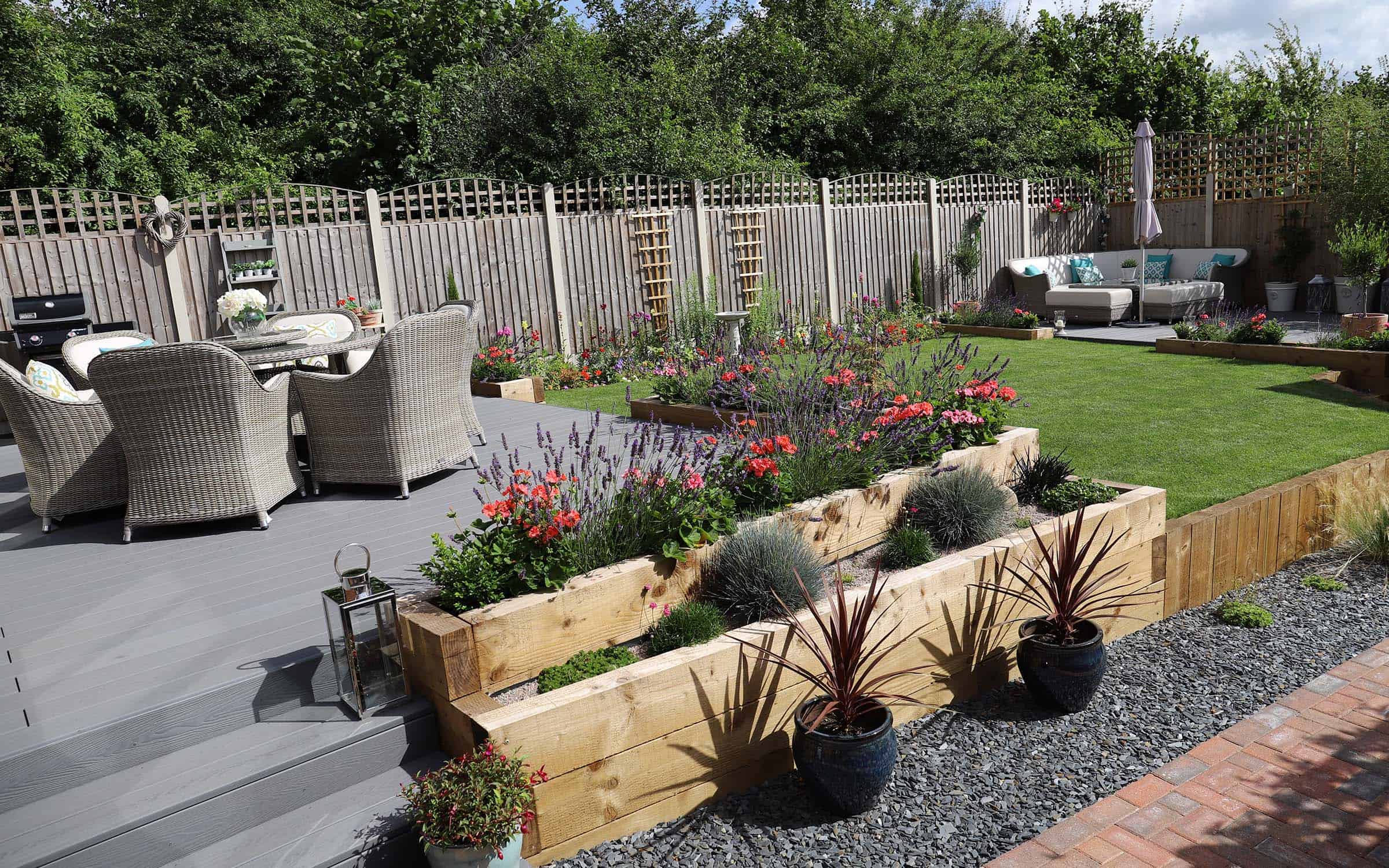
Hardscape elements like stone patios and gravel pathways offer permanent solutions. They eliminate the need for constant trimming and weeding. Stone and gravel need little maintenance but provide clean, defined lines in your yard.
Installing hardscape features reduces lawn area to maintain. You can do small projects yourself or hire professionals for bigger ones.
| Hardscape Material | Maintenance Level | Durability | Cost Range |
|---|---|---|---|
| Gravel Pathways | Low (occasional raking) | 3-5 years before replacement | Budget-friendly |
| Stone Patios | Very Low (sweep and rinse) | 20+ years | Moderate to high |
| Concrete Borders | Very Low (occasional cleaning) | 25+ years | Moderate |
| Decorative Rock Beds | Low (occasional leveling) | 5-10 years | Budget-friendly |
Mulch and hardscape features together create a yard that practically maintains itself. You’ll spend less time on chores and more time enjoying your outdoor space with loved ones.
Designing for Longevity and Minimal Effort
Creating a landscape that lasts for years needs careful planning. Your garden should have plants and features that get better with time, not need constant care. This way, you save time and effort while enjoying a beautiful outdoor space.
Choosing slow-growing shrubs and trees is key. They grow steadily, so you won’t need to prune them often. Fast-growing plants, on the other hand, need regular trimming to look good.
It’s important to space plants correctly when planting. They need room to grow without fighting for water and nutrients. If plants are too close, they’ll struggle and need more care. Plant them based on their mature size, not their current size.
Thinking about the future is part of low maintenance gardening. Pick plants native to your area that do well in your yard’s conditions. These plants naturally adapt to local weather and soil, cutting down on watering and feeding.
| Plant Type | Growth Rate | Maintenance Level | Best For |
|---|---|---|---|
| Slow-Growing Shrubs | Less than 12 inches yearly | Low | Permanent structures |
| Ornamental Grasses | Moderate | Low | Texture and movement |
| Native Trees | Varies by species | Low | Shade and habitat |
| Ground Covers | Moderate to fast | Low | Weed suppression |
Here are some tips for a garden that lasts:
- Choose plants with mature heights that match your design
- Plan enough space between shrubs and trees
- Pick species that fit your climate zone
- Group plants with similar needs for water and sunlight
- Add hardscape elements that don’t need upkeep
Your garden’s future depends on today’s choices. Plan for the long term by picking plants and design elements that last without constant care.
Simple Garden Design Principles for Busy Homeowners
Creating a simple garden design saves you time and energy all year. Organizing your outdoor space makes weekly maintenance easier and faster. The key is to plan smartly, reducing confusion and wasted effort.
A simple garden design focuses on how plants work together. You want everything to flow naturally, making yard care manageable. This section covers two methods busy homeowners use to keep their yards looking great without spending hours on upkeep.
Creating Defined Bed Borders
Clear bed borders are crucial in easy garden landscaping. Metal or stone edging defines your flower beds, stopping grass from creeping in. This is a big problem for homeowners.
Benefits of using bed borders include:
- Stops grass from invading flower beds
- Creates clean, organized appearance
- Reduces time spent pulling weeds and grass
- Protects roots of low care plants
- Makes mowing easier and faster
Grouping Plants by Water Needs
Hydrozoning means placing plants together based on their water needs. This prevents overwatering drought-tolerant species and struggling to hydrate thirsty ones. Grouping plants with similar water needs makes irrigation more efficient.
| Plant Water Group | Water Frequency | Example Plants | Best Location |
|---|---|---|---|
| High Water Needs | Daily to Every 2 Days | Hostas, Ferns, Hydrangeas | Shaded, Moist Areas |
| Moderate Water Needs | Every 3-4 Days | Coneflowers, Black-eyed Susans | Partial Sun Areas |
| Low Water Needs | Weekly or Less | Sedums, Lavender, Ornamental Grasses | Full Sun, Dry Areas |
Using these simple garden design principles and choosing low care plants creates a yard that practically takes care of itself. You spend less time adjusting sprinklers and watering systems. Your plants stay healthier because they get exactly what they need.
Automating Your Irrigation and Maintenance Tasks
Watering your garden doesn’t have to take up all your time. Smart irrigation systems make watering easy and keep your plants healthy all year. They work on your schedule, not the other way around. This means you can enjoy your garden more, without spending hours on upkeep.
Modern smart controllers adjust watering based on the weather. Rain sensors stop watering when it rains, saving water. Some systems can cut water use by up to 30 percent, saving money and helping the planet.
Drip irrigation delivers water right to the roots. It’s better than sprinklers because less water evaporates. This method also stops weeds and diseases, keeping your plants healthy.
Automated systems give you peace of mind when you’re away. Your garden stays watered, whether you’re home or not. Use timers, set up drip lines, and connect to your smartphone. You can adjust watering from anywhere with internet.
- Smart controllers learn your yard’s specific needs
- Weather-based scheduling prevents overwatering
- Drip irrigation saves water and targets plant roots
- Mobile apps let you control systems remotely
- Soil moisture sensors prevent waste
Automated irrigation works well with low-maintenance gardening. Plants get consistent moisture, growing stronger and needing less care. It’s easier to group plants by their water needs when automation does the work.
Conclusion
Creating a beautiful outdoor space doesn’t need endless hours of work. Low maintenance garden ideas can make your yard look stunning with little effort. This guide offers real tools to turn your property into a relaxing haven.
Success begins with smart choices. Native plants need less water and food. Hardscape features like patios and pathways are easy to maintain. Automated irrigation systems water your garden for you. These steps create a landscape that almost takes care of itself.
Low maintenance garden ideas let you enjoy your outdoor space without the hassle. You won’t spend weekends on yard work anymore. Your yard becomes a place of peace, not stress. Start planning your low maintenance garden today and enjoy a beautiful outdoor space with minimal effort.