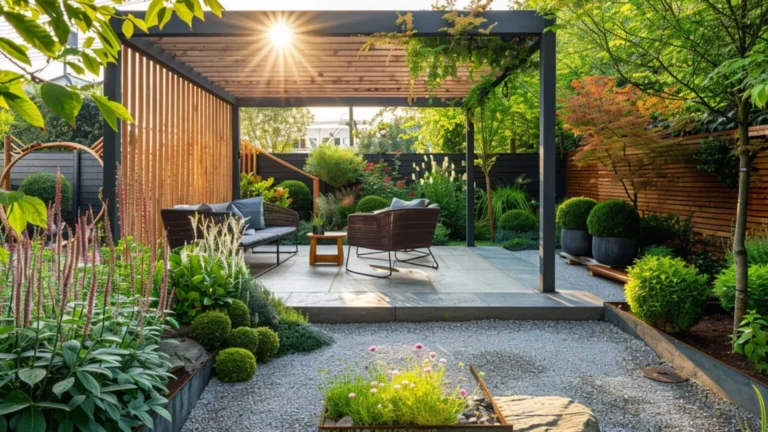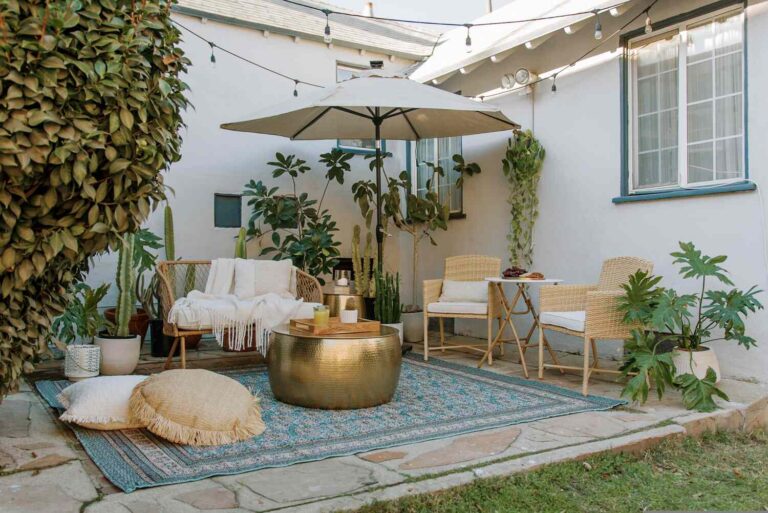
Eco Friendly Garden Design: Smart Ideas to Create a Beautiful Sustainable Backyard
Stepping into your backyard can be very rewarding. It’s especially true when you know it supports life. Traditional lawns often feel empty and need a lot of care to stay green. Many people in the United States are looking for a better way.
There’s a different path that combines beauty, peace, and purpose. It’s called eco friendly garden design. This approach turns your backyard into a thriving ecosystem. It doesn’t mean giving up on beauty or spending more money. Instead, it means working with nature.
More and more people are seeing their homes as part of the solution. Your garden can help reduce your carbon footprint. It can also support pollinators and local wildlife. Plus, it can save you money on water and maintenance.
Modern homeowners are finding that caring for the environment and feeling satisfied go together. The journey to a sustainable backyard begins with understanding key principles.

Key Takeaways
- Eco friendly garden design reduces your carbon footprint while enhancing your backyard’s appearance
- Native plants require less water, fertilizer, and maintenance than traditional landscaping
- Sustainable practices support local biodiversity and create habitats for beneficial insects and birds
- Water conservation techniques can significantly lower your utility bills
- Organic soil practices build long-term garden health without chemical inputs
- Recycled and permeable materials offer eco-conscious hardscaping solutions
- Sustainable backyards balance aesthetic appeal with environmental responsibility
Principles of Eco Friendly Garden Design
Starting an eco-friendly backyard means understanding key principles. Your garden can be a space that protects the environment and is beautiful. It’s all about making smart choices in planning, building, and caring for your outdoor area.
The Environmental Protection Agency says residential outdoor water use is huge. It’s nearly 9 billion gallons a day in the U.S. This shows how important your garden choices are for the planet.
Understanding Low Impact Garden Design
Low impact garden design works with your natural landscape. It respects the terrain, soil, and plants already in your yard.
Your garden benefits from these practices:
- Keeping existing trees and shrubs whenever possible
- Using natural slope and drainage patterns
- Avoiding excessive digging and soil disruption
- Planting species that thrive in your climate zone
- Reducing chemical inputs and artificial materials
Benefits of Green Landscaping
Green landscaping is good for your property and the environment. It reduces harmful chemical runoff and makes soil healthier.
Your yard benefits in many ways:
| Benefit | Impact |
|---|---|
| Reduced Chemical Runoff | Protects local water sources and aquatic life |
| Healthier Soil | Increases nutrient content and water retention |
| Lower Maintenance Costs | Decreases need for fertilizers and pesticides |
| Greater Biodiversity | Supports pollinators, birds, and beneficial insects |
| Energy Savings | Reduces cooling costs through strategic plant placement |
A sustainable garden design works with nature. Your investment in these principles will pay off over time. Your garden will be healthier, and you’ll be caring for the environment.
Selecting Native Plants for Your Landscape
Choosing the right plants is key to a successful eco landscape design. Native plants fit your local climate, soil, and rainfall perfectly. They grow well without extra care like watering, fertilizers, or chemicals.
Your backyard becomes healthier and more sustainable with native plants. These plants support local bees, butterflies, and other pollinators. Your garden becomes a thriving environment that stays strong through different seasons and weather changes.

Starting with native plants is easy. Use local extension offices and native plant societies to find the right species. Visit nurseries that specialize in regional plants. They can help you choose the best plants for your yard.
Benefits of Growing Native Species
- Reduces watering needs by up to 50 percent
- Eliminates the need for synthetic pesticides
- Attracts pollinating insects like bees and butterflies
- Requires less maintenance throughout the year
- Improves soil quality naturally
- Provides food and shelter for local wildlife
Native Plants by Region
| Region | Native Plant Examples | Best Season to Plant |
|---|---|---|
| Northeast | Black-eyed Susan, Coneflower, Milkweed | Spring or Fall |
| Southeast | Blazing Star, Asters, Purple Coneflower | Fall or Early Spring |
| Midwest | Prairie Blazing Star, Wild Bergamot, Nodding Onion | Spring or Fall |
| Southwest | Desert Marigold, Penstemon, Blanket Flower | Fall or Winter |
| West Coast | California Poppy, Sage, Manzanita | Fall or Winter |
Begin with a few native plants and grow your garden over time. Group plants by their water needs for easier care. This approach builds your confidence and creates beautiful spaces that work with nature.
Water Conservation Strategies for Sustainable Backyards
Water management is key to sustainable backyards. It helps protect our environment and keeps gardens healthy. By using water wisely, you save money and reduce waste.
The average American household uses 300 gallons of water daily. Outdoor watering makes up nearly 30 percent of this. With smart water practices, your garden can thrive even in dry times.
Implementing Efficient Irrigation Systems
Drip irrigation sends water directly to roots, saving up to 50 percent of water compared to sprinklers. It waters slowly and deeply, letting soil absorb moisture fully.
Setting up drip systems is quick and easy. You’ll need:
- Main water line or hose
- Drip tubing and emitters
- Timer for automatic watering
- Filters to keep lines clear
Soaker hoses are another affordable choice. Just lay them out, cover with mulch, and connect to your faucet.
Harvesting Rainwater for Your Garden
Catching rainwater is a great way to save water for dry times. Rain barrels collect roof runoff and can hold 50 to 100 gallons or more. Larger systems store hundreds of gallons underground or above ground.
To start rainwater harvesting:
- Position barrels under downspouts
- Add screens to filter debris
- Install spigots for easy watering
- Use collected water during hot, dry months
Many places offer rebates for installing rain barrels. Check with your local water authority for details.
These methods together make gardens that need less water. You’ll see lower bills and healthier plants that handle drought better.
Enhancing Soil Health Through Organic Practices
Your garden’s success starts beneath the surface. Healthy soil feeds your plants, holds water, and supports beneficial organisms. Building rich, fertile soil without synthetic chemicals is key to sustainable gardening. Organic practices turn your garden beds into thriving ecosystems that work for you.
The Power of Composting
Composting kitchen scraps and yard waste makes nutrient-rich material for your garden. This process breaks down organic matter into dark, crumbly compost. Adding compost to your beds gives your plants natural nutrients.
Start a compost pile with these materials:
- Vegetable and fruit scraps
- Grass clippings
- Fallen leaves
- Plant trimmings
- Coffee grounds and tea bags

Beneficial Microorganisms and Plant Health
Organic matter feeds the tiny creatures in your soil. Bacteria, fungi, and earthworms break down nutrients for your plants. This diverse community acts as nature’s defense system, naturally suppressing diseases.
When your soil ecosystem is balanced, your flowers and vegetables grow strong and healthy. They don’t need chemical pesticides or fertilizers.
| Organic Practice | Soil Benefit | Plant Impact |
|---|---|---|
| Adding Compost | Improves soil structure and nutrient content | Stronger growth and higher yields |
| Mulching | Retains moisture and regulates temperature | Reduced watering needs and stress |
| Cover Cropping | Adds nitrogen and prevents erosion | Better nutrient availability |
| Crop Rotation | Reduces pest buildup and balances nutrients | Healthier plants year after year |
Building organic soil is an investment that pays off season after season. Your sustainable backyard becomes more productive as soil health improves.
Choosing Sustainable Materials for Hardscaping
Hardscaping elements like paths, patios, and retaining walls shape your garden’s structure and style. These features serve important functions in your outdoor space. Your choice of materials matters for the environment and your garden’s long-term health. Sustainable hardscaping reduces waste and protects natural resources. It also creates a beautiful, lasting landscape that supports your eco-friendly goals.
Building with sustainable materials connects directly to the soil health practices discussed earlier. When you choose the right hardscaping materials, you protect the soil beneath and around your garden beds. This approach works with your organic gardening efforts to create a fully integrated sustainable landscape.
Utilizing Recycled Garden Features
Recycled materials offer excellent choices for your garden hardscaping. Reclaimed brick, salvaged stone, and reused wood create character while reducing demand for new raw materials. These materials come from old buildings, construction sites, and demolition projects.
Benefits of recycled garden features include:
- Lower environmental impact compared to new materials
- Unique, authentic appearance that new materials cannot match
- Cost savings through reclaimed material pricing
- Reduced transportation emissions from local sources
- Support for circular economy practices
Sources like reclaimed wood suppliers and architectural salvage yards offer quality recycled materials. These options work well for garden beds, pathways, and decorative walls.
Selecting Permeable Paving Options
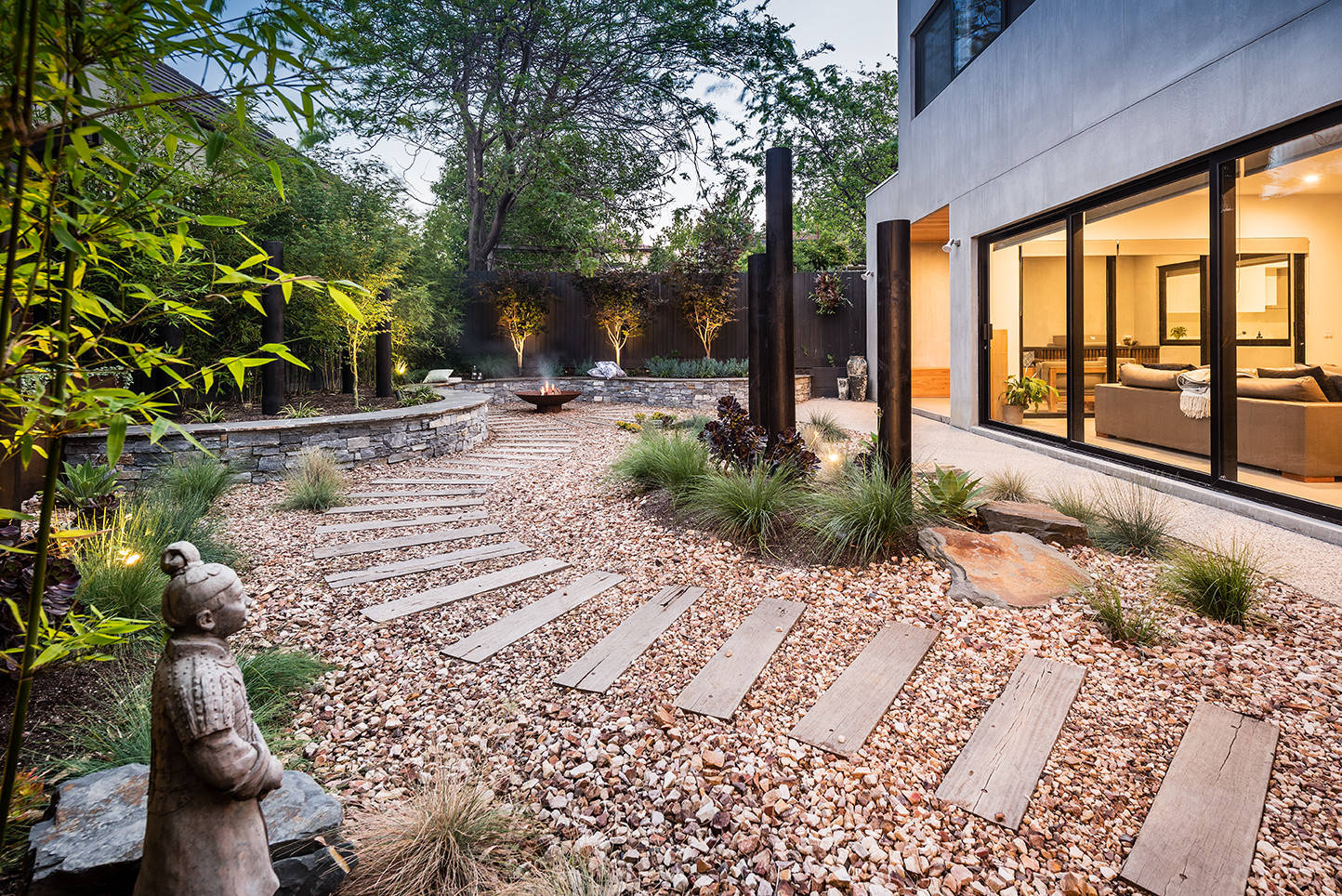
Permeable paving allows rainwater to drain through surfaces into the soil below. This prevents harmful stormwater runoff that damages ecosystems. Your garden benefits from this natural water infiltration system.
| Paving Material | Water Permeability | Best Uses | Durability |
|---|---|---|---|
| Permeable Pavers | Excellent | Patios, Walkways | 10-15 Years |
| Recycled Asphalt | Very Good | Garden Paths, Driveways | 5-8 Years |
| Gravel with Grid System | Excellent | Pathways, Parking Areas | 7-10 Years |
| Porous Concrete | Good | Patios, Large Surfaces | 20-25 Years |
| Recycled Rubber Mulch | Very Good | Play Areas, Pathways | 8-12 Years |
Permeable paving options work with your water conservation strategies from earlier sections. These materials reduce stormwater runoff while allowing captured rainwater to reach plant roots naturally. Installing permeable surfaces protects groundwater supplies and prevents flooding in your yard.
Your sustainable hardscaping choices create a functional, attractive garden that protects the environment. These materials complement native plants and organic soil practices for a truly eco-friendly outdoor space.
Conclusion
Creating a sustainable outdoor space is rewarding for you and the environment. By using eco garden ideas, you can make your backyard beautiful and low-maintenance. Your actions at home help your community and the world.
Begin with small changes today. You don’t have to change everything at once. Start by planting native plants in one area. Add a rain barrel to collect water. Replace a small lawn section with permeable pavers. Each step makes it easier and builds on the last one.
Your efforts in sustainable landscaping pay off. You’ll save on water bills. Your garden will need less care over time. Local animals will visit, and your soil will get healthier. These steps create a greener future for your home and community, one choice at a time.