Minimalist Garden Ideas That Create a Calm and Elegant Outdoor Look
Your outdoor space can change how you feel. When life gets busy, a calm garden can help. Many in the U.S. look for quiet spots to escape.
A minimalist garden is not about having lots of things. It’s about choosing what’s truly important. You’ll learn to create spaces that feel balanced and meaningful.
This guide will show you how to make a peaceful garden. You’ll find out which plants are best, how to pick materials, and design tips. Your garden can show off calm living and even boost your home’s value.

Key Takeaways
- Minimalist garden ideas prioritize intentional design choices over decorative excess
- Quality plants and natural materials create an elegant, serene outdoor environment
- Simple design principles help maintain clean lines and visual balance
- Water features and architectural plants add sophistication to your landscape
- Small spaces benefit greatly from minimalist design approaches
- Regular maintenance keeps your garden looking structured and calm
- A thoughtful outdoor space becomes a peaceful retreat from daily stress
Defining the Aesthetic of Your Outdoor Space
Creating a minimalist outdoor area starts with knowing what you want your garden to feel like. It should bring you peace and calm. Think carefully about every plant, stone, and element you add.
A simple garden design removes clutter, letting natural beauty shine. When you strip away unnecessary decorations, your outdoor space becomes tranquil.
The key to this approach is making purposeful choices. Each item in your garden should have a reason for being there. Your plants should add texture, color, or height. Your hardscape materials should complement the overall look you want to create.
This intentional method helps you build a garden that feels calm and unified. It avoids being busy or overwhelming.
Understanding the Philosophy of Less
The concept of minimalism in landscaping comes from Japanese design principles, especially “Ma.” This celebrates empty space. It teaches that what you leave out matters as much as what you include.
Negative space gives your eyes a place to rest. It creates balance and harmony in your garden. Embracing this thinking helps you value open areas between plants and hardscaping elements.
This approach makes each feature more appreciated. A single sculptural plant becomes a focal point. A patch of gravel becomes an important design element. Your outdoor environment transforms into something curated and intentional.
Focusing on Intentional Design
Intentional design means evaluating every element before adding it to your space. Ask yourself why you need each plant, rock, or pathway. Does it serve your daily life? Does it contribute to the feeling you want to create?
Your simple garden design reflects your values and lifestyle. By being selective, you create an outdoor sanctuary that feels peaceful and purposeful.
| Design Principle | Purpose | Example |
|---|---|---|
| Negative Space | Creates visual rest and balance | Open gravel areas between plantings |
| Limited Color Palette | Promotes harmony and cohesion | Greens with gray stone accents |
| Selective Planting | Reduces clutter and maintenance | Five carefully chosen species |
| Clean Lines | Guides the eye and organizes space | Straight pathways and defined edges |
When you apply these principles, your garden becomes a space that speaks to simplicity and elegance.
Essential Minimalist Garden Ideas for Your Home
Starting a minimalist garden means understanding its core principles. Your garden should be simple and have a clear purpose. Each element should have a function and add to the look.
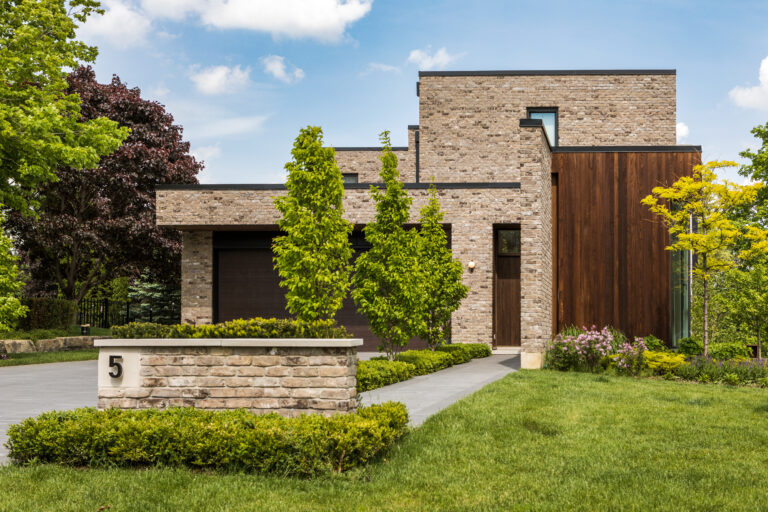
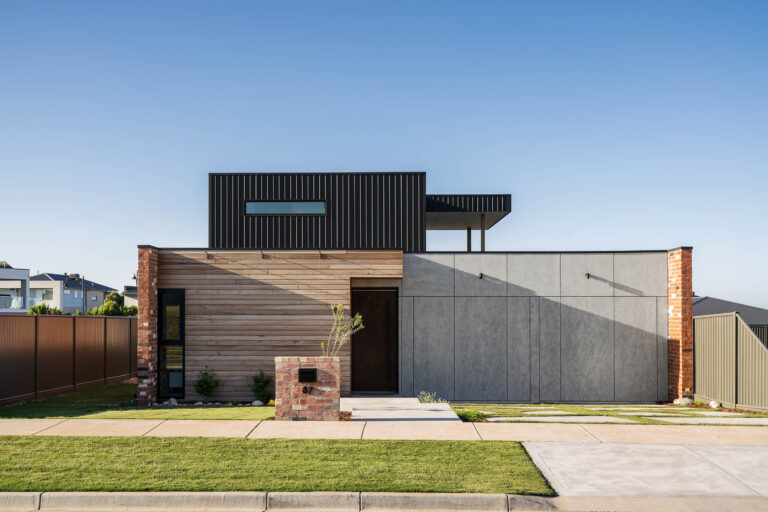
Minimalist gardens focus on simplicity and clean lines. Choose a few materials that work well together. This makes your garden easy to care for and look at.
- Geometric shapes for clear lines
- Neutral colors for a calm look
- Plants placed for balance
- Quality over quantity in materials
- Open space for calmness
Your garden should guide the eye smoothly. Clean lines and shapes bring order and elegance. This makes your garden feel bigger and more peaceful.
| Design Element | Purpose | Visual Impact |
|---|---|---|
| Straight pathways | Guide movement and flow | Creates defined direction |
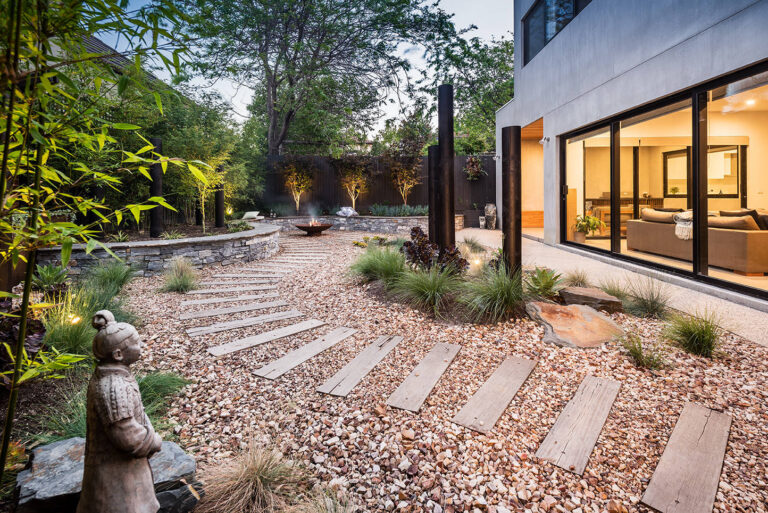
| Gravel or stone beds | Define planting zones | Adds texture and structure |
| Simple fencing | Establish boundaries | Creates enclosure |
| Minimal plant variety | Reduce visual clutter | Emphasizes form and shape |
Choosing thoughtful design means less work for you. A minimalist garden needs less care than a traditional one. You’ll enjoy your garden more without the hassle of upkeep.
Selecting a Palette of Plants and Materials
Your outdoor space needs a careful choice of colors and textures. The right mix turns your garden into a peaceful oasis. Start by picking materials and plants that complement each other. This choice sets the mood of your landscape.
Choosing wisely creates a calm look. Limiting your options makes each piece stand out. Your plants become the main attraction, with their shapes and forms taking center stage.
Choosing Monochromatic Color Schemes
Monochromatic schemes use different shades of one color family. Green shades are perfect for gardens. Soft grays add a modern touch. These schemes keep your space calm and avoid visual overload.
Seeing one color family is soothing. It brings peace to your mind. Designers use this to create timeless gardens. You can mix shades to add depth without losing harmony.
- Dark greens for background depth
- Light greens for foreground brightness
- Gray-green plants for transition areas
- White flowers as subtle accents
Utilizing Natural Stone and Wood
Natural materials add warmth and texture to your garden. Slate, granite, and cedar wood connect you to nature. They also age beautifully over time.
Wood paths guide you through your garden. Stone surfaces create different areas. Both materials enhance green plants without adding competing colors.
| Material | Best Uses | Color Range |
|---|---|---|
| Slate | Pathways, borders, accent features | Gray to charcoal |
| Granite | Hardscaping, steps, focal points | Gray, black, soft brown |
| Cedar Wood | Raised beds, pergolas, edging | Warm tan to silver-gray |
Clean lines in your materials support minimalist design. Smooth stones and straight-grain wood add to the visual order. Your garden becomes a unified whole where every element fits perfectly.
Implementing Simple Garden Design Principles
Creating a minimalist outdoor space starts with understanding the core elements. A simple garden design focuses on purpose and clarity. Your goal is to build a landscape that serves your needs while being easy to maintain and visually stunning.
Start by organizing your yard into distinct zones. These areas help direct foot traffic and create natural flow. When you define clear pathways, visitors naturally move through your garden in intentional ways. This planning reduces wasted space and makes your yard feel larger and more organized.

Plant selection plays a critical role in achieving minimalist goals. Choose a limited number of plants and use them in mass plantings. This approach creates bold visual impact while cutting down on your maintenance time. When plants repeat across your landscape, they establish rhythm and cohesion.
Here are key principles to guide your planning:
- Reduce plant variety to three or four main species
- Use mass plantings of the same plant for uniform appearance
- Create clear pathways between functional areas
- Keep hardscape materials consistent throughout
- Remove unnecessary decorative elements
By applying these design strategies, your garden becomes a place of relaxation rather than a source of endless work. Your yard will feel calm, organized, and intentional. The time you save on upkeep gives you more moments to enjoy your outdoor sanctuary.
Creating a Modern Minimalist Garden Sanctuary
Creating a modern minimalist garden is about combining calm elements into one space. It turns your outdoor area into a peaceful spot for reflection. With the right design and nature, your yard becomes a luxury retreat.
Choosing elements that are simple yet serve a purpose is key. A modern minimalist garden is peaceful and ordered. Every part of it adds to the calm.
Incorporating Water Features for Serenity
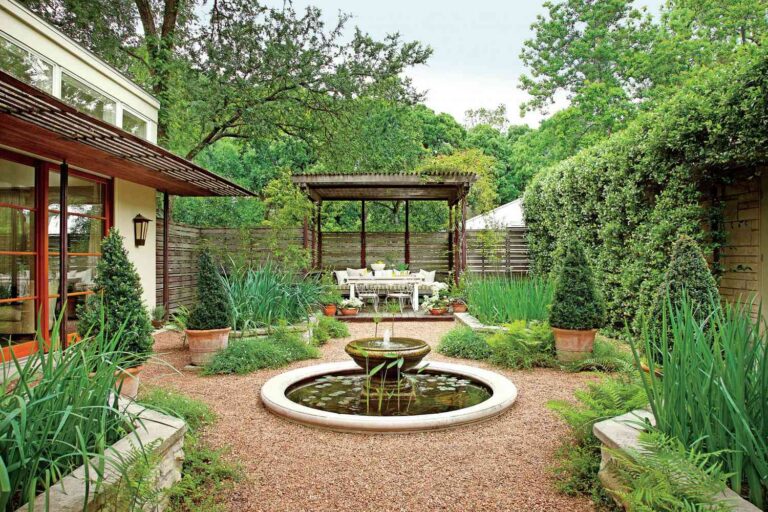
Water features add life and sound to your sanctuary. A sleek reflecting pool makes your space look bigger. Stone fountains create soft sounds that block out noise and help you relax.
Here are some water feature ideas:
- Reflecting pools with clean edges and minimal ornamentation
- Stone fountains with simple geometric shapes
- Shallow basins with recirculating water systems
- Linear water channels that guide the eye through the garden
- Minimalist waterfalls made from stacked natural stone
Selecting Architectural Plant Species
Choosing the right plants is crucial for a modern minimalist garden. They should be strong and not need much care. Japanese maples have beautiful branches and leaves. Ornamental grasses add movement and texture with little effort.
| Plant Species | Height Range | Key Features | Maintenance Level |
|---|---|---|---|
| Japanese Maple | 15-25 feet | Sculptural branches, seasonal color | Low to Medium |
| Bamboo (Clumping) | 8-12 feet | Vertical lines, evergreen texture | Low |
| Ornamental Grass (Miscanthus) | 4-6 feet | Airy texture, graceful movement | Low |
| Structural Shrubs (Boxwood) | 3-6 feet | Clean forms, year-round presence | Low |
| Columnar Evergreens | 20-30 feet | Vertical emphasis, screen capability | Low |
These plants create depth and interest in your garden. They make it look permanent and sophisticated. Water features and architectural plants together create a luxury space for you to relax and enjoy.
Optimizing a Small Minimalist Garden Layout
Creating a beautiful outdoor space in a small area requires smart planning. A small minimalist garden does well when you remove what’s not needed. Focus on what’s important. Your goal is to use every square foot wisely, keeping things simple and clean.
Think vertically to make the most of limited space. Tall, slender trees draw the eye up, making your yard seem bigger. Wall-mounted planters are great for city dwellers with little space. They add interest without taking up ground.

An open layout is key for a small garden. Keep paths clear and avoid overfilling the space. This makes your outdoor area feel like a part of your home, not a cramped spot.
Smart Space-Saving Strategies
Here are some effective ways to use your small outdoor space:
- Install narrow raised beds along garden borders
- Use trellises for climbing plants that save ground space
- Position trees strategically to frame views
- Choose multi-functional seating with hidden storage
- Apply hardscaping materials to define zones
| Space Solution | Best For | Visual Impact |
|---|---|---|
| Wall-Mounted Planters | Herbs and trailing plants | Draws eyes upward |
| Tall Specimen Trees | Creating focal points | Adds height and dimension |
| Raised Beds | Vegetables and flowers | Defines garden zones |
| Hardscaping Pathways | Movement through space | Creates structure |
Your small minimalist garden will thrive with restraint. Every element should have a purpose. This approach makes your outdoor space feel spacious, calm, and perfectly in tune with your home.
Maintaining the Clean Lines of Your Landscape
Keeping your outdoor space looking sharp and intentional requires regular maintenance work. A modern minimalist garden depends on discipline and planning to preserve its refined appearance. Plants grow over time, and without care, they can lose their shape and overwhelm your design.
Staying ahead of growth patterns is key to protecting your investment. This way, your space will look pristine year-round.
Think of maintenance as part of your design process. Every plant you selected has a specific role in your landscape. Regular attention ensures each plant stays within its intended boundaries and serves its purpose in the overall composition.
Pruning Techniques for Structural Integrity
Proper pruning keeps your shrubs and hedges looking clean and organized. Use sharp, clean tools for precise cuts that promote healthy growth. Remove dead branches and crossing stems to keep your space looking good.
- Cut at a 45-degree angle just above growth nodes
- Remove interior branches to improve air circulation
- Trim hedges into geometric shapes for a polished appearance
- Prune flowering plants after blooming ends
Managing Seasonal Growth Patterns
Different seasons bring different growth challenges. Spring growth is rapid and needs frequent attention. Summer requires monitoring to prevent plants from blocking pathways or obscuring stone features. Fall prepares plants for winter dormancy. Even in a small minimalist garden, you must stay vigilant about seasonal changes.
| Season | Growth Focus | Maintenance Task |
|---|---|---|
| Spring | Rapid new growth | Weekly trimming of new shoots |
| Summer | Expansion and density | Shape hedges and prune overgrowth |
| Fall | Slower growth rate | Remove dead leaves and branches |
| Winter | Dormancy period | Plan next season’s design adjustments |
Your commitment to maintenance preserves the structural integrity of your design. By managing growth proactively, you keep your landscape looking intentional and elegant throughout every season.
Conclusion
Creating a minimalist garden is a journey that requires patience and careful planning. It turns your outdoor space into a serene retreat. The effort you put in will reward you for many years.
A minimalist garden design lets you enjoy your outdoor area without worry. You focus on the quality of each element, making your garden both beautiful and easy to maintain. This approach ensures your garden remains a peaceful oasis.
Your minimalist garden can be a personal sanctuary. It shows who you are and what you value. By following this guide, you can turn your yard into a place you adore. Start small if needed, and make changes gradually. Your peaceful and elegant outdoor space is just around the corner.