Garden Landscaping Ideas to Transform Your Yard Into a Stunning Green Space
Imagine stepping outside and feeling calm. Your yard becomes a personal retreat. A well-designed outdoor space does more than make your home look good. It’s a place where you enjoy time with loved ones.
Your backyard has great potential. Many homeowners don’t see what their outdoor areas can become. The right garden landscaping ideas can make your yard amazing. You don’t need a big budget or to be a pro to do it.
The National Association of Landscape Professionals says good landscaping can increase your home’s value by up to 15 percent. This means your investment in backyard landscaping is smart. You get beauty and fun now. You also get financial benefits later.
This guide will show you how to change your outdoor space. You’ll learn to assess your yard, pick the right plants, and design features that fit your life. Whether you have a small yard or a big one, these tips work for you.

Key Takeaways
- A well-maintained landscape increases home resale value by up to 15 percent
- Assess your yard’s soil, drainage, and sunlight before planning your design
- Choose native plants suited to your climate for easier maintenance
- Hardscape elements like patios and pathways add function and structure
- Privacy features such as fences and screens create your personal outdoor sanctuary
- Sustainable landscaping practices benefit your wallet and the environment
- Your garden landscaping ideas should reflect your personal style and needs
Assessing Your Outdoor Space
Before you start planning your garden, get to know your yard. It has its own unique conditions shaped by soil, water, and sunlight. These factors will guide your plant choices and design.
Understanding your yard is like learning a new language. You must speak its dialect to create beauty. Start by looking at what’s already there and what nature offers daily.
Evaluating Soil Quality and Drainage
Your soil is key to your yard’s growth. Test its pH level, aiming for 6.0 to 7.0 for most plants. You can buy a soil testing kit or send samples to your local extension office.
Drainage issues harm plants. Standing water causes root rot in over 80 percent of plants. Dig a 12-inch hole, fill it with water, and wait. If water stays, your yard has poor drainage.
- Perform a simple soil texture test by squeezing damp soil in your hand
- Look for sandy, clay, or loamy soil consistency
- Observe where water pools after rainfall
- Check for standing water or soggy patches
Mapping Sunlight Patterns Throughout the Day
Sunlight changes with the seasons. What’s shady in winter may be sunny in summer. Observe your yard’s light at different times.
| Light Zone | Daily Sunlight Hours | Best Plant Types |
|---|---|---|
| Full Sun | 6+ hours direct sun | Roses, lavender, sunflowers |
| Partial Shade | 3-6 hours sun | Hostas, ferns, hydrangeas |
| Deep Shade | Less than 3 hours sun | Shade-loving perennials, groundcovers |
Spent a day observing your yard. Note where morning sun hits, where afternoon shadows fall, and which areas stay shaded all day. This simple exercise prevents costly mistakes and sets you up for landscaping success.
Creative Garden Landscaping Ideas for Every Yard
Turning your outdoor area into something special starts with design basics. These basics make your yard look good and work well. You can make any yard look amazing with the right ideas, even if it’s small.

Landscapers often use the “rule of three.” This means grouping things in odd numbers for a better look. For example, three shrubs look better than two or one. This trick works for any yard size or style.
Your yard should have different areas for different things. Think about having spots for:
- Dining and entertaining
- Places to relax and sit
- Areas for kids and pets to play
- Quiet spots for reading
Make the most of your space by using the walls. Tall plants and trellises make your yard feel bigger. Also, make sure paths connect all areas of your yard.
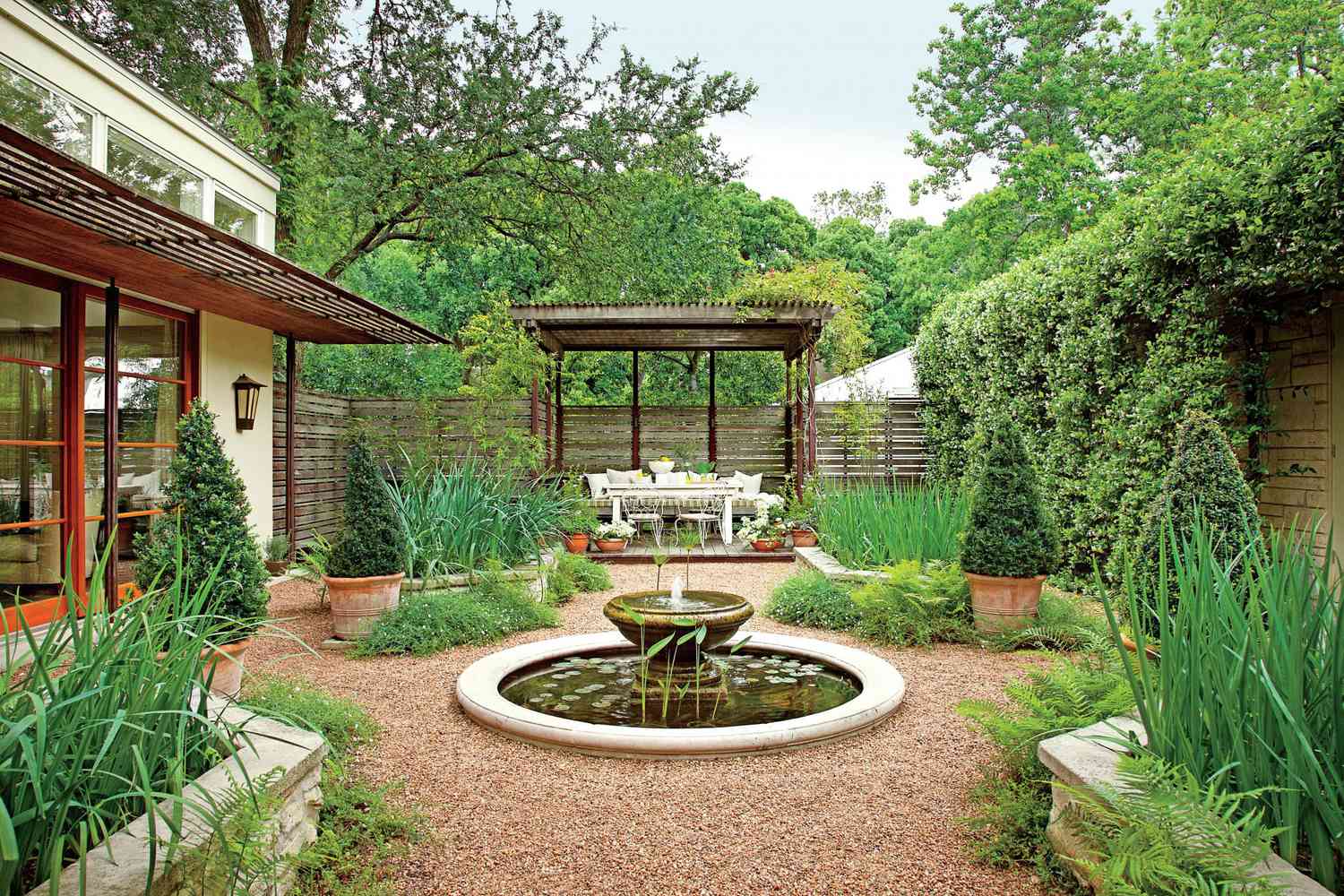
Balance and size are key in design. Match big features with smaller ones for a nice look. A big feature like a fountain or sculpture is a great centerpiece. This makes your yard look planned and neat, not messy.
Selecting Plants for Your Climate
Choosing the right plants for your garden starts with knowing your growing conditions. Your location tells you which plants will do well with little care. The USDA Hardiness Zone map divides North America into areas based on winter temperatures.
Knowing your zone helps pick plants that can handle your winters and summers. Local nurseries can help find the best plants for your area.
Choosing Native Species for Low Maintenance
Native plants are made for your region’s weather and soil. They need less water and care than other plants. They also attract local wildlife, making your garden healthier.
Native plants rarely need chemical treatments because local insects don’t bother them. Once they grow, they need little pruning and fertilizing. They offer beautiful flowers and foliage without constant care.
- Native grasses provide texture and movement
- Local wildflowers attract pollinators
- Indigenous shrubs create natural screening
- Regional trees offer shade and structure
Creating Seasonal Color Palettes
Strategic plant selection brings year-round beauty to your garden. Choose perennials and shrubs that bloom in different seasons. Spring bulbs wake up your garden, while summer bloomers keep it lively.
Fall-blooming plants add color as the seasons change. This approach means less replanting and a garden that’s always interesting.
| Season | Plant Type | Examples | Color Range |
|---|---|---|---|
| Spring | Bulbs & Early Bloomers | Tulips, Daffodils, Bleeding Heart | Pink, Yellow, White, Purple |
| Summer | Peak Bloomers | Coneflowers, Black-eyed Susans, Zinnias | Orange, Red, Yellow, Pink |
| Fall | Late Bloomers | Asters, Sedum, Goldenrod | Purple, Burgundy, Gold, Bronze |
| Winter | Structural Plants | Evergreen Shrubs, Ornamental Grasses | Green, Brown, Gray, Red-tinged |
When you choose plants for each season, your garden becomes a living work of art. It tells a story all year, with new wonders at every turn.
Incorporating Hardscape Elements into Your Design
Hardscape elements are key to your outdoor space. They include stone pathways, wooden decks, and concrete patios. These features add structure and balance to your yard.
They work with plants to create different zones. This makes your garden more functional. Hardscaping is a practical solution that lasts for years.
The right materials can change how you use your outdoor area. Natural flagstone makes for elegant walkways. Composite decking is durable and low maintenance. Gravel paths add a rustic touch.
Finding the Right Balance
Your hardscape should cover 30 to 40 percent of your yard. This balance is important. It keeps your yard feeling open and allows for more plants.
Popular Hardscape Materials and Benefits
- Natural stone—lasts decades and weathers beautifully
- Composite decking—low maintenance and eco-friendly
- Concrete—affordable and versatile for any style
- Gravel—budget-friendly and easy to install
- Brick—classic look with excellent durability
These features create smooth transitions from your home to the garden. They provide places to sit, walk, and entertain. When hardscape and plants work together, your outdoor space becomes more usable and attractive.
Essential Backyard Landscaping Ideas for Privacy
Many homeowners want a private outdoor space. Living in crowded areas means neighbors can see into your yard. Luckily, you can make your yard private without spending a lot. You can mix useful solutions with beautiful designs to make your yard look great.
Privacy barriers do more than just block views. They also cut down on noise and make a peaceful area for your family. The best choice depends on your space, budget, and taste. You can choose from natural or modern options, depending on your needs.
Installing Natural Living Fences
Plant-based fences are good for privacy and look nice all year. Emerald Green Arborvitae is a top pick. These trees grow up to 15 feet tall and block views well. They also help reduce street and neighbor noise.
Here are some benefits of natural living fences:
- They stay green all year
- Improve air quality
- Support wildlife
- Need little care after they grow
- Can increase your home’s value
Utilizing Decorative Privacy Screens
Privacy screens are great for small spaces. They come in modern designs like laser-cut metal and cedar slats. These screens are easy to set up and don’t take up much room, perfect for small yards or balconies.
Here are some privacy screen options:
- Metal screens with cool patterns
- Cedar or composite wood slats
- Bamboo panels for a Japanese feel
- Combinations of materials
- Retractable screens
Placing these privacy solutions right can make your yard look better. It also gives you the private outdoor space you want.
Sustainable Garden Layout Ideas for Eco-Friendly Living
Starting an eco-friendly yard begins with careful planning. Designing your garden with sustainability in mind helps the environment and saves money. Green gardening practices work with nature, benefiting your space and local wildlife.

Water conservation is key in sustainable gardening. A drip irrigation system can cut water waste by up to 50 percent. It delivers moisture directly to plant roots, keeping them healthy while using less water.
Composting turns yard waste into valuable resources. Adding a composting area to your garden turns leaves, grass clippings, and kitchen scraps into nutrient-rich soil. This reduces the need for fertilizers and improves soil quality.
Native plants are essential for sustainable gardens. They need less water, fertilizer, and pest control than non-native plants. They also support local pollinators like bees and butterflies, creating a thriving ecosystem.
- Group plants by water needs to reduce waste
- Use mulch to retain soil moisture
- Plant trees for shade and energy savings
- Create wildlife habitat zones throughout your space
- Choose perennials that return each year
Smart garden design saves money and resources. Your yard becomes a healthy, productive space that benefits the planet for years.
Conclusion
Turning your yard into a beautiful green space is a rewarding journey. It mixes careful planning with creative ideas. The garden landscaping tips you’ve learned will help you create an outdoor area that looks great and functions well.
Your yard can become a peaceful retreat that brings you joy for years. Using the backyard landscaping ideas from this guide, you can make a space that suits your lifestyle and budget. Start by assessing your space, choosing the right plants, and adding hardscape elements that match your style.
These steps help create a cohesive design. You can find landscaping inspiration from nature, magazines, or your neighbors’ yards. This sparks your own creativity.
The best garden layout ideas evolve with you over time. Your outdoor space doesn’t need to be perfect at first. Small upgrades and seasonal changes keep your yard interesting.
This means you get ongoing landscaping inspiration as you improve different areas. Start your landscaping project today to enjoy a beautifully designed outdoor sanctuary. Whether you tackle one section at a time or plan a whole yard makeover, each step brings you closer to your dream green space.
Your effort will pay off in a welcoming outdoor area. Here, you can relax, entertain, and connect with nature.