House Facade Design Guide: 20 Eye-Catching Styles That Define Your Home
Your home’s exterior tells a story before anyone steps through your front door. It shows who you are and what you value. It also tells the world how you want to be seen.
When guests arrive or you pull into your driveway, that first look matters a lot. It shapes their impression of your whole property. This moment is more important than you might think.
A well-planned house facade design makes your home stand out. It’s more than just paint and landscaping. It combines color, material, light, and architectural details into one statement.
When done right, it boosts your property’s value and shows off your unique taste. This guide will show you 20 different styles to make your home look amazing. You’ll learn about materials, colors, and details that catch the eye.
Whether you like modern, traditional, rustic, or something in between, you’ll find inspiration here. You’ll also get practical advice to help you choose.

The journey to transform your home starts with knowing what works. You need to understand materials, lighting, texture, and balance. You must know which choices make your home look good and which ones blend in.
Most importantly, you need a clear plan that’s easy to follow. This guide will help you find your way without feeling overwhelmed or confused.
Key Takeaways
- Your house facade design serves as your home’s first impression and shapes how others perceive your property
- Strategic use of color, materials, and lighting can dramatically increase your home’s visual appeal and market value
- Texture and architectural details add dimension and interest to even simple home exteriors
- Professional-grade materials and proper installation ensure your facade lasts for decades
- Sustainable landscaping features complement your exterior design while reducing environmental impact
- Balancing aesthetics with structural integrity prevents costly repairs down the road
Understanding the Impact of Your House Facade Design
Your home’s exterior is its face. It shows how visitors, neighbors, and potential buyers see your home. A good house facade design tells a story about you and your home’s value.
A well-designed exterior boosts your home’s value and appeal. Studies show curb appeal can increase your home’s resale value by up to 7%. This means spending time and money on your home’s look can pay off when selling.
Why First Impressions Matter for Your Property
People make judgments about your home in seconds. Your home’s entrance and look create lasting impressions. When buyers see your home, they judge it based on its condition and style.
- Curb appeal affects buyer interest and property value
- A clean, attractive facade suggests proper home maintenance
- Professional landscaping and design attract more attention
- Well-maintained exteriors signal quality craftsmanship
Balancing Aesthetics and Structural Integrity
Beauty is important, but it’s not enough. Your facade design must meet local building codes and weather conditions. Every choice must respect the strength and durability needed for your climate.
Good design combines beauty with practicality. Your materials must look good and withstand the weather. Insulation, drainage, and ventilation work with design to make a lasting facade.
| Design Element | Visual Purpose | Structural Function |
|---|---|---|
| Color Selection | Creates style and character | Affects heat absorption and durability |
| Material Choice | Defines aesthetic appeal | Provides weather protection |
| Window Placement | Enhances visual balance | Improves ventilation and light |
| Roof Design | Completes the overall look | Prevents water damage |
Exploring Modern Home Facade Trends
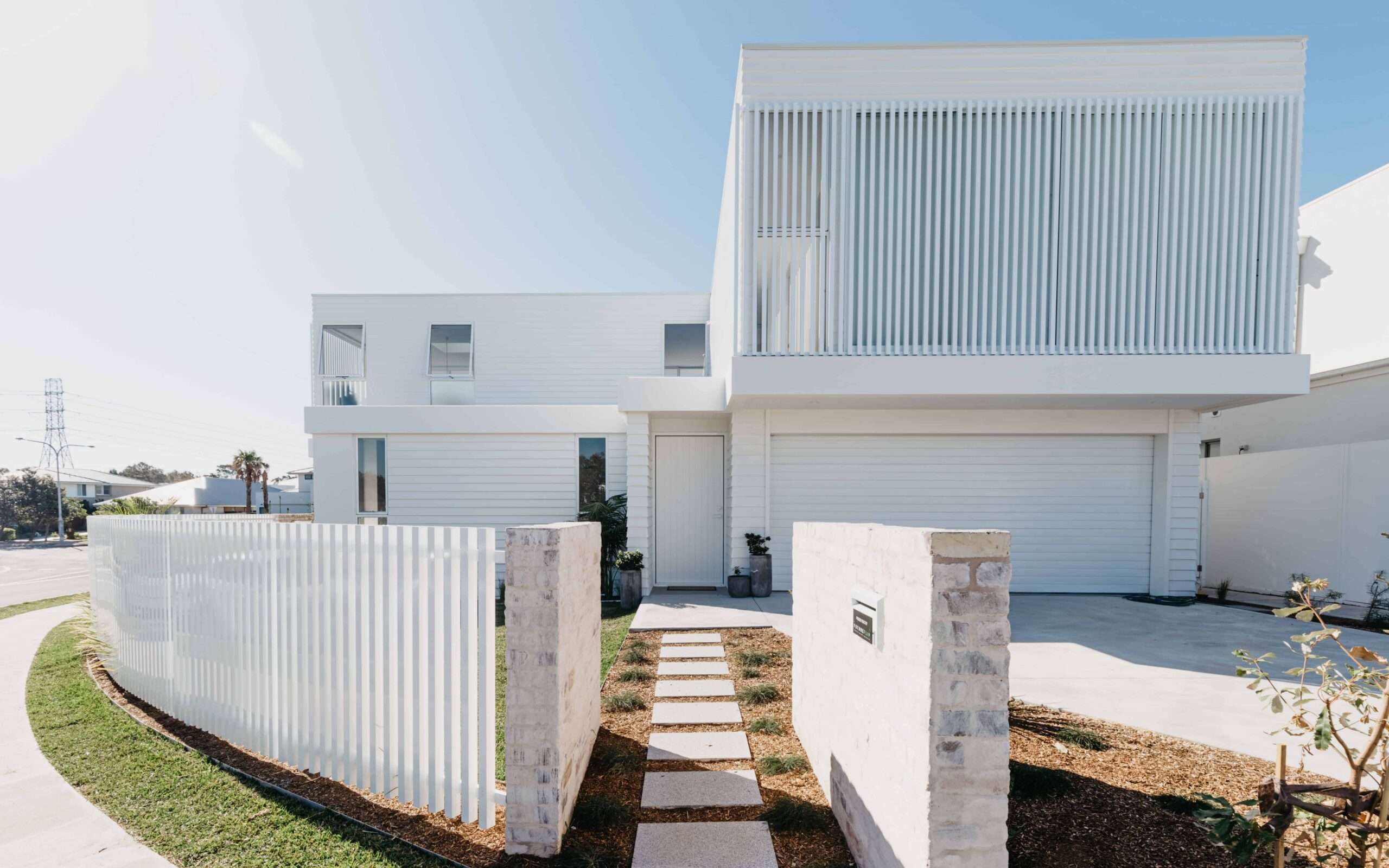
Today’s homes are all about simplicity and style. They show what living in the 21st century is all about. Clean lines, simple looks, and being useful are what people want outside their homes. Cities all over America are showing this new trend in design.
Modern homes focus on being open and connected. Big glass windows let in lots of light. Steel frames add a cool contrast. Together, they make homes look big and strong.

Your home’s outside can match its inside perfectly. Modern design removes walls between inside and outside. This makes rooms feel bigger and more connected.
When updating your home’s look, think about these things:
- Big glass windows and sliding doors for clear views
- Horizontal lines for a wide and stable look
- Neutral colors with a few bold walls
- Flat roofs without fancy details
- Materials like steel and concrete
- Less decoration outside
Updating your home’s look to be modern can boost its value and save energy. Your home should reflect your lifestyle and values.
Essential Elements for a Stunning Front Elevation House Design
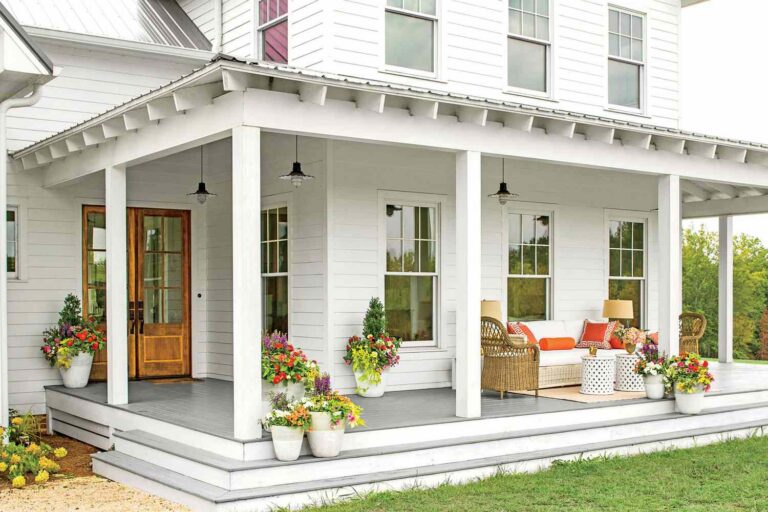
Your front elevation house design sets the tone for your entire property. Two key elements work together to create a visually striking entrance: color selection and strategic lighting. These components transform how people perceive your home from the street and create lasting impressions that enhance your property’s value.
When you develop your house facade design, you’re making decisions that affect both day and night appearances. Understanding how these elements interact allows you to create a cohesive, beautiful look that showcases your home’s best features.
Choosing the Right Color Palette
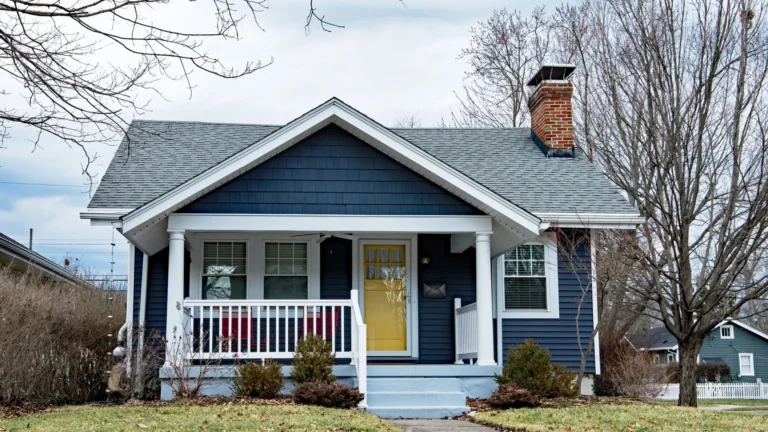
Color plays a crucial role in your front elevation house design. Your paint or cladding colors should highlight your home’s architectural features while downplaying any less attractive structural elements. Think about how natural light changes throughout the day and affects your chosen colors.
Consider these color selection strategies:
- Test paint samples on your house facade design at different times of day
- Evaluate how morning light differs from afternoon and evening light
- Choose colors that complement your roof, landscaping, and surroundings
- Use contrast to emphasize doors, windows, and architectural details
- Select timeless colors over trendy options for long-term appeal
Integrating Lighting for Dramatic Effects
Lighting transforms your house facade design after sunset. Low-voltage LED fixtures create depth and highlight textures that disappear in darkness. Proper illumination serves dual purposes: improving safety around your entry point while emphasizing your home’s unique geometry and architectural character.
Effective lighting techniques include:
- Position uplighting to showcase tall features and architectural details
- Install accent lights to highlight texture and material variations
- Use pathway lighting to guide visitors safely to your entrance
- Consider timer controls for convenience and security
- Choose warm color temperatures for welcoming atmosphere
These essential elements work together to create a front elevation house design that impresses both day and night, increasing your home’s curb appeal and perceived value.
Selecting Materials for a Contemporary Facade Design
The materials you choose are key to your contemporary facade design. Each option has its own benefits and challenges. They affect how your house facade design looks and performs for years.
Choosing the right materials is crucial for a durable modern home facade. Your selection impacts maintenance, energy use, and looks. Materials must handle rain, sun, wind, and temperature changes well. They should also fit your design vision.

Popular Material Options
There are many materials for your contemporary facade design. Here are some top picks:
- Fiber cement boards – lightweight, durable, and affordable
- Natural stone – elegant, long-lasting, requires minimal upkeep
- Reclaimed wood – eco-friendly, adds warmth and character
- Metal panels – sleek, modern, excellent thermal performance
- Brick veneer – classic appeal, strong weather resistance
- Composite materials – blend aesthetics with sustainability
Material Performance Comparison
| Material Type | Durability | Maintenance Level | Thermal Performance | Cost Range |
|---|---|---|---|---|
| Fiber Cement | 20-30 years | Low | Good | Moderate |
| Natural Stone | 50+ years | Minimal | Excellent | High |
| Reclaimed Wood | 15-25 years | Moderate | Fair | High |
| Metal Panels | 30-40 years | Low | Excellent | Moderate to High |
Choose materials that are both beautiful and practical. Your facade should be easy to maintain and keep warm or cool well. Options that resist weather keep your exterior looking good without constant fixes. Eco-friendly choices are good for the planet and save money in the long run.
Think about your local weather when picking materials for your facade. Coastal areas need materials that resist salt. Places with big temperature swings need materials that handle thermal changes well. Your modern home facade will work best when materials match your local weather.
Enhancing Curb Appeal Through Architectural Details
Your home’s first impression matters a lot. Thoughtful architectural choices can make a big difference. Adding depth and character to your front elevation can turn an ordinary facade into something special.
Strategic details create visual interest. They draw attention to your home’s best features. This makes your property stand out in your neighborhood.
Small design choices can make big differences. Layered materials, recessed entryways, and textured surfaces all contribute to a polished appearance. Investing in these details boosts your home’s value and appeal.
The Role of Texture and Dimension
Texture adds sophistication to your facade. Different materials catch light in unique ways, creating dynamic visual effects. This makes your home more visually interesting.
Consider these texture options for your front facade:
- Brick with mortar patterns for classic appeal
- Stone veneer for natural elegance
- Wood cladding for warmth and character
- Metal accents for modern contrast
- Stucco finishes for smooth sophistication
Incorporating Sustainable Landscaping Features
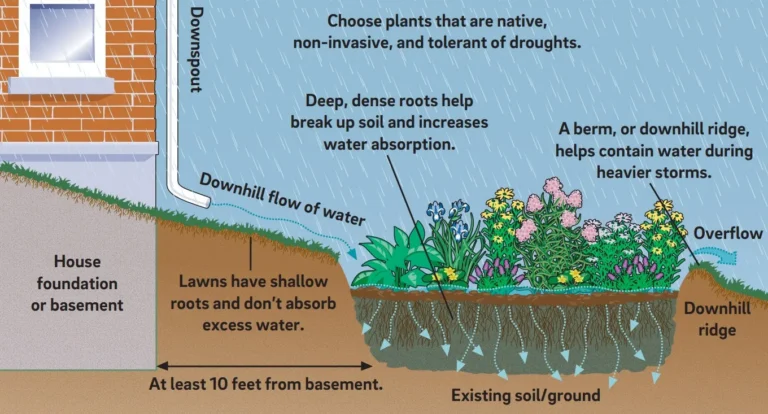
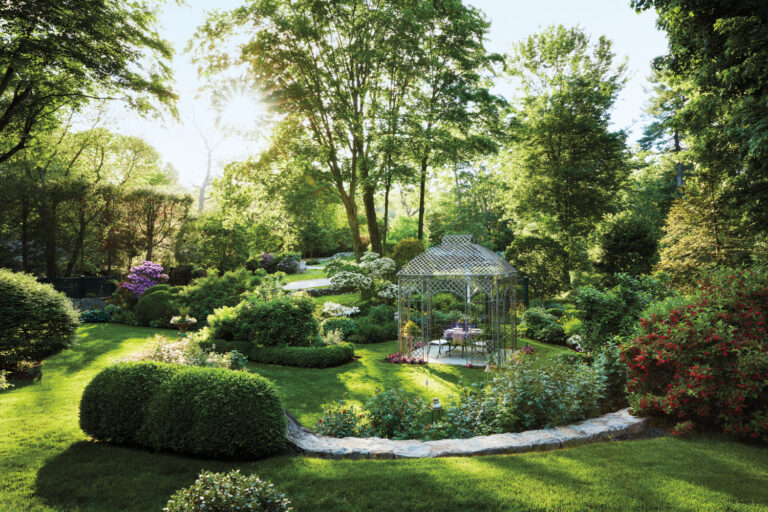
Native and drought-resistant plants frame your home beautifully. They soften the transition between your building and the natural landscape. These plants require less water and maintenance while enhancing your property’s appearance.
Sustainable landscaping benefits include:
| Feature | Environmental Benefit | Visual Impact |
|---|---|---|
| Native Plants | Reduce water consumption by 50% | Natural, cohesive look |
| Drought-Resistant Species | Lower maintenance needs | Year-round color and texture |
| Mulched Beds | Retain soil moisture | Clean, organized appearance |
| Gravel Pathways | Permeable water drainage | Defined entry approach |
These landscape choices frame your home while reducing environmental impact. Your front yard becomes an extension of your home’s design, supporting local ecosystems.
Conclusion
Your home’s exterior design is key to how others see your place. By planning well and making smart choices, you make your entrance inviting. This boosts your happiness and your home’s value.
Creating a great look is about mixing style with substance. Choose quality materials and colors that match your surroundings. Add lighting to show off your home’s best parts.
Combining these choices with green landscaping and strong construction makes your investment last. Your home’s look shows off your smart design choices.
Let this guide help you plan your next home project. First, pick the design elements you like best. Draw your ideas and look at homes in your area for inspiration. Talk to local builders who know your climate and building rules.
Start now and get closer to the home you dream of. It’s time to make your vision a reality.