Contemporary House Exterior Designs That Feel Elegant and Timeless
Imagine walking by a house that catches your eye. It’s not because it’s flashy, but because it feels right. It looks great today and will look just as good ten years from now. This is what a well-designed contemporary house exterior offers.
Your home’s exterior tells a story about you. It’s the first thing visitors see. It’s what welcomes you every day. Choosing a contemporary exterior that blends modern style with timeless appeal boosts both curb appeal and home value.
The 2023 American Institute of Architects (AIA) design reports show a shift in exterior design priorities. Homeowners are looking for designs that are current but won’t go out of style. They prefer materials and proportions that last over time.
This guide will show you how to create a contemporary house exterior that balances modern style with lasting appeal. You’ll learn which design elements are key. You’ll discover materials that are both beautiful and durable. And you’ll see how to mix modern style with natural elements in a way that feels intentional and elegant.

Key Takeaways
- Contemporary house exterior design combines modern aesthetics with long-term visual appeal through thoughtful material selection
- Clean geometric lines and balanced proportions create a sophisticated look that remains relevant for decades
- High-quality materials are the foundation of an exterior that resists aging and weather-related wear
- Integration of natural elements like wood and stone adds warmth to modern designs
- Strategic lighting enhances your home’s contemporary features and creates visual interest after dark
- Large windows and open transitions between indoor and outdoor spaces define modern exterior living
- Sustainable choices in your facade design reflect both style and environmental responsibility
Defining the Contemporary House Exterior
A contemporary house exterior marks a big change in home design. It moves away from old homes full of decorations. Now, we focus on clean lines, purposeful design, and visual impact. This makes homes feel fresh and intentional.
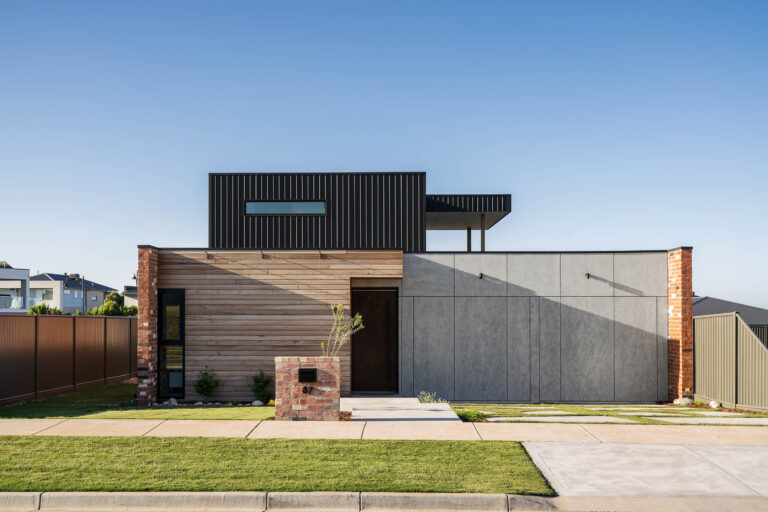
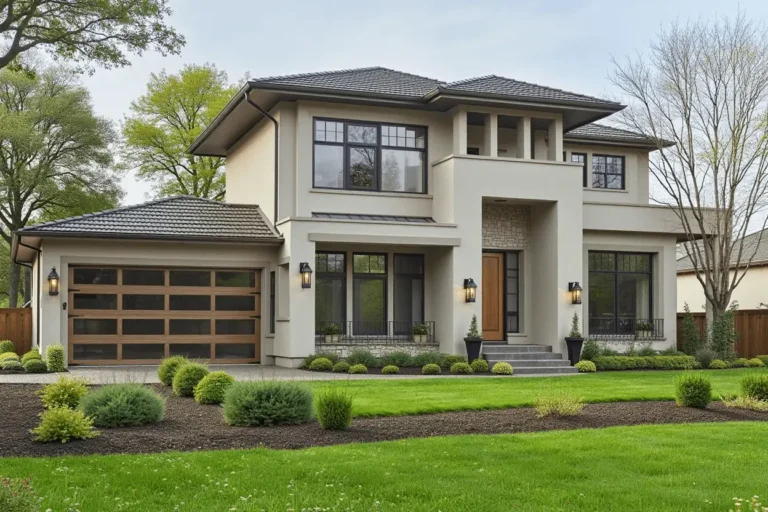
Modern facade architecture is all about simplicity and geometry. The color scheme is usually neutral, with whites, grays, blacks, and earth tones. These colors highlight the structure and materials. The result is a sleek exterior that impresses with its sophistication, not decorations.
Understanding what makes a contemporary house exterior special helps us see the big differences from old styles:
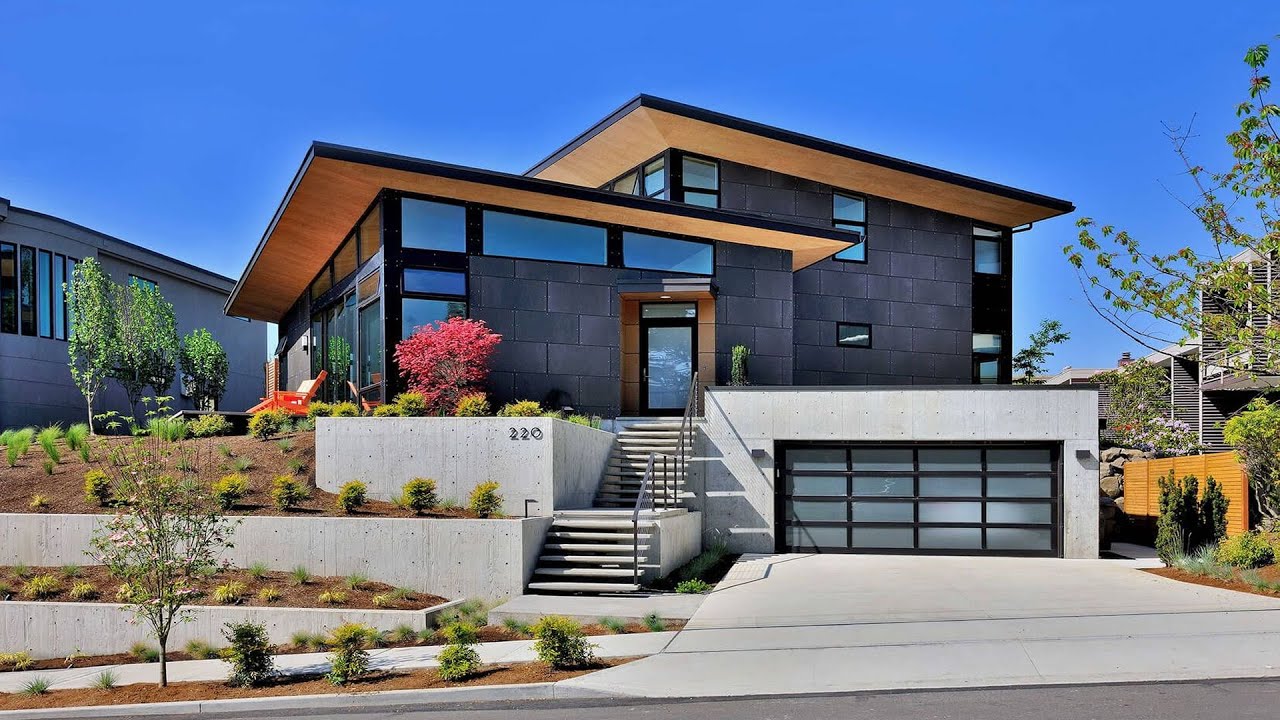
- Flat or low-pitched rooflines instead of steep angles
- Minimal trim and moldings on walls and windows
- Materials left in their natural state or given subtle finishes
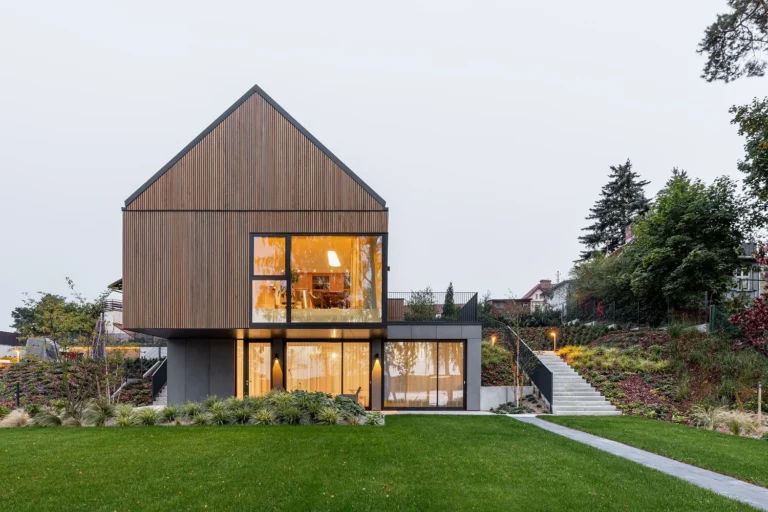
- Open facades that reveal interior spaces through large windows
- Asymmetrical layouts that create visual interest
The contemporary approach values function as much as looks. Your home’s exterior does more than just look good. It protects walls from weather with overhanging eaves. It brings in natural light with smart window placement. Every design choice has a purpose.
This style fits well everywhere in the United States. It adapts to different climates and settings. Whether you live in a city or a suburb, a contemporary house exterior looks great and fits right in.
Essential Elements of Modern Contemporary House Design
A modern contemporary house combines design principles for open and refined spaces. It blends interior comfort with exterior elegance. This makes contemporary design popular in today’s homes.
Contemporary style is built on key features. Each part serves both looks and function. Together, they make homes feel spacious, light, and striking.
Focusing on Clean Geometric Lines
Sharp geometric lines are at the heart of contemporary design. These straight edges are seen in rooflines, windows, and walls. Precision brings order and intentional design.
Geometric lines offer many benefits:
- Creates strong visual structure and defined spaces
- Guides the eye through interior and exterior areas
- Produces balance through symmetrical or asymmetrical arrangements
- Simplifies maintenance with fewer curved surfaces
- Supports the use of negative space for breathing room
Negative space is crucial with geometric shapes. It keeps rooms from feeling cramped. Strategic use of negative space makes your home calm and uncluttered.
Embracing Open Floor Plans and Large Windows
Open floor plans connect living areas, creating flow. This design choice merges your kitchen, dining, and living spaces into one area.

Floor-to-ceiling windows blur the line between inside and outside. These large glass panels are key for contemporary living:
| Window Feature | Benefit to Your Home |
|---|---|
| Natural Light Maximization | Reduces daytime lighting needs and creates bright, welcoming spaces |
| Outdoor Connection | Frames landscape views and brings nature into living areas |
| Visual Spaciousness | Makes rooms appear larger through sightlines to exterior areas |
| Passive Heating and Cooling | Utilizes solar gain and natural ventilation for energy efficiency |
| Design Continuity | Creates seamless transitions between interior and exterior zones |
Large windows are design statements. They let natural light fill your spaces, a key feature of luxury homes. This makes your home feel airy and connected to its surroundings all day.
Selecting Materials for a Sleek Exterior Design
The materials you pick shape your home’s look and function for years. They decide if your modern home stays stunning against rain, snow, and sun. Choosing wisely means a sleek look that’s easy to keep up.
Today’s homes use materials that are both strong and stylish. Options like composite panels, fiber cement, and metal cladding are popular. They last longer than old materials and need less care, saving you money and time.
Using different textures makes your home more interesting. You can mix smooth panels with textured ones for depth. This keeps your home looking sleek and avoids dated looks.
Material Options Worth Considering
- Fiber cement boards resist cracking and warping
- Composite panels offer long-lasting color stability
- Metal cladding provides a modern, industrial feel
- Natural stone accents add elegance and durability
- Anodized aluminum requires minimal cleaning
| Material Type | Durability Rating | Maintenance Level | Lifespan |
|---|---|---|---|
| Fiber Cement | High | Low | 25-30 years |
| Composite Panels | Very High | Very Low | 30+ years |
| Metal Cladding | High | Low | 40+ years |
| Natural Stone | Very High | Medium | Lifetime |
It’s important to balance cost with long-term benefits when renovating. Cheaper materials might save money upfront but need replacing sooner. Spending more on quality materials means less upkeep and more value over time. Your investment will pay off with a home that looks great for decades.
Integrating Modern Facade Architecture with Nature
Your modern home can blend with nature beautifully. Choose materials and designs that connect your home to the landscape. This makes your home feel like it’s part of the environment, not separate.
Creating this harmony needs careful planning and the right materials.
Utilizing Sustainable Wood and Stone Accents
Natural materials add warmth to modern homes and are good for the environment. Wood and stone soften modern designs’ sharp edges. They also age well and gain character over time.
Here are some sustainable exterior materials to consider:
- Cedar wood siding for warm tones and natural durability
- Local stone veneers that match your region’s geology
- Reclaimed wood accents from salvage suppliers
- Native stone for patios and walkways
- Composite materials made from recycled wood fibers

Creating Seamless Indoor and Outdoor Transitions
Your modern home benefits from spaces that blend inside and outside. Large sliding glass doors, extended patios, and covered decks make your living area bigger. This design trend lets you enjoy nature while keeping your home’s lines clean.
| Design Element | Benefits | Materials Used |
|---|---|---|
| Extended Deck Spaces | Expands living area and encourages outdoor use | Composite decking, native wood |
| Glass Sliding Systems | Creates visual connection without barriers | Aluminum frames, tempered glass |
| Native Plantings | Reduces maintenance and supports local ecosystems | Regional trees and shrubs |
| Stone Pathways | Guides movement and defines outdoor zones | Local fieldstone and flagstone |
| Water Features | Adds sensory appeal and attracts wildlife | Stone, recycled materials |
Strategic landscaping completes the connection. Plant native species around your home. Use stone borders for garden beds and pathways. These choices make your home feel rooted in its location and reduce maintenance impact.
Lighting Strategies for Your Home
Proper lighting changes your home after dark. It shows off your sleek design, boosts security, and makes your home welcoming. The right lighting makes your home’s architecture shine and sets it apart.
Lighting design is layered. Each layer has its own role, adding depth and interest. Mixing different lights brings out the best in your modern home.
- Uplighting fixtures that shine upward to emphasize textures and architectural details
- Recessed lights placed strategically along pathways and entryways for safety
- LED accent lighting that highlights landscaping and water features
- Wall-mounted fixtures that create a gallery-like effect on your home’s exterior
- Solar-powered lights for landscape borders and sustainable energy use
LED lights are a big plus. They use less energy, last longer, and come in many colors. Warm white lights make your home feel cozy, while cool tones highlight modern touches.
Getting a pro to install your lights is smart. They know how to place lights safely and effectively. Make sure your lighting showcases your home’s best without harsh shadows or glare. Try out different setups to find the perfect look for your home.
Conclusion
To make your home’s exterior look great, mix clean lines with top-notch materials. A modern home shines with geometric shapes and natural elements. This mix keeps your home looking fresh for many years.
Creating a stunning exterior involves several important steps. Choose materials that go well together, like wood and stone. Big windows and open spaces link your inside and outside. Smart lighting makes your home sparkle at night. Putting these elements together showcases your home’s modern design.
Your personal style is key in this process. The best designs mix your taste with solid architecture. Use what you’ve learned to plan your next steps. Your home can be a lasting joy and keep up with today’s trends.