Easy Garden Landscaping Ideas Anyone Can Create at Home
Stepping outside to a beautiful yard is like a daily gift to yourself. Seeing flowers bloom or trees shade your space makes it truly yours. You don’t need to hire expensive contractors or spend hours in the dirt to achieve this.
Your home’s outdoor area is full of potential waiting for you. Easy garden landscaping lets you design a yard that shows your personality and fits your lifestyle. You can do this yourself, without needing special skills or years of experience.
This guide will show you how to turn your yard into a beautiful retreat. You’ll learn how to assess your space, choose the right plants for your climate, and add simple features. By making smart choices, you’ll create a landscape that looks great and needs little upkeep.

Key Takeaways
- Start by evaluating your soil quality and sunlight conditions before selecting plants
- Choose native perennials and drought tolerant shrubs to reduce watering needs
- Define your garden space with natural stone pathways and clear edging
- Use decorative mulch to protect plants and create visual appeal
- Establish a consistent watering schedule and seasonal maintenance routine
- Easy garden landscaping is achievable without hiring professional help
- Plan carefully to save time and money on your landscaping project
Assessing Your Outdoor Space
Before you start planting or building garden features, it’s important to understand your yard. Taking time to evaluate your outdoor space is key. It helps you avoid wasted effort and make smart choices about where to place plants and structures.
Your yard has unique conditions that will affect everything you plant and build. Spending a few days observing your space gives you valuable information for planning.
Evaluating Soil Quality and Sunlight
Soil quality is crucial for your plants to thrive. Test your soil’s pH level using an inexpensive kit from any garden center. Most plants prefer soil with a pH between 6.0 and 7.0. You can also send soil samples to your local extension office for detailed testing.
Sunlight patterns change throughout the day and across seasons. Walk your yard at different times to observe which areas get full sun, partial shade, or full shade:
- Full sun areas receive six or more hours of direct sunlight
- Partial shade areas get three to six hours of sunlight
- Full shade areas receive less than three hours daily
Use the USDA Plant Hardiness Zone Map to find your region’s growing conditions. This tool helps you select plants naturally suited to your climate.
Mapping Out Your Available Area
Create a simple sketch of your yard showing dimensions, existing trees, structures, and problem areas. Measure your space using a tape measure or measuring wheel. Mark sunny and shady zones on your map.
This visual guide helps you:
- Visualize where garden beds should go
- Plan pathways and borders
- Avoid overcrowding plants
- Identify drainage problems
A clear map prevents costly mistakes and ensures your landscape flows naturally.
Essential Principles of Easy Garden Landscaping
Easy garden landscaping starts with working with nature, not against it. Designing your outdoor space with natural principles in mind means less work. You’ll spend less time on upkeep and more time enjoying your yard.
Grouping plants with similar needs is crucial. Plants that like the same water and sunlight do best together. This makes your garden balanced and low-maintenance.

Visual appeal is just as important as practicality. Your landscape should look good all year and be easy to care for. This balance keeps your outdoor space beautiful season after season.
Key Principles to Follow
- Group plants with matching water needs together
- Position shade-loving plants away from direct sunlight
- Create zones based on plant characteristics and care requirements
- Plan for seasonal changes in your garden design
- Leave adequate space between plantings for growth
| Landscaping Principle | Benefit to Your Garden | Time Saved |
|---|---|---|
| Grouping Similar Plants | Reduces watering mistakes and plant stress | 30% less maintenance |
| Balanced Layout Design | Creates visual appeal with less effort | 25% faster setup |
| Seasonal Planning | Ensures year-round landscape interest | 20% fewer adjustments |
By following these strategies, your garden becomes a self-sustaining space. It stays beautiful without needing constant care. The key is to plan smart from the start. This way, your easy garden landscaping project will be a joy for years to come.
Selecting Low Maintenance Plants
Choosing the right plants is key in your beginner landscaping ideas. Plants that match your climate need less care. They spend less time on watering, fertilizing, and fighting diseases.
Opt for plants that naturally thrive in your area. These plants have adapted to your local weather, soil, and rainfall over thousands of years.
Low maintenance plants make your garden easy to enjoy. Your yard becomes a peaceful spot, not a chore.
Choosing Native Perennials for Your Region
Native perennials grow naturally in your area. They come back year after year without replanting. They use less water since they’re built for your climate.
Native perennials have many benefits:
- Require minimal watering once established
- Need little to no fertilizer
- Attract butterflies, bees, and birds to your yard
- Cost less than exotic plants
- Support local wildlife populations
Find out which native perennials are best for your area. Talk to your local cooperative extension office or visit native plant nurseries for advice.
Incorporating Drought Tolerant Shrubs
Drought tolerant shrubs add structure and color to your landscape. They survive dry spells without extra water. They’re great for privacy screens, borders, and focal points.
| Shrub Type | Height Range | Water Needs | Best Uses |
|---|---|---|---|
| Juniper | 2-15 feet | Very Low | Hedges, accents |
| Russian Sage | 2-4 feet | Very Low | Borders, fillers |
| Butterfly Bush | 4-10 feet | Low | Focal points, screens |
| Desert Rose | 3-6 feet | Very Low | Containers, accents |
Combining native perennials with drought tolerant shrubs makes a beautiful, sustainable garden. Your landscape stays vibrant with less water and maintenance. This is perfect for anyone starting their gardening journey.
Incorporating Simple Backyard Landscaping Features
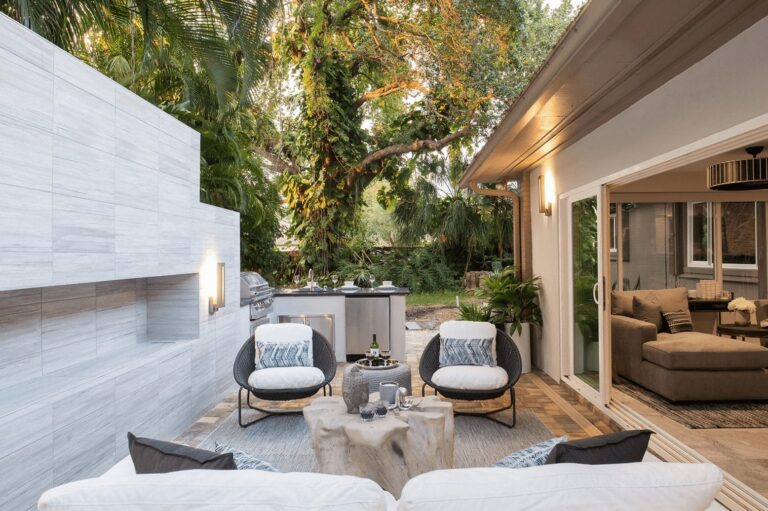
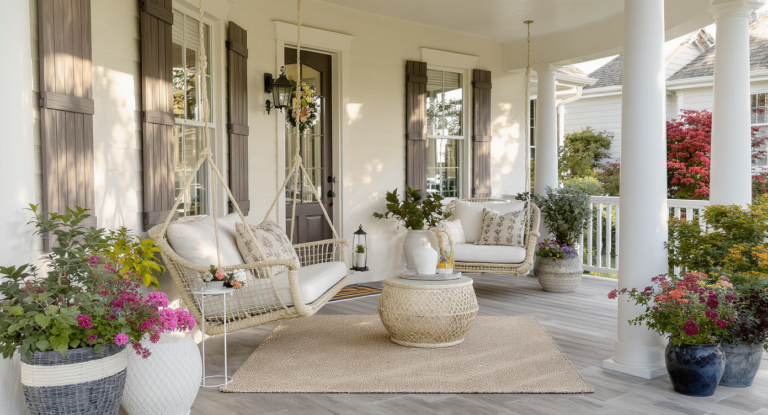
Adding functional elements is key to simple backyard landscaping. These features make your outdoor space look great and are easy to care for. They become the main attractions, making your yard a welcoming place for family gatherings.
Choosing low-maintenance features is the best way to go. A small stone fire pit is perfect for gatherings. A wooden bench is great for reading or relaxing. These features turn your yard into cozy spots where everyone wants to hang out.
It’s important to keep your feature choices simple and few. This keeps your yard looking clean and organized. Pick items that match your home and blend well with your plants.
Popular Feature Options for Your Yard
- Stone or brick fire pits for evening gatherings
- Wooden benches positioned in shaded areas
- Raised garden beds for easy planting
- Small water features or fountains for ambiance
- Decorative rocks or boulders as focal points
- Pergolas for shade and structure
Choosing a few meaningful elements avoids clutter. Quality is more important than quantity. Each feature should add value and beauty to your outdoor space. This way, you enjoy your yard more without extra maintenance.
Creating Defined Pathways and Borders
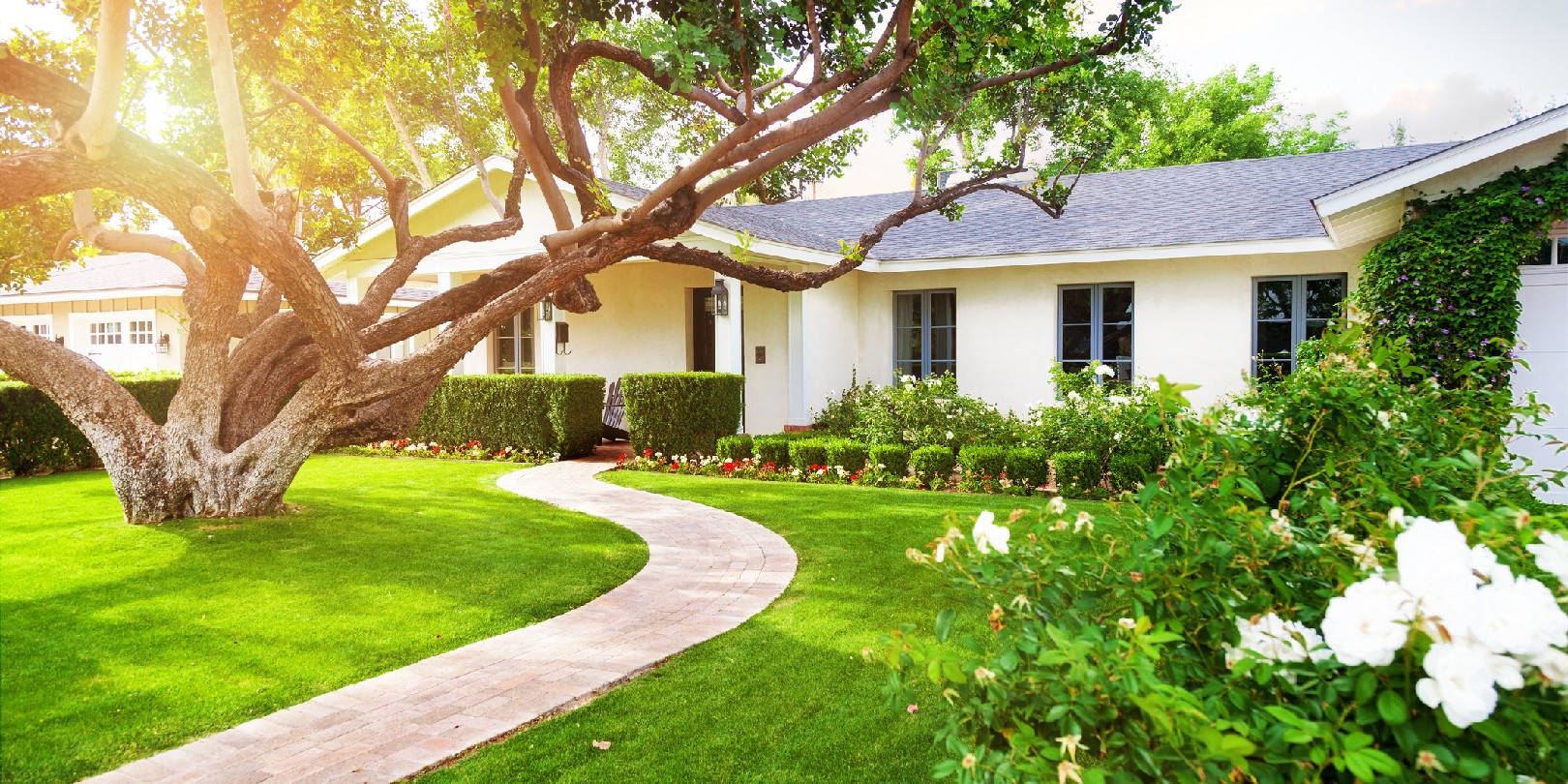
Transforming your outdoor space is easier with clear pathways and borders. They are both practical and beautiful. Paths guide visitors, while borders add structure. Adding these elements makes your yard look polished and easy to maintain.
Good borders and paths stop grass from getting into flower beds. They also protect soil from being compacted by foot traffic. This makes plants grow better. Paths also keep your feet dry and clean in the rain. They make your garden look neat and organized.
Using Natural Stone for Walkways
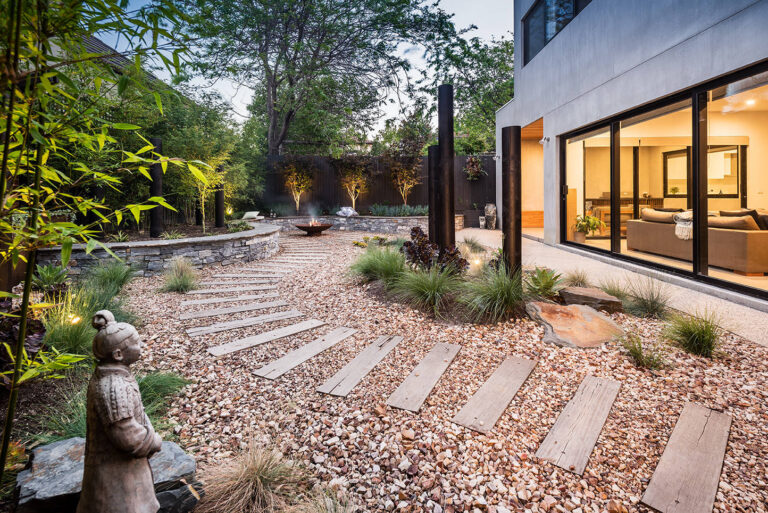
Natural stone is durable and beautiful for paths. Flagstone, slate, and river rock are popular choices. They fit well with most designs. Stone paths need little care and last a long time.
- Flagstone creates uniform, flat surfaces perfect for main pathways
- Slate pieces work well for rustic or informal garden designs
- River rock adds texture and works best in decorative pathways
- Granite pavers provide sturdy, long-lasting options
Installing Edging to Separate Garden Beds
Edging materials define garden beds from lawn areas. Metal edging looks modern and lasts long. Plastic edging is cheaper. Stone edging fits well with natural landscapes.
| Edging Material | Durability | Cost Level | Best Use |
|---|---|---|---|
| Steel Metal | Very High (10-15 years) | Moderate | Modern and formal gardens |
| Plastic Composite | Medium (5-8 years) | Low | Budget-conscious projects |
| Natural Stone | Very High (15+ years) | High | Rustic and natural designs |
| Wood | Low (3-5 years) | Low | Raised beds and borders |
To install edging, dig a shallow trench along bed boundaries. Place your chosen material in the trench and secure it. Make sure it’s a bit above ground to keep grass out. Good edging reduces weeds and maintenance.
Enhancing Your Yard with Decorative Mulch
Decorative mulch makes your garden beds look great and helps your plants stay healthy. It keeps weeds out of your soil. This means less time weeding and more time enjoying your yard.
There are many colors and styles of mulch. They give your yard a polished look that brings everything together.
The right amount of mulch is key. The University of California says to use 2 to 3 inches. This keeps your soil cool, holds moisture, and improves soil quality over time.

- Wood chips look natural and keep moisture in
- Bark mulch adds color and breaks down slowly
- Shredded leaves are affordable and eco-friendly
- Colored mulch makes your yard look vibrant
- Straw is great for vegetable gardens
| Mulch Type | Best Uses | Moisture Retention | Color Longevity |
|---|---|---|---|
| Wood Chips | Trees, shrub beds, pathways | Excellent | 12-18 months |
| Bark Mulch | Ornamental gardens, flower beds | Very Good | 18-24 months |
| Colored Mulch | Design-focused landscapes | Good | 12-18 months |
| Shredded Leaves | Budget-conscious gardens | Very Good | 6-12 months |
Put mulch down after you’ve prepared your garden. Make sure it’s 2-3 inches away from plants. Refresh it every 12-18 months. This keeps your yard looking good and protects your plants.
Maintaining Your New Landscape Design
Your new landscape needs care to stay healthy and beautiful. The good news is that it doesn’t take hours each week. Just a few hours a month on watering and cleaning keeps it thriving.
Establishing a Watering Schedule
Watering is key for plant growth, but timing is everything. Water in the morning to help plants absorb moisture before it evaporates. Most plants need about an inch of water a week, depending on your climate and plants.
- Water deeply rather than frequently to encourage strong root systems
- Check soil moisture by inserting your finger two inches into the ground
- Adjust watering based on rainfall and seasonal changes
- Use drip irrigation or soaker hoses for efficient watering
Seasonal Pruning and Cleanup Tips
Spring cleaning for your garden starts with removing dead foliage from winter. Dead leaves and branches can harbor diseases. Prune shrubs and trees in early spring to shape them and remove damaged growth. Summer requires light deadheading to encourage more blooms. Fall cleanup involves removing fallen leaves and cutting back perennials.
| Season | Main Tasks | Time Needed |
|---|---|---|
| Spring | Remove dead foliage, prune shrubs, plant new growth | 2-3 hours |
| Summer | Deadhead flowers, weed gardens, monitor watering | 1-2 hours |
| Fall | Rake leaves, cut back perennials, apply mulch | 2-3 hours |
| Winter | Plan next year, inspect plant health, minimal pruning | 1 hour |
Regular maintenance prevents plant diseases and pest problems. Keep your tools sharp and clean to avoid spreading infections. A consistent schedule makes landscape care feel manageable and keeps your yard looking its best year-round.
Conclusion
You now have the tools to make your outdoor space beautiful. Start by checking out your yard and understanding your soil and sunlight. These steps are key because they help guide your decisions.
Choosing native plants and drought-tolerant shrubs makes upkeep easy. Adding pathways, borders, and mulch brings structure and beauty. These simple steps help create a stunning yard without taking up too much of your time.
Easy garden landscaping lets your space evolve with you. Begin with a small area if you prefer. Keep up with watering and seasonal care. Your garden will become a peaceful spot where you can enjoy the outdoors.
Your home deserves a landscape that makes you happy. Start your project today and watch your garden flourish all year round.