Front Yard Landscaping Ideas That Boost Curb Appeal Instantly
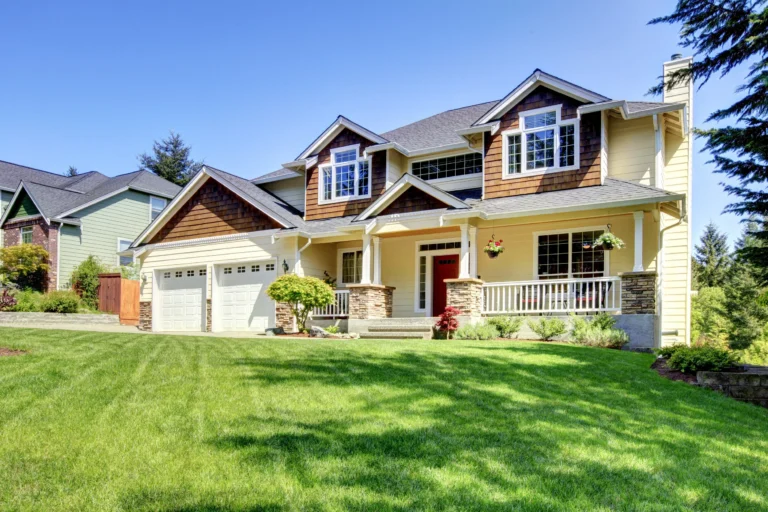
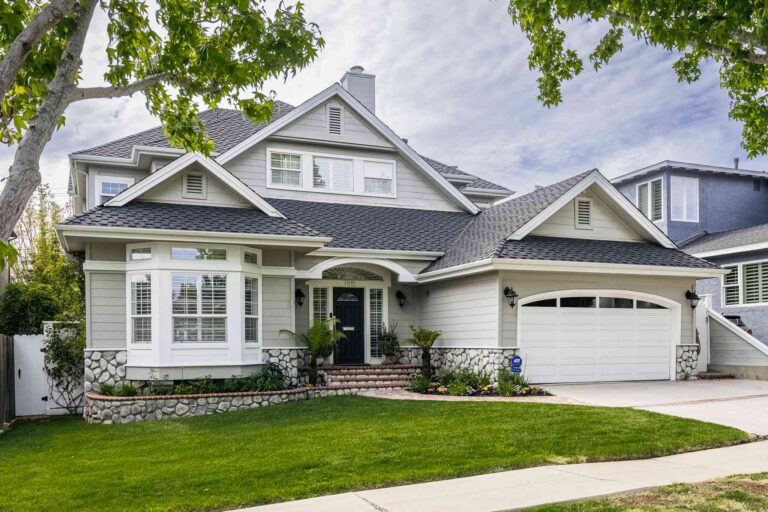
Your front yard tells a story about your home before anyone steps through the door. A well-designed yard with vibrant plants makes you feel welcomed. This feeling is what potential buyers and neighbors experience when they see your curb appeal.
Front yard landscaping can change how your home looks. A good design boosts your home’s value and makes it feel inviting. The right mix of practical and beautiful elements is key. Your entry landscaping sets the tone for your entire property.
This guide will show you how to improve your front yard landscaping. You’ll learn how to assess your space, pick the right plants, and add hardscape features. These tips work in any neighborhood across the United States. Your front yard will show off your style and boost curb appeal.

Key Takeaways
- Front yard landscaping significantly increases your home’s curb appeal and market value
- Modern front yard landscaping combines practical design with aesthetic appeal
- Entry landscaping ideas form the visual foundation of your entire property
- Strategic planning helps you make choices that work for your specific climate and sunlight
- Well-designed outdoor spaces create welcoming environments for visitors and neighbors
- Thoughtful landscaping reflects your personal style while enhancing neighborhood aesthetics
Assessing Your Property for Front Yard Landscaping
Before starting your front yard project, understand your property’s unique conditions. Every yard has different factors that affect plant growth. Evaluating your space ensures your plants thrive and your investment lasts.
A thorough site analysis helps you make smart choices about what to plant and where. You’ll avoid costly mistakes and create a landscape that works with nature. This preparation step is key for any successful landscaping project.
Evaluating Soil Quality and Drainage
Your soil is the foundation of healthy plants. Test your soil pH levels, as most plants prefer a range between 6.0 and 7.0. This balance allows plants to access the nutrients they need to grow strong and vibrant.
Drainage matters just as much as soil composition. Poor drainage leads to root rot and fungal diseases. Check how water moves through your yard by observing it after rainfall. Look for these signs in your soil assessment:
- Wet spots that stay soggy for days
- Soil that turns hard and crusty when dry
- Areas where water pools immediately
- Compacted soil that resists digging
Mapping Sunlight Patterns Across Your Lawn
Sunlight exposure shapes which plants will succeed in your front yard landscaping design. Plants labeled as “full sun” need at least 6 hours of direct light daily. Plants requiring partial shade need only 3 to 6 hours of sunlight.
Track your yard’s light patterns throughout the day. Morning sun differs from afternoon sun in intensity. Trees, buildings, and fences create shadows that shift with the seasons. Document these patterns by:
- Observing your yard at sunrise, midday, and sunset
- Noting where shadows fall during different seasons
- Identifying consistently sunny and shaded areas
- Taking photos to reference during plant selection
This careful assessment ensures your front garden design choices are sustainable. They are perfectly suited to your specific local climate and growing conditions.
Modern Front Yard Landscaping Design Principles
Creating a stunning front yard starts with understanding key design principles. These principles make spaces look polished and inviting. Modern landscaping focuses on simplicity, balance, and visual harmony.
Clean lines and geometric shapes are at the heart of contemporary design. Straight pathways and rectangular beds create order. This contrasts with cluttered yards and highlights your home’s best features.

Using a simplified color palette is a powerful strategy. Choose two to three main colors for plants and materials. Neutral tones like gray and white pair well with accent colors like deep green.
The “rule of three” guides plant placement. Group plants in odd numbers like three or five. This makes your landscape feel natural and creates focal points.
Balance and scale are crucial in modern landscaping. Your greenery should complement your home’s size and style. A small cottage needs different plantings than a large colonial.
- Focus on clean, geometric shapes
- Limit your color palette to two or three tones
- Group plants in odd numbers for natural appeal
- Match plant scale to your home’s size
- Use negative space strategically
These timeless design principles ensure your front yard stays beautiful for years. They work across different seasons and styles, providing lasting curb appeal.
Selecting Plants for Your Entry Landscaping Ideas
Choosing the right plants is key to a great front entrance. Your plants set the look of your home’s exterior. Picking wisely means your yard stays beautiful with little effort. Focusing on plants that fit your climate saves you time and effort.
Native plants are the best choice because they love your local weather. They need 30% less water than other plants. This cuts down on your water bill and upkeep, keeping your garden healthy all year.

Choosing Native Perennials for Low Maintenance
Native perennials come back every year without needing to be replanted. They’re perfect for low-care landscaping. These plants are made for your area, so they handle the weather well.
- Need less water after first year of growth
- Attract local butterflies and birds to your yard
- Resist pests and diseases common to your area
- Cost less money over time
Incorporating Ornamental Grasses for Texture
Ornamental grasses add movement and interest to your yard. They create soft lines that contrast with solid plants and hardscape. These grasses sway in the breeze, bringing your landscaping to life.
| Grass Type | Height | Best Season | Maintenance Level |
|---|---|---|---|
| Feather Reed Grass | 4-5 feet | Summer to Fall | Low |
| Blue Fescue | 8-12 inches | Spring to Summer | Very Low |
| Switchgrass | 3-6 feet | Fall to Winter | Low |
Plant flowers that bloom at different times. Spring bulbs start the season off right. Summer perennials take over as spring fades. Fall bloomers keep the color going as it gets cooler. This keeps your yard looking great from spring to autumn.
Enhancing Curb Appeal with Hardscape Features
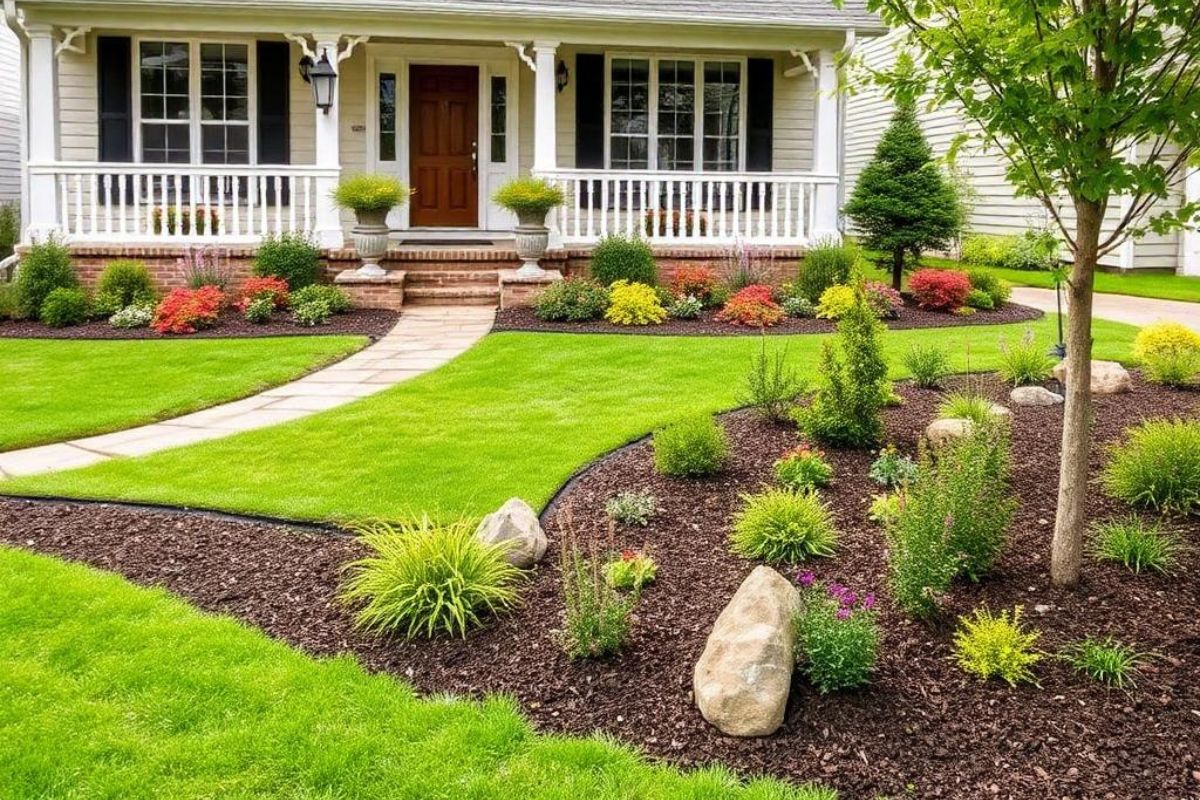
Hardscape elements are key to beautiful front yard landscaping. They include stone walkways, retaining walls, and decorative pavers. These features guide visitors to your entrance and add beauty and durability to your outdoor space.
Your entry landscaping should focus on clear pathways. A good walkway is at least 36 inches wide. This size lets two people walk comfortably side-by-side to your front door.
Choosing quality materials is important. Natural slate and concrete pavers increase your home’s value. They last long and need little upkeep.
Key Hardscape Elements to Consider
- Stone walkways that lead directly to your entrance
- Retaining walls for terraced planting areas
- Decorative pavers in varied patterns and colors
- Gravel pathways for a casual, natural appearance
- Border edging to define garden beds
Hardscape Material Comparison
| Material | Durability | Maintenance Level | Cost Range |
|---|---|---|---|
| Natural Slate | Very High | Low | Premium |
| Concrete Pavers | High | Low | Moderate |
| Gravel | Moderate | High | Budget-Friendly |
| Brick | High | Moderate | Moderate |
Placing hardscape features wisely draws attention to your front door. They connect your home and landscaping design. Proper planning ensures your hardscape matches your plant choices and overall look.
Conclusion
Creating a great front garden takes time and thought. You must carefully assess your space. Knowing your soil, drainage, and sunlight is key to making good choices. A solid plan is the first step in your project.
Your plant and hardscape choices should work together. Native perennials and ornamental grasses add beauty and need less care. Pathways, patios, and borders frame your home and guide visitors. These elements make your property look polished and welcoming.
After installation, maintenance is crucial. Regular watering, weeding, and mulch refreshment keep your garden looking great. This dedication ensures your landscape remains an attractive asset for years.