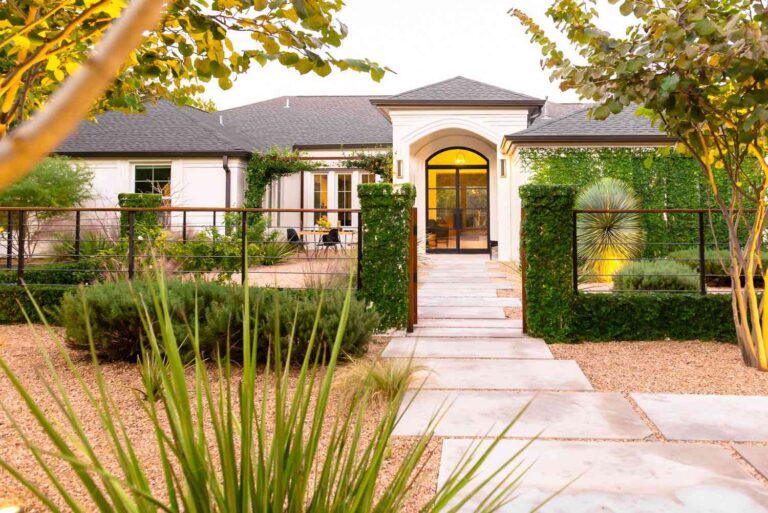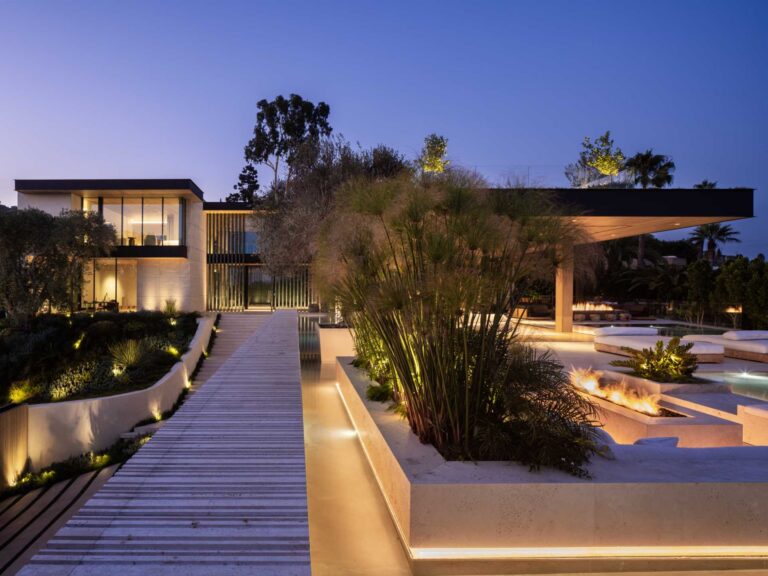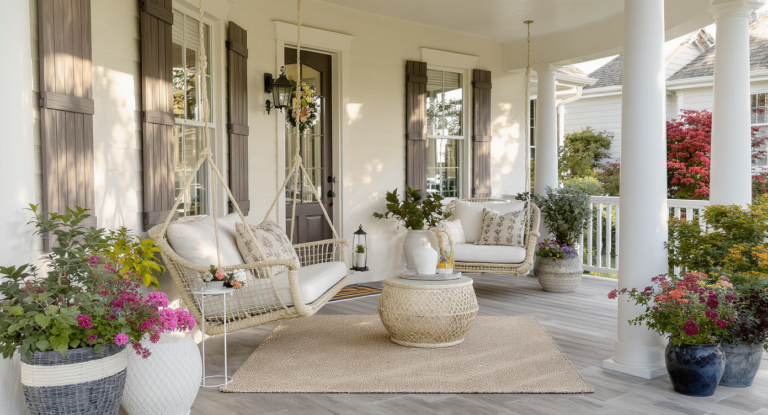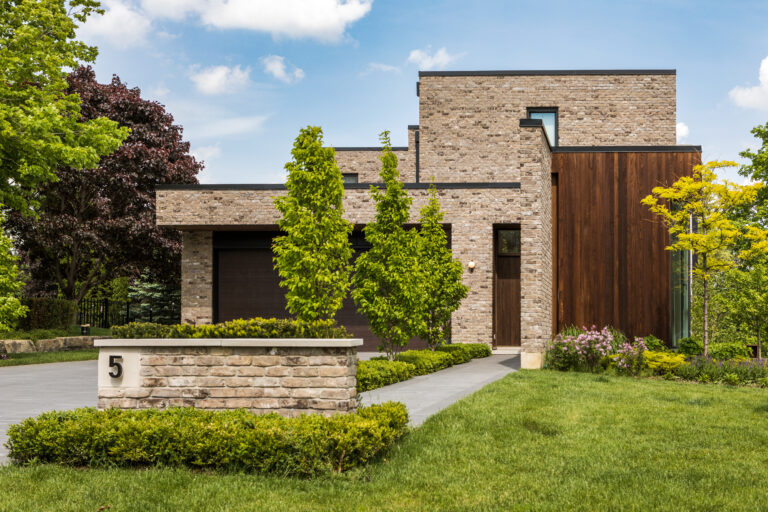
Exterior Wall Design Ideas That Add Architectural Character
Your home’s exterior is the first thing people see. It tells a story about who you are and what you value. This first impression can shape how others see your property. It can even affect its market value in unexpected ways.
The right exterior wall design ideas can make your home stand out. A well-planned facade wall design adds visual depth and personality. It’s not just about painting walls or adding siding. It’s about creating a look that shows your personal style and architectural vision.
According to the American Institute of Architects, thoughtful exterior planning is key to architectural character. Your home deserves a design that considers materials, colors, textures, and sustainable practices. These elements come together to create something truly special.

This guide will show you how to elevate your home’s exterior. You’ll learn about choosing materials, color theory, lighting, and eco-friendly options. Each part builds on the last to help you create a facade that’s both beautiful and durable.
Key Takeaways
- Exterior wall design ideas can increase your home’s curb appeal and market value
- Your facade wall design should reflect your personal architectural style
- Quality materials like natural stone and fiber cement offer durability and beauty
- Strategic use of color and lighting creates visual depth and interest
- Sustainable practices benefit the environment and reduce long-term costs
- First impressions matter in real estate and personal pride in your home
- A cohesive design approach ties all exterior elements together
Understanding the Impact of Curb Appeal
Your home’s exterior is the first thing people notice. It sets the tone for how visitors and potential buyers feel. Research shows homes with great curb appeal sell for up to 7% more. This highlights the importance of your exterior design.
The look of your home from the street affects how it fits into the neighborhood. A well-designed exterior shows care and quality. These visual cues influence buyer decisions and how the neighborhood views your home.
Your exterior walls are key to your home’s visual identity. Before making design choices, understand your home’s architectural style. Then, set a clear direction for your renovation project.
Defining Your Architectural Style
Finding your home’s architectural style is crucial for any exterior renovation. Your style choice impacts material selection, color palettes, and design features. Common styles in America include:
- Modern designs with clean lines and minimalist features
- Craftsman homes with detailed woodwork and natural materials
- Colonial styles with symmetrical layouts and traditional elements
- Contemporary designs blending function with artistic expression
- Farmhouse aesthetics combining rustic charm with modern comfort
Knowing your style helps avoid mismatched design choices. It guides material, color, and decorative element decisions. This consistency creates a true appearance that shows your home’s character.
The Role of First Impressions
First impressions are made quickly. Your exterior design affects how people see your home’s value and your neighborhood. A well-thought-out exterior creates positive feelings and credibility.
Visual impact is more than beauty. It influences property value, neighborhood appeal, and personal satisfaction. Strategic design choices make a strong first impression and help your property succeed in the long run.
Creative Exterior Wall Design Ideas for Your Home
Your home’s exterior walls are the first thing people see. You can make them stand out without tearing down walls. Smart design ideas can refresh your home while keeping it strong. It’s all about mixing creativity with practical building skills.
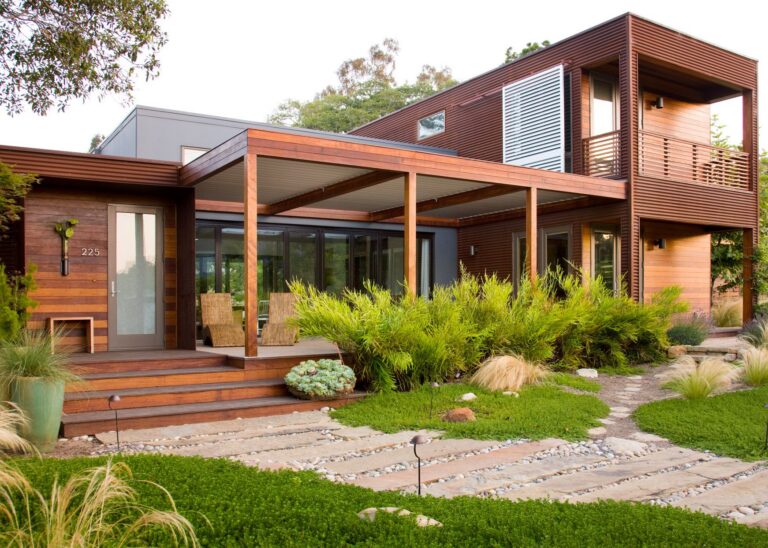
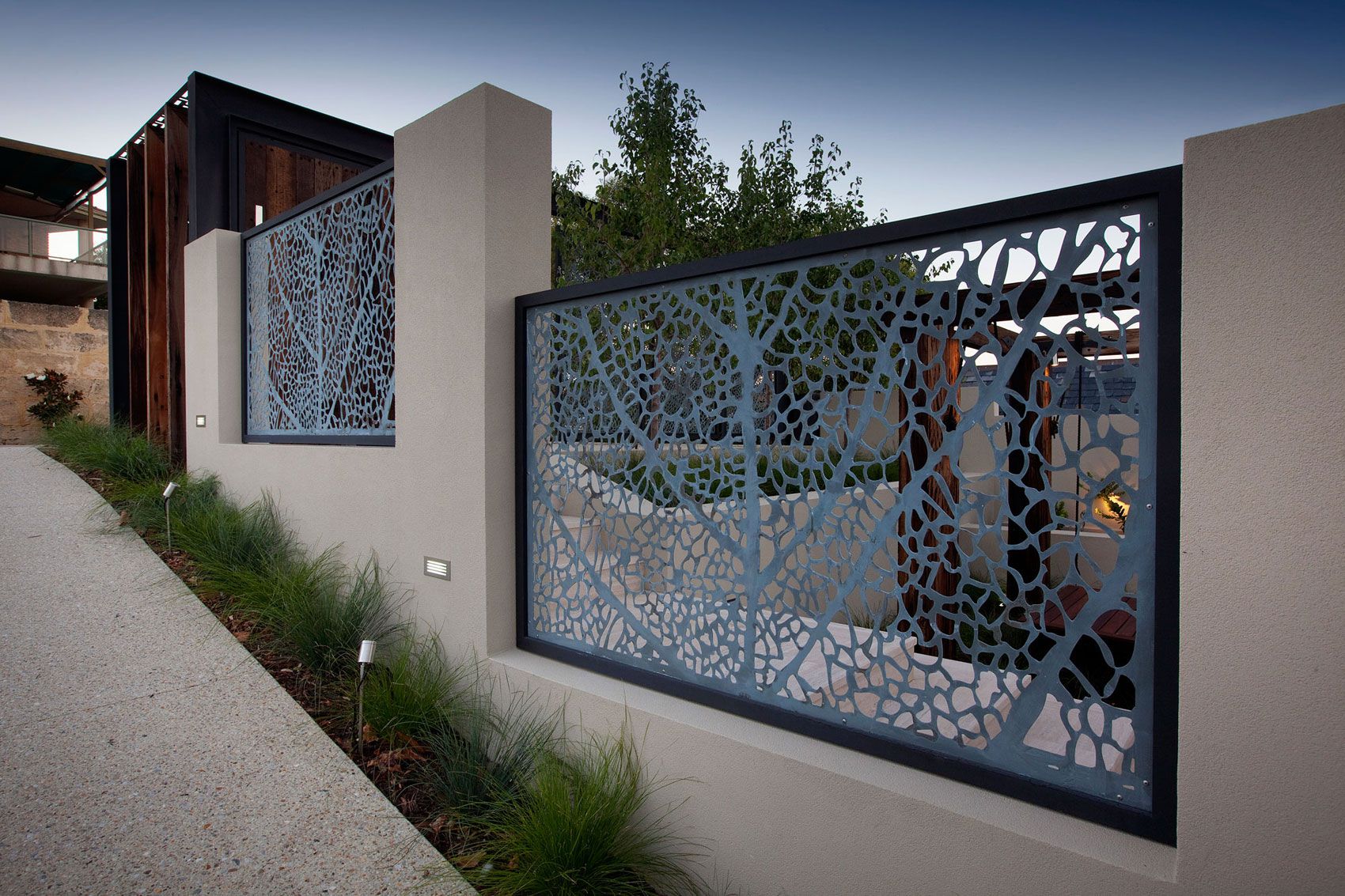
Using vertical wood slats or geometric paneling can add depth to your walls. Vertical slats make your home look taller. Geometric patterns give it a modern look that many in the U.S. love.

Mixing materials like brick, stone, metal, and wood is popular. It draws attention to your entrance. This is great for showing off special features without overwhelming your home’s look.
Key Design Strategies to Consider
- Layer different textures for visual interest and depth
- Use contrasting materials to frame your entrance
- Apply horizontal or vertical lines for movement
- Incorporate accent walls to showcase architectural details
- Blend modern and traditional elements for unique character
Designs that mix art and function make your home more appealing. You can update your home without big changes. Choose upgrades that show off your home’s best sides.
| Design Approach | Visual Impact | Installation Complexity | Best For |
|---|---|---|---|
| Vertical Wood Slats | Creates height and movement | Moderate | Contemporary homes |
| Geometric Paneling | Adds modern dimension | Moderate to High | Statement walls |
| Mixed Materials | Draws focal attention | High | Entryway highlights |
| Accent Walls | Emphasizes key features | Low to Moderate | Quick transformations |
Whether you go for small changes or big ones, these ideas can boost your home’s look. Your exterior walls are just as important as your inside. Using these creative ideas, you’ll make your home more valuable and attractive for years to come.
Selecting Durable Materials for Your Facade Wall Design
Your home’s exterior needs materials that can handle weather, time, and wear. The right choice for your facade wall design makes a big difference. Different parts of the United States face different challenges, from harsh winters to intense sun.
You want materials that perform well in your climate and look great for decades. Your decision depends on your budget, style, and maintenance goals. Two popular options stand out for their proven track records in American homes.
Benefits of Natural Stone Veneer
Natural stone veneer gives your home a timeless, upscale look. Real stone adds depth and character that other materials can’t match. Stone is fire-resistant and lasts for generations with minimal care.
- Excellent fire resistance rating
- Increases home value significantly
- Requires minimal maintenance over time
- Works in any climate condition
- Adds premium visual appeal
Advantages of Fiber Cement Siding
Fiber cement siding is a top choice for builders nationwide. This material resists rot, termites, and extreme weather. You get the look of wood without the vulnerability to insects and decay.
- Resists rot and termite damage
- Handles high winds and storms
- Costs less than natural stone
- Available in many styles and colors
- Lasts 25-40 years with proper care
| Material | Lifespan | Fire Resistance | Maintenance | Cost Range |
|---|---|---|---|---|
| Natural Stone Veneer | 50+ years | Excellent | Minimal | $15-25 per sq. ft. |
| Fiber Cement Siding | 25-40 years | Good | Moderate | $8-15 per sq. ft. |
Your facade wall design project needs long-term thinking. Budget matters, but durability saves money in the long run. Natural stone is perfect for homes seeking luxury. Fiber cement offers practical performance at a reasonable price. Both materials protect your home and enhance curb appeal for years.
Incorporating Natural Textures into Your Exterior
Natural textures add life and character to your home’s look. Using different materials creates depth and feel. Your home becomes more interesting and dynamic as light changes.
The United States Department of Energy says textures can help with heat. The right materials make your home both beautiful and functional.
- Cedar shingles for a warm, classic appearance
- Rough-hewn stone veneer for rustic charm
- Reclaimed brick that tells a story through age and wear
- Stacked slate for modern elegance
- Mixed material combinations for unique character
Using different materials adds interest without being too much. You can mix smooth plaster with rough stone. Or blend wood with textured siding. This is great for highlighting special features.
| Natural Material | Best For | Durability | Maintenance Level |
|---|---|---|---|
| Cedar Shingles | Coastal and traditional homes | 20-40 years | Moderate |
| Stone Veneer | Accent walls and entries | 50+ years | Low |
| Reclaimed Brick | Heritage and character homes | 100+ years | Low |
| Slate Panels | Contemporary designs | 75+ years | Very Low |
Your choice of natural textures should match your home’s surroundings. Textured materials look great with landscaping and nature. They make your home blend well with its environment, creating a sophisticated look.
Modern Color Palettes for Architectural Depth
Your home’s exterior colors really set its look and feel. A good color scheme can make your facade stand out. It highlights your home’s best features and adds depth.
Choosing the right colors is key. They should work well with your home’s shape and design. This brings out the unique details like windows and doors.
Weather can change how colors look over time. UV rays, rain, and temperature can fade paint. Pick quality products to keep your home looking great for years.
Using Contrast to Highlight Features
Contrast makes your exterior walls pop. Use light colors for walls and dark for trim. This draws attention to special parts of your home.
- Paint trim and doors in shades darker than main walls
- Use accent colors on architectural details and corners
- Highlight shutters or paneling with bold color choices
- Apply lighter shades to main wall surfaces for balance
Selecting Weather Resistant Finishes
Good exterior finishes stand up to bad weather. Premium paints and stains keep your colors looking good:
| Finish Type | Best For | Weather Resistance | Lifespan |
|---|---|---|---|
| Acrylic Latex Paint | Flat surfaces and trim | Very High | 8-10 years |
| Oil-Based Stain | Wood siding and details | High | 5-7 years |
| Elastomeric Coating | Textured surfaces | Excellent | 10-15 years |
| Exterior Enamel | Metal and trim work | Very High | 7-10 years |
Look for paints with UV and mildew protection. This is especially important in humid or sunny areas. Brands like Sherwin-Williams, Benjamin Moore, and Behr have products that keep colors bright. These finishes prevent fading and keep your home looking beautiful all year.
Enhancing Visual Interest with Lighting Techniques
Outdoor lighting turns your home’s outside into a beautiful sight from dusk to dawn. It highlights your home’s features and adds depth. Your home’s outside should get the same lighting care as the inside.
Outdoor lighting does more than look good. It also makes your home safer and helps guests see when they arrive. The right lights in the right spots can make your design pop.

Positioning Lights for Maximum Impact
Where you put your lights makes a big difference. Wall sconces at regular spots make your home look taller. Lights under stone or textured surfaces add shadows that make things look deeper.
Here are some tips for lighting your exterior walls:
- Put uplights at the base of textured stone to show off its patterns
- Install sconces by entry doors to welcome visitors
- Light up architectural corners and details
- Use soft lights on walkways for safety and looks
- Point lights at accent colors or focal points
Selecting the Right Fixtures and Finishes
LED lights are energy-saving and warm, perfect for homes. They make your home feel welcoming and save on electricity. Modern LEDs are bright without using too much power.
| Fixture Type | Best Application | Energy Efficiency | Light Color |
|---|---|---|---|
| Wall-Mounted Sconces | Side-by-side of entryways and architectural focal points | Very High with LED | Warm White (2700K) |
| Uplighting | Stone textures, columns, and material highlights | Very High with LED | Warm White (2700K) |
| Accent Lights | Drawing attention to color changes and design details | High with LED | Warm or Cool White |
| Path Lighting | Along walkways and perimeter areas | Very High with LED | Warm White (2700K) |
Your lighting design works with your materials and colors. It makes your home’s outside look even better at night. Lighting brings your design to life when it’s dark.
Sustainable Practices for Modern Home Exteriors
Building a green home starts with your exterior walls. Today’s homeowners want to reduce their environmental impact and save on energy bills. Sustainable choices in your facade wall design create a beautiful home that protects the planet. Green building practices are key for modern construction in the United States.
Your exterior is your first line of defense against weather and temperature changes. Smart material choices and proper installation make a big difference in energy use. By choosing sustainable options, you save money and help the environment.
Energy Efficient Insulation Solutions
Proper insulation behind your exterior walls reduces heating and cooling costs. Quality insulation keeps warm air in during winter and blocks heat in summer. This simple upgrade can cut energy expenses by 10-15% annually.
Consider these insulation options for your home:
- Spray foam insulation creates an airtight seal
- Recycled denim insulation offers natural fire resistance
- Cork insulation provides excellent thermal performance
- Mineral wool insulation blocks sound and heat transfer
Eco Friendly Cladding Options
Your cladding material choice shapes your home’s appearance and environmental footprint. Sustainable materials reduce waste and support responsible forestry practices.
| Cladding Material | Durability | Environmental Impact | Cost Range |
|---|---|---|---|
| Recycled Metal | 25-40 years | Uses reclaimed materials | $8-12 per sq ft |
| Sustainably Harvested Wood | 20-30 years | Renewable resource | $6-15 per sq ft |
| Recycled Composite | 30-40 years | Diverts waste from landfills | $10-16 per sq ft |
| Reclaimed Brick | 50+ years | Zero new production needed | $12-18 per sq ft |
Recycled metal siding combines durability with environmental benefits. It requires no new mining operations and resists rust and damage. Sustainably harvested wood brings warmth to your home while supporting responsible forest management. Both materials reduce your carbon footprint compared to virgin products.
Green exterior choices protect your investment and help the environment. Your sustainable home exterior becomes a model for your neighborhood and contributes to a healthier planet for future generations.
Conclusion
Your home’s exterior is the first thing people notice. Investing in quality exterior wall design ideas creates a lasting impression. It boosts both curb appeal and property value.
The choices you make today shape how your home looks for years to come. Building a stunning facade requires attention to several key factors.
Durable materials like natural stone veneer and fiber cement siding protect your walls from weather damage. Modern color palettes add depth and visual interest to your home’s appearance. Lighting techniques highlight your best architectural features after sunset.
Sustainability matters for homeowners who care about the environment and energy costs. Energy-efficient insulation and eco-friendly cladding options reduce your carbon footprint. These green choices work well with any design style you select for your property.
You now have the knowledge to transform your home with confidence. Start planning your exterior wall design ideas today. Your home deserves an exterior that reflects your personal style and protects your investment for the long term.