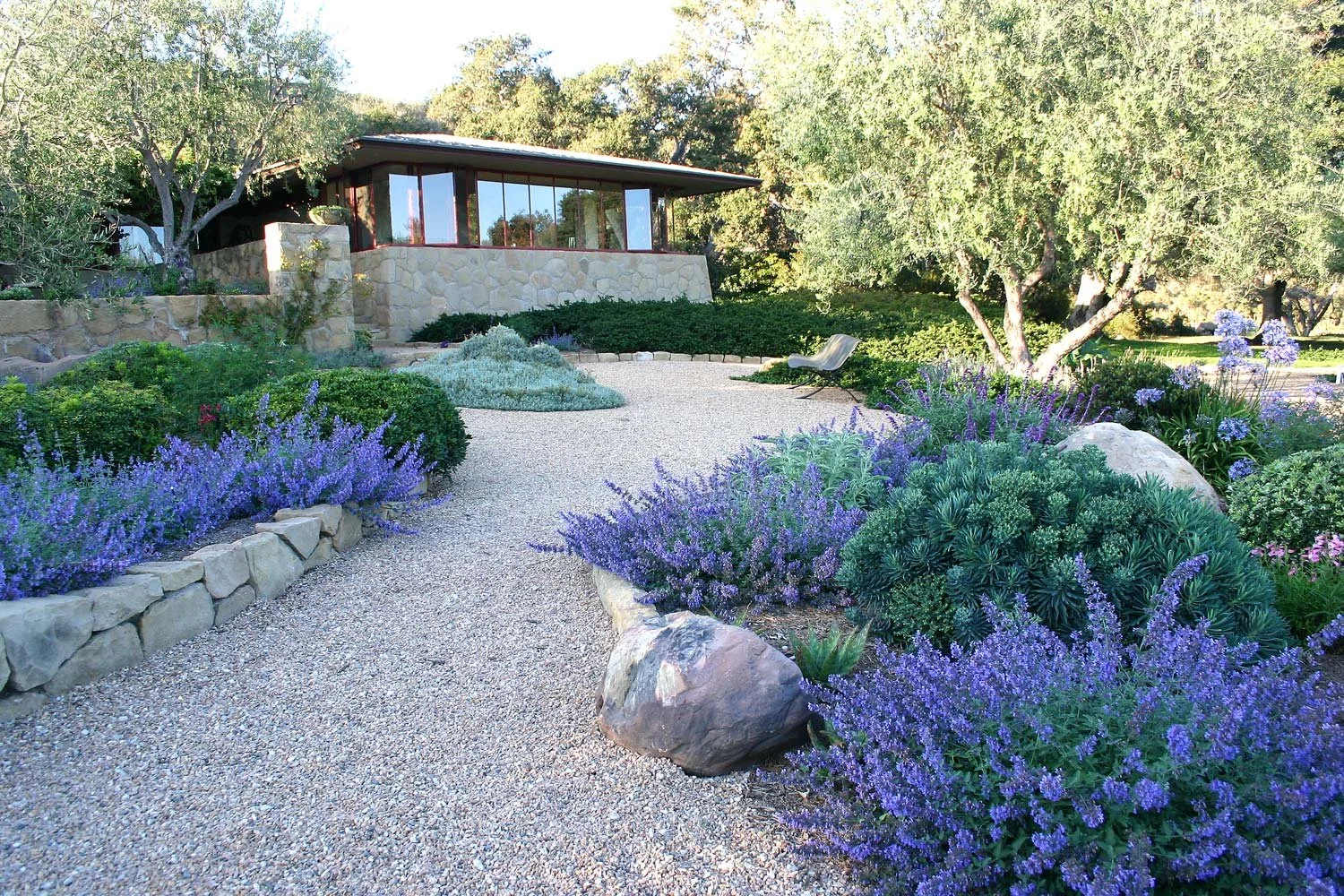
Drought Tolerant Garden Ideas for Beautiful Landscaping That Saves Water
Your garden tells a story about who you are. When water restrictions get tighter and summer heat hits hard, you have a choice. You can let your yard suffer, or you can create something better. A drought tolerant garden is not about giving up beauty for survival. It’s about working with nature to make a space that thrives all year, using less water.
Many think cutting water means a dull, brown yard. But that’s not true. Your drought tolerant garden can be full of color, texture, and life. The secret is in choosing the right plants and caring for the soil. When you choose drought resistant landscaping, you protect your home and the environment.
Water scarcity hits communities all over the United States. Places like California, Arizona, and Nevada have faced severe droughts. Even areas that used to get plenty of rain now see unpredictable weather. A drought tolerant garden means your yard stays lush and green, no matter the weather.
This guide will show you how to create your drought tolerant garden. You’ll learn which plants do well in dry conditions. You’ll discover how to keep the soil moist and use water wisely. Your yard will become a beautiful, low-maintenance space. Plus, your water bills will go down while your landscape gets stronger.

Key Takeaways
- A drought tolerant garden combines beauty with water conservation for sustainable landscaping.
- Native plants adapted to your local climate thrive with minimal supplemental watering.
- Proper soil preparation and mulch application reduce water loss through evaporation.
- Efficient irrigation systems deliver water directly to plant roots where it matters most.
- Xeriscape design principles create stunning outdoor spaces that use significantly less water.
- Water wise landscaping increases your property value while reducing maintenance costs.
- Sustainable gardens support local ecosystems and help protect regional water supplies.
Understanding the Benefits of a Drought Tolerant Garden
Creating a drought tolerant garden is great for your home and community. It helps save water, which is crucial today. The Environmental Protection Agency says landscapes use nearly 9 billion gallons of water daily in the U.S. By using sustainable landscaping, you protect water and enjoy a beautiful outdoor space.
A drought tolerant garden offers more than just water savings. Your family will see lower utility bills and less maintenance. It’s a smart choice for today’s homeowners.
Environmental Advantages of Water Conservation
Water conservation in landscaping has big environmental benefits. A drought tolerant garden reduces water demand and supports local ecosystems. It also lowers energy costs for water treatment and delivery. Your garden helps preserve natural resources for the future.
- Reduces demand on municipal water systems
- Lowers energy consumption for water processing
- Protects groundwater supplies in your region
- Supports native wildlife habitats
- Decreases pollutant runoff into local waterways
Enhancing Your Property Value with Sustainable Design
Eco-conscious buyers value sustainable landscaping. A well-designed drought tolerant garden attracts them. It shows responsible resource management and makes a strong impression.
Your investment in sustainable design saves money and boosts property appeal. Beautiful, low-water yards offer both beauty and practical savings. They benefit you now and attract buyers later.
Essential Principles of Xeriscape Garden Design
A xeriscape garden uses seven key principles to save water and look great. The Denver Water Department started this idea in 1981. It helps people use less water in dry areas. By following these ideas, you can make your garden both beautiful and water-efficient.
Creating a good xeriscape garden begins with planning. Group plants by how much water they need. This way, plants that need more water are together, and those that don’t are separate. This helps avoid wasting water and keeps your garden healthy with little work.
Success in your xeriscape garden comes from working with your local weather. Plants that are native to your area need less water and care. They also handle local rain and soil better than plants from other places.
Here are the main principles to follow when designing your space:
- Plan your layout carefully before planting anything
- Improve your soil with organic matter for better water retention
- Select appropriate plants for your climate zone
- Use mulch to reduce water loss through evaporation
- Install efficient irrigation systems where needed
- Maintain your garden regularly to keep it healthy
- Limit turf grass to functional areas only
By using these principles, your xeriscape garden will be beautiful all year. It will also save you money on water bills. Your garden will be easy to care for and fit well with your local environment.
Selecting Native Plants for Your Dry Climate Landscaping
Choosing the right plants is key to a successful water-wise garden. Native species fit your region’s rainfall and soil perfectly. They thrive without needing constant water.
Native plants can cut water use by up to 60% compared to grass. This choice keeps your garden healthy, even in hot, dry months.
Your local climate determines which plants will do well in your yard. Knowing your area’s rainfall and temperature helps pick the best plants. Native plants have evolved to handle your region’s conditions year-round.
Choosing Species Adapted to Local Rainfall
Start by looking into plants native to your area. These need much less water than non-native plants. Local nurseries can help find the best plants for your climate zone.
- Research your USDA hardiness zone
- Identify plants native to your region
- Visit local botanical gardens for inspiration
- Ask nursery staff about rainfall requirements
- Check plant tags for water needs
Creating Visual Interest with Texture and Color
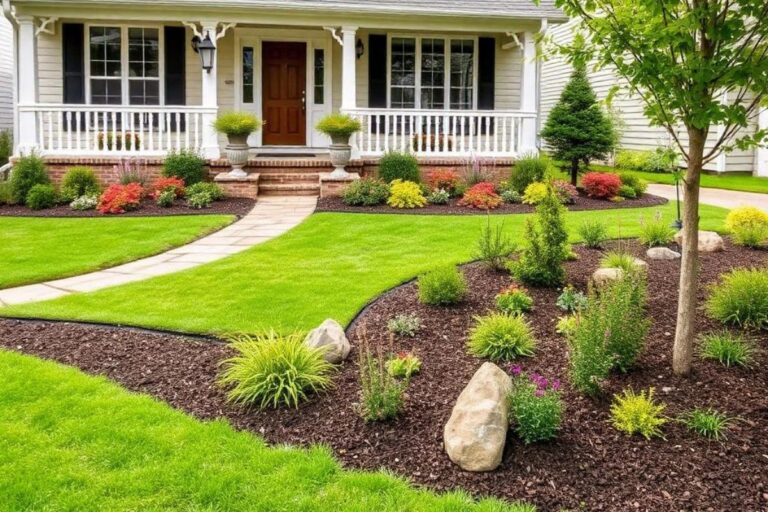
Dry climate landscaping can be beautiful. Mix plants with different textures and colors for stunning visuals. Ornamental grasses add movement, while succulents offer sculptural interest. Native wildflowers bring bright colors all season.
| Plant Type | Texture Quality | Water Needs | Best Season |
|---|---|---|---|
| Ornamental Grasses | Feathery, flowing | Low to moderate | Spring to fall |
| Succulents | Bold, structural | Very low | Year-round interest |
| Native Wildflowers | Delicate, varied | Low | Spring and summer |
| Desert Shrubs | Dense, compact | Very low | Evergreen appeal |
Arrange plants to add depth and interest. Place taller plants in the back, mid-height in the middle, and groundcovers up front. This creates a beautiful landscape that saves water in your dry climate project.
Implementing Efficient Irrigation for a Water Wise Garden
Creating a water wise garden means making smart choices about irrigation. Ditching old-fashioned overhead sprinklers is a great start. These methods waste water since it evaporates before reaching the roots.
Your drought tolerant garden needs better. It needs systems that deliver water right to the roots.
Drip irrigation is the top choice for saving water. It sends water straight to the soil around each plant’s base. This method is way more efficient than traditional sprinklers.
| Irrigation Method | Water Efficiency Rate | Water Loss |
|---|---|---|
| Drip Irrigation | 90% | 10% |
| Traditional Sprinklers | 50-70% | 30-50% |
Smart irrigation controllers take your garden to the next level. They use weather info to adjust watering schedules. Rain sensors stop watering after storms. Soil moisture sensors ensure plants get water only when needed.
These systems save water and keep your plants healthy. They make your drought tolerant garden a smart investment. You’ll save on water bills and enjoy healthier plants.
- Position drip lines along plant rows for maximum coverage
- Set smart controllers to water early morning hours
- Check hoses regularly for leaks or damage
- Adjust schedules seasonally based on rainfall patterns

Your commitment to efficient irrigation brings lasting benefits. You’ll save water every month. Plants will thrive with the right amount of water. Your garden will be beautiful and eco-friendly.
Soil Preparation Techniques for Moisture Retention
Your soil is key to a great dry climate landscaping project. Good soil holds water for your plants during hot, dry times. Preparing your soil right means you water less and your plants thrive with less care.
Improving soil structure is the first step. This keeps water in the root zone where plants can use it. Building a strong structure takes time but makes your plants healthier and more drought-resistant.
Improving Soil Structure with Organic Matter
Adding organic matter helps your soil hold water better. Compost and aged manure are great choices. Mixing these into your soil creates spaces for moisture and nutrients.
Work organic matter into the top 8 to 12 inches of your soil. This is where most roots live and feed. The materials break down slowly, releasing nutrients and improving texture. Your soil becomes darker, crumbly, and easier to work with.
- Mix in 2 to 4 inches of compost
- Use aged manure for extra nutrients
- Work amendments deep into the soil
- Repeat annually for best results
The Role of Mulch in Preventing Evaporation
Mulch helps fight dry conditions. A thick layer on top blocks sun and wind, stopping water loss. Organic mulches like wood chips, bark, and straw can reduce evaporation by up to 70 percent in hot months.
Apply 3 to 4 inches of mulch around your plants. Keep it a few inches from stems to avoid rot. As it breaks down, it adds more organic matter to your soil, improving it further.
| Mulch Type | Water Loss Reduction | Lifespan | Best Use |
|---|---|---|---|
| Wood Chips | 65-70% | 2-3 years | Trees and shrubs |
| Bark Mulch | 60-65% | 2-3 years | Flower beds |
| Straw | 55-60% | 1-2 years | Vegetable gardens |
| Wood Shavings | 50-55% | 1-2 years | Ground cover areas |
Strong soil preparation is key to a successful dry climate landscaping plan. With the right organic matter and mulch, your garden becomes more water-efficient and easier to care for all year.
Maintaining Your Sustainable Outdoor Space
After setting up your xeriscape garden, you’ll find upkeep is easier than a traditional lawn. You’ll move from constant watering to smart, seasonal tasks. Your garden will look great with less effort and resources.
Regular checks are key to a healthy garden. By inspecting your landscape often, you catch problems early. This stops small issues from becoming big problems or plant loss.

- Pruning native shrubs and plants to maintain shape and encourage healthy growth
- Refreshing mulch layers to replace material that has broken down
- Inspecting irrigation lines for leaks, clogs, or damage
- Removing dead branches and fallen leaves to keep beds neat
- Weeding around your plants to reduce competition for water and nutrients
Your irrigation system needs regular checks. Look for clogs or damage in drip lines and soaker hoses. This ensures water gets to your plants right. Adjust watering based on the season to match rainfall.
Mulch is crucial for your garden’s health. Add fresh mulch every year to keep it effective. It helps retain moisture, keeps soil cool, and fights weeds.
As your xeriscape garden grows, it becomes easier to care for. Your smart design and plant choices save you time and water.
Conclusion
Creating a drought tolerant garden is a smart move for your wallet and the planet. It turns your yard into a strong and beautiful place. By following the tips in this guide, you’ll see lasting benefits for your property every year.
Starting a water wise garden takes some work at first, but it’s worth it. You’ll water less and save money on your water bill. Native plants and smart watering systems make your garden easy to care for.
Your garden shows that beauty and sustainability can go together. It’s a space that fits well with nature, not against it. Begin these changes today and enjoy a garden that’s both stunning and eco-friendly.