Small House Exterior Design Ideas That Make Tiny Homes Look Stunning
There’s something special about a small home that feels intentional and beautifully crafted. You might live in a compact house and wonder if your space can truly shine from the street. The truth is that small house exterior design holds tremendous power to transform your modest structure into something that turns heads and feels distinctly yours.
Your compact home deserves an exterior that reflects thoughtfulness and care. When you invest in smart design choices, even a tight footprint can become visually striking. The American Institute of Architects emphasizes that scale and proportion matter most for homes under 1,000 square feet. Getting these details right makes your space feel purposeful rather than cramped.
The good news is that you don’t need a sprawling lot or a massive budget to achieve stunning curb appeal. Strategic choices about color, materials, landscaping, and lighting can elevate your property into an architectural gem. Your small house exterior design can become a reflection of your personality and style.

Key Takeaways
- Smart small house exterior design transforms compact homes into visually striking properties
- Proper scale and proportion are critical for homes under 1,000 square feet
- Color palettes and contrast can add significant depth to modest structures
- Strategic landscaping maximizes curb appeal on small lots
- Weather-resistant finishes protect your investment and maintain beauty long-term
- Vertical elements and architectural texture make tiny homes feel larger
- Thoughtful lighting highlights your home’s best features and improves safety
Maximizing Curb Appeal for Your Home
Your home’s curb appeal is the first thing people see. Small houses can look welcoming and spacious with smart design. You don’t need a big lot to make your outdoor space stunning.
Strategic landscaping and entryway design can turn your small exterior into a beautiful showcase.
Landscaping Tips for Small Lots
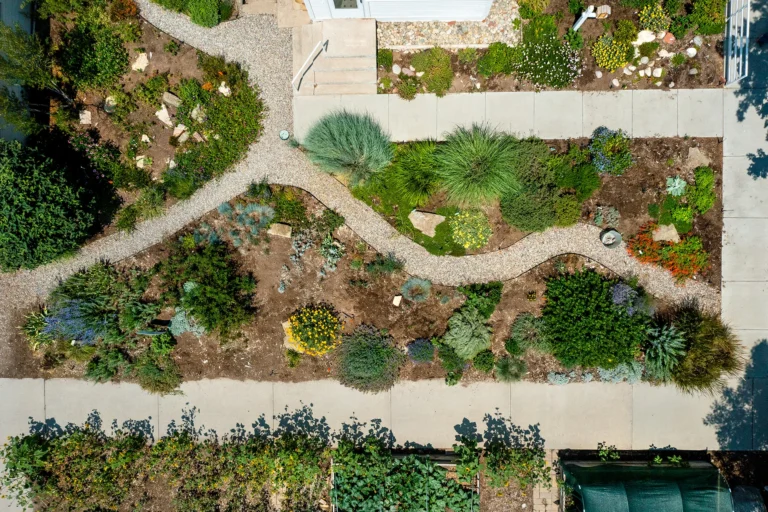
Small spaces need creative solutions. Vertical gardens and tiered planters add greenery without taking up a lot of space. They work great on lots under 5,000 square feet.
- Install wall-mounted planters along your home’s exterior
- Use tiered garden beds to create depth and dimension
- Choose native plants that need less maintenance
- Add climbing vines to soften hard edges
- Keep pathways clear and well-defined
Low-maintenance shrubs and perennials keep your yard looking good with less work. Mulch in neutral tones helps tie everything together and makes spaces feel bigger.
Creating Inviting Entryways
Your front door is key. A bold door color grabs attention and creates a focal point. Pair it with quality hardware in brushed nickel or bronze.
- Paint your door in jewel tones like emerald or navy
- Install matching house numbers and lighting fixtures
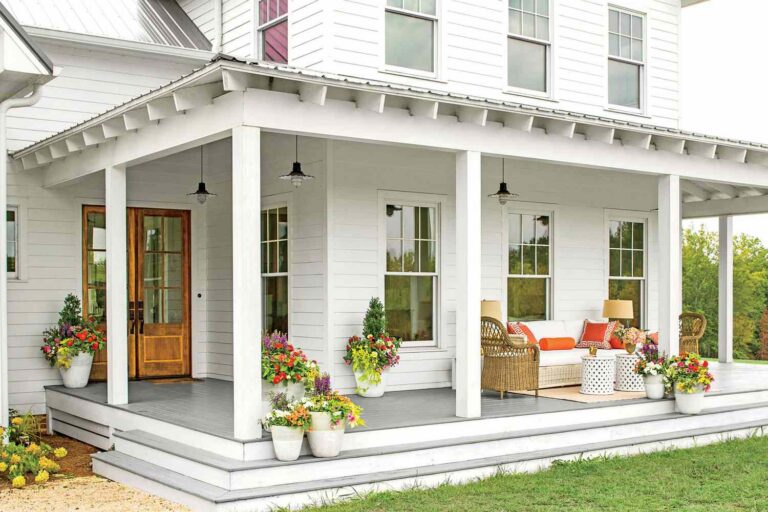
- Add a small bench or planter near the entrance
- Keep the entry clean and clutter-free
- Use layered lighting for warmth and safety
These changes make your entryway welcoming to all who visit.
Essential Small House Exterior Design Principles
Creating a stunning compact house exterior begins with understanding key design principles. Your home’s look depends on making smart choices. These choices should bring visual harmony and make small spaces seem bigger.
A well-designed exterior avoids too much clutter. By removing extra decorations, your home feels more open and spacious. View your exterior as a canvas where every detail has a purpose.

Keeping a consistent roofline across your home is a powerful principle. It unites your home and makes it seem larger than it is. A straight roofline helps your eyes move horizontally, making your home appear bigger.
Apply these essential design strategies to your home:
- Keep color palettes simple with two or three main shades
- Choose materials that complement each other visually
- Eliminate redundant architectural details
- Use vertical elements to draw eyes upward
- Maintain clean sightlines from the street
- Select proportional windows and doors
Successful design for a compact house exterior is about restraint. Staying true to a cohesive aesthetic prevents your home from looking too busy. Each element should work together as one unified design.
Balance function with beauty when designing your exterior. Your choices should improve both curb appeal and practical living. Simple designs often last, making your investment worthwhile for years.
Choosing the Right Color Palette
Your color palette is a key tool for making small house exteriors look great. Choosing the right colors can make your tiny home look bigger and more impressive. The right mix of colors adds personality and visual interest.
Choosing colors is more than just picking what you like. You must consider how colors work with your home’s size and shape. Light colors make spaces feel open, while dark colors add depth. Mixing both creates a balanced look on your small house exterior.
Using Contrast to Add Depth
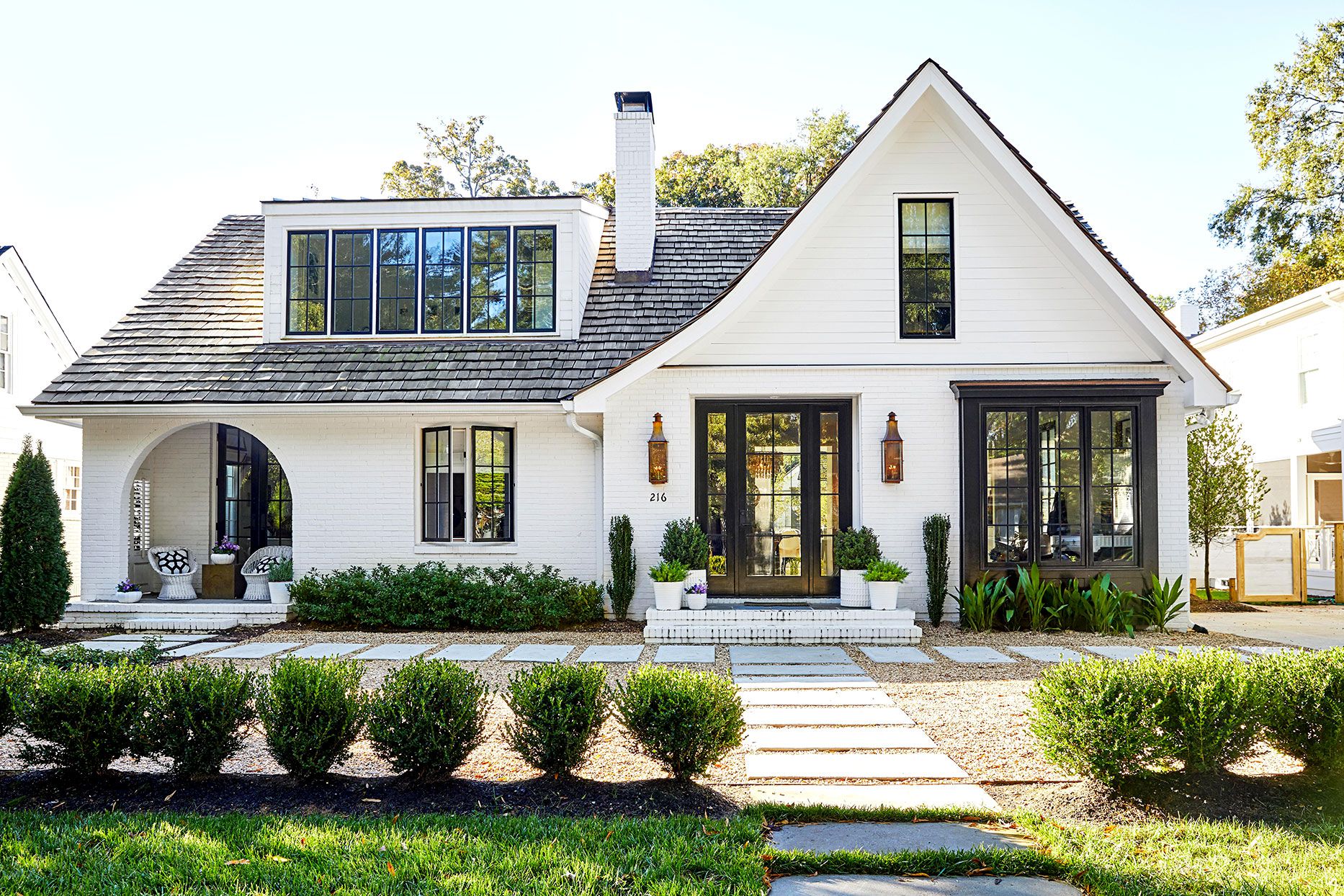
Contrast is a powerful tool for small home design. Using dark trim against light siding adds depth to flat walls. This makes surfaces look more interesting and layered.
Strong contrasts are great for:
- Door frames against siding
- Trim work and architectural details
- Window shutters and surrounding walls
- Foundation elements and main walls
Selecting Weather Resistant Finishes
Your color choice needs the right finish to stay beautiful. Weather-resistant materials protect your home for decades. Fiber cement and metal siding last over 20 years, even in harsh weather.
Here are some durable finish options:
| Material | Durability | Maintenance | Climate Resistance |
|---|---|---|---|
| Fiber Cement Siding | 25-30 years | Low | Excellent |
| Metal Siding | 20-30 years | Minimal | Superior |
| Vinyl Siding | 20-25 years | Low | Good |
| Composite Materials | 15-20 years | Moderate | Very Good |
Quality finishes prevent fading, cracking, and peeling. Your tiny home exterior stays beautiful for years with the right weather-resistant materials and finishes.
Incorporating a Minimalist Small Home Exterior
A minimalist small home exterior looks clean and sophisticated. It focuses on the essential design elements. This makes compact spaces look great by highlighting the building’s form, not busy details.
By removing unnecessary ornaments, your home becomes modern and timeless. This appeals to many buyers and visitors.
The minimalist small home exterior philosophy is all about simplicity and function. Your design should have straight lines, open spaces, and a simple material palette. Research shows homes with minimalist design often sell for more in urban areas where space is valuable.

Key Design Principles for Your Compact Space
Creating a great compact house exterior starts with quality materials that need little upkeep. Your exterior should show elegance through simplicity, not too much.
- Choose neutral color schemes with subtle variations
- Limit your material choices to two or three complementary options
- Focus on geometric shapes and clean edges
- Remove decorative elements that don’t serve a purpose
- Emphasize negative space around your entrance
Implementation Strategies for Your Home
Start by figuring out what your compact house exterior really needs. Get rid of unnecessary trim, ornaments, and embellishments. Choose materials that look good as they age.
Simple planting in rectangular planters fits the minimalist look well. Your goal is to create calm with careful restraint and material choice.
Enhancing Your Tiny House Facade
Your tiny house facade is the first thing people see. To make it stand out, mix textures and heights. This creates visual interest. Blending materials and design elements turns a simple exterior into something memorable.
A minimalist small home exterior needs smart design choices. You want it to look bigger than it is. The right mix of textures and vertical features makes your home seem taller and more spacious.
Adding Architectural Texture
Texture adds depth to your exterior walls. Cedar shingles, stone veneer, and brick accents give your tiny house facade character. These materials change how light hits them, creating shadows that add complexity.
Use at least two different textures on your exterior. Mix smooth stucco with rough stone accents. This prevents your home from looking boring or one-dimensional.
- Cedar shingles for warmth and natural appeal
- Stone veneer for durability and elegance
- Brick accents for traditional charm
- Textured panels for modern aesthetics
Integrating Vertical Elements
Vertical design features make your home look taller. Tall, narrow windows create strong vertical lines. Vertical siding also emphasizes height over width.
Adding climbing vines on trellises adds living vertical elements. These green features soften your facade while making it seem bigger.
- Install floor-to-ceiling windows or tall window styles
- Use vertical siding patterns instead of horizontal
- Add climbing plants on wall-mounted structures
- Place tall planters beside your entryway
Selecting Durable Materials for Compact Spaces
Choosing the right materials for a compact house exterior is key. It affects how your home looks and lasts over time. Quality materials shield your home from weather damage, cut down on upkeep, and keep it looking new for years.
For a strong compact house exterior, pick materials that can handle harsh weather. Metal roofing, especially standing-seam, is a great choice. It looks sleek and modern, and protects well against wind and rain. Using metal roofing can save you about 15% on yearly maintenance costs compared to asphalt shingles or wood siding.
High-Performance Material Options
There are many good material options for your small home’s exterior:
- Fiber cement boards resist rot, insects, and fire damage
- Vinyl siding needs little upkeep and lasts 20-40 years
- Composite decking materials are durable and don’t stain often
- Metal accents add a modern look and strength
- Low-maintenance stone veneer adds texture and interest
Going for premium materials means less maintenance and longer protection. Your compact house exterior will stay beautiful and safe, protecting what’s most important to you.
Lighting Strategies for Your Property
Outdoor lighting changes your home’s look after dark. Placing lights carefully can make your tiny house facade stand out. It also makes your home welcoming for visitors. The right lights make your property look great and keep your family safe.
Choosing the right lights is key. Each light has its own role on your property. Knowing these options helps you create the perfect outdoor space.
Highlighting Architectural Features
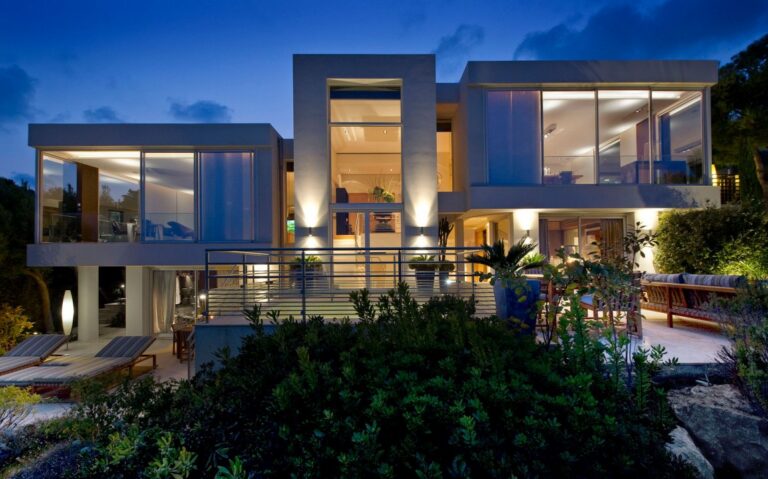
Uplighting makes your home’s best features shine. This method uses lights placed low to highlight specific parts. Your roof, walls, and corners become stunning at night. LED uplights from Kichler and Landscape Forms are great for this.
Here are some tips for placing lights:
- Place lights at the base of interesting architectural details
- Aim beams upward to create dramatic shadows
- Use warm white bulbs for an inviting glow
- Install dimmer switches for adjustable brightness
Improving Safety with Path Lighting
Path lighting makes walkways safe and visible at night. LED lights along sidewalks and driveways guide visitors. These lights save energy and last long. They prevent accidents and add beauty to your landscape.
Key path lighting features include:
- Install lights 12 to 18 inches apart along walkways
- Choose 2-watt to 4-watt LED bulbs for efficiency
- Space fixtures 3 feet from the path edge
- Set lights on timers for automatic operation
Low-voltage systems are safer and save money. They keep your property bright and welcoming at night.
Conclusion
Your home’s size doesn’t limit its beauty or style. Smart design choices can make any small house look stunning. By picking the right colors, textures, and lighting, you can make your space feel bigger and more welcoming.
Every choice you make helps build a home you love. This guide shows how to make the most of your property. Color palettes set the mood for your exterior. Architectural details and vertical elements make your home look taller.
Using quality materials keeps your home looking new. Good lighting showcases what makes your home special. These professional techniques ensure your compact home stays beautiful and useful for years.
Your exterior will reflect your style and care. Start with one idea and build from there. Your small house can be just as beautiful as any larger home on your street.