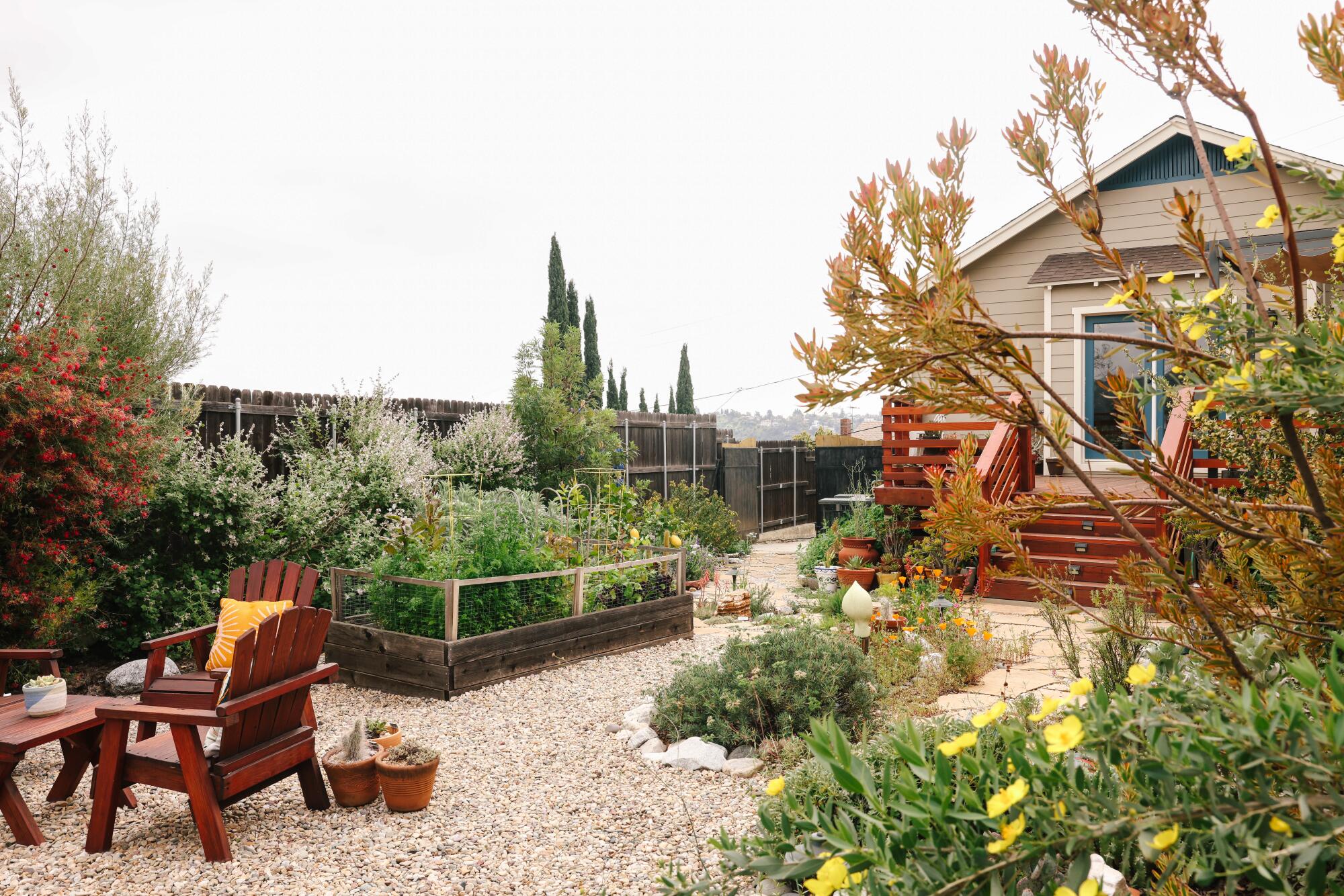
Native Plant Landscaping: A Complete Guide to Building a Low-Maintenance Garden
Native plant landscaping is becoming one of the most effective ways to create beautiful, environmentally friendly outdoor spaces. Instead of relying on exotic plants that require heavy watering, fertilizers, and pesticides, this landscaping method focuses on plants that naturally grow in your region.
Because native plants evolved within local ecosystems, they are naturally adapted to climate conditions, soil types, and seasonal weather patterns. As a result, they require significantly less maintenance compared to traditional garden plants.
Homeowners, landscape designers, and environmental advocates increasingly promote native plant landscaping because it offers multiple benefits. These include reduced water consumption, healthier soil ecosystems, stronger biodiversity, and improved resilience against pests and diseases.
In this comprehensive guide, you will learn how native plant landscaping works, why it is beneficial for modern gardens, and which products and tools can help you build a thriving native garden.
Understanding the Concept of Native Plant Landscaping
Native plant landscaping focuses on using plant species that naturally occur in a particular geographic region. These plants have developed strong relationships with local wildlife, soil microorganisms, and climate patterns over thousands of years.
What Makes Native Plants Different from Traditional Garden Plants
Traditional landscaping often includes ornamental plants imported from different parts of the world. While these plants may look attractive, they frequently require additional care to survive outside their natural environment.
Native plants, on the other hand, are already adapted to local conditions. They can tolerate regional temperature variations, rainfall patterns, and soil types. This natural adaptation makes them more resilient and less dependent on artificial inputs.
Another key difference is ecological compatibility. Native plants support local insects, birds, and pollinators that rely on them for food and shelter. Exotic plants often fail to provide the same ecological value.
By choosing native plant landscaping, homeowners create gardens that function as part of a larger ecosystem rather than isolated decorative spaces.
Environmental Benefits of Native Landscaping
Native plant landscaping significantly reduces environmental impact. Because native plants require less irrigation, they help conserve water resources. This is particularly important in regions where drought conditions are becoming more frequent.
Additionally, native plants typically require fewer chemical fertilizers and pesticides. Reduced chemical use helps protect groundwater, soil organisms, and beneficial insects.
Native gardens also improve biodiversity. Pollinators such as bees, butterflies, and hummingbirds depend on native plants for nectar and habitat. A native landscape can therefore become an essential refuge for wildlife.
Finally, native landscaping improves soil stability. Deep root systems help prevent erosion while enhancing soil structure and water retention.
Essential Tools and Products for Native Plant Landscaping
Creating a successful native plant landscape often requires the right tools and materials. While the plants themselves require less maintenance, certain products can make the process easier and more efficient.
Below are several real-world products that support sustainable native gardening practices.
Native Wildflower Seed Mix for Biodiverse Gardens
One of the easiest ways to start native plant landscaping is by using a native wildflower seed mix. The American Meadows Native Regional Wildflower Seed Mix contains carefully selected species that thrive in local climates.
These seed blends typically include a variety of flowering plants that bloom at different times throughout the growing season. This ensures continuous nectar sources for pollinators such as bees and butterflies.
The product is especially useful for homeowners who want to transform traditional lawns into vibrant wildflower gardens. Instead of maintaining high-maintenance grass, a wildflower meadow requires minimal mowing and irrigation.
Another advantage is ecological diversity. The mixture of plant species creates a balanced habitat that supports beneficial insects, birds, and soil organisms.
For gardeners who want a visually stunning yet environmentally responsible landscape, native wildflower mixes offer an excellent starting point.
Smart Irrigation Systems for Water Efficient Native Gardens
Although native plants require less watering than exotic species, efficient irrigation can still improve plant establishment during early growth stages. Smart irrigation technology helps deliver water precisely when plants need it.
The Rachio 3 Smart Sprinkler Controller uses weather data, soil moisture insights, and seasonal adjustments to automatically optimize watering schedules. Instead of watering plants on a fixed timer, the system adapts to environmental conditions.
This technology helps prevent overwatering, which is a common problem in many landscapes. Excess water can damage plant roots and waste valuable resources.
Another important benefit is convenience. Gardeners can control irrigation systems using mobile apps, allowing them to adjust watering schedules remotely.
Smart irrigation is especially valuable for homeowners who want to maintain sustainable landscapes without constantly monitoring their gardens.
Compost Tumblers for Healthy Native Garden Soil
Healthy soil plays a critical role in successful native plant landscaping. Composting is one of the best ways to enrich soil naturally without relying on chemical fertilizers.
The FCMP Outdoor Compost Tumbler allows gardeners to transform kitchen scraps and yard waste into nutrient-rich compost. The rotating drum design accelerates the decomposition process by improving airflow and mixing organic materials efficiently.
This product solves a common problem for gardeners: how to manage organic waste while producing high-quality fertilizer. Instead of throwing away plant clippings and food scraps, homeowners can recycle them into valuable soil amendments.
Compost improves soil structure, increases microbial activity, and enhances water retention. These benefits create ideal conditions for native plants to thrive.
In addition, composting helps reduce landfill waste and lowers greenhouse gas emissions caused by decomposing organic materials.
Rainwater Collection Systems for Sustainable Irrigation
Water conservation is a core principle of native plant landscaping. Rainwater harvesting provides a sustainable way to irrigate gardens without relying entirely on municipal water supplies.
The Rain Wizard Rain Barrel collects rainwater from rooftop gutters and stores it for later use. This stored water can be used for watering plants, cleaning garden tools, or maintaining outdoor spaces.
Rainwater is naturally free of chemicals found in treated tap water. This makes it particularly beneficial for plant health and soil ecosystems.
Another advantage is stormwater management. By capturing rainwater before it enters drainage systems, rain barrels help reduce runoff and prevent soil erosion.
For homeowners seeking environmentally responsible gardening solutions, rainwater collection systems are an essential addition to sustainable landscapes.
Solar Powered Garden Lighting for Eco Friendly Landscapes
Outdoor lighting enhances safety and visual appeal, but traditional electric lighting increases energy consumption. Solar lighting provides a sustainable alternative.
The Ring Solar Pathlight uses integrated solar panels to capture sunlight during the day and illuminate pathways at night. Because the lights rely on renewable energy, they eliminate the need for electrical wiring and reduce energy costs.
This technology is particularly useful for highlighting native gardens, pathways, and landscape features. Soft lighting enhances nighttime visibility without disturbing wildlife habitats.
Solar lighting systems are also easy to install. Homeowners can simply place them along walkways or garden borders without complicated installation processes.
For sustainable landscaping projects, solar lighting complements eco-friendly design principles while maintaining functionality and aesthetics.
Designing a Beautiful Landscape Using Native Plants
Native plant landscaping does not mean sacrificing visual beauty. In fact, native gardens often provide greater diversity, color variation, and seasonal interest compared to traditional lawns.
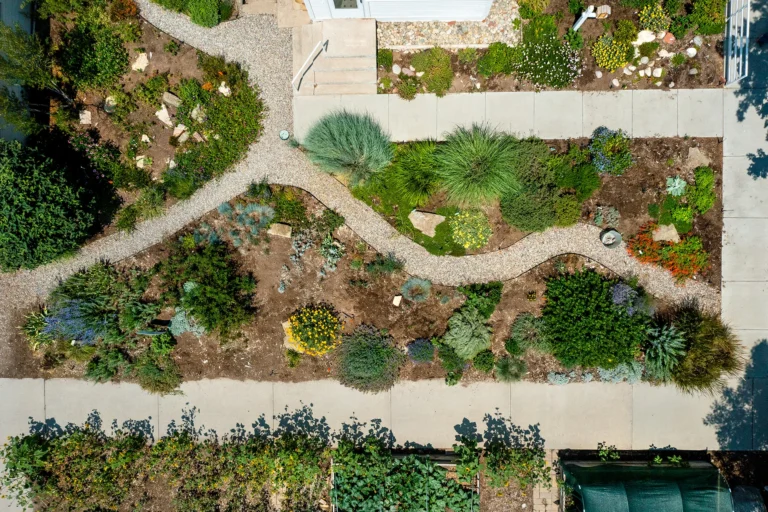
One design strategy is layering plants by height. Taller native grasses and shrubs can serve as background elements, while flowering plants add vibrant color in the foreground.
Another approach involves creating habitat zones. For example, pollinator gardens can attract bees and butterflies, while shrub clusters provide shelter for birds.
Additionally, natural pathways made of stone, gravel, or mulch enhance the organic appearance of native gardens. These pathways allow visitors to explore the landscape while protecting plant beds from foot traffic.
By combining thoughtful design with ecological principles, native plant landscapes become both visually stunning and environmentally beneficial.
Long Term Advantages of Native Plant Landscaping
Native plant landscaping offers numerous long-term advantages that extend beyond simple aesthetics.
One major benefit is reduced maintenance. Because native plants are naturally adapted to local conditions, they require less watering, fertilizing, and pest control.
Another advantage is improved ecosystem health. Native landscapes support pollinators, birds, and beneficial insects that contribute to balanced ecosystems.
Financial savings are also significant. Lower water bills, reduced fertilizer purchases, and minimal lawn maintenance equipment lead to lower long-term gardening costs.
Furthermore, native gardens increase property value. Eco-friendly landscaping is becoming increasingly attractive to homebuyers who appreciate sustainability and lower maintenance requirements.
Frequently Asked Questions
What are native plants in landscaping?
Native plants are species that naturally grow in a specific geographic region. They evolved in local ecosystems and are well adapted to the local climate, soil conditions, and wildlife.
Are native plants easier to maintain?
Yes. Native plants typically require less watering, fewer fertilizers, and minimal pest control because they are already suited to local environmental conditions.
Can native landscaping replace traditional lawns?
Yes. Many homeowners replace portions of their lawns with native wildflowers, grasses, and shrubs. This reduces water consumption, improves biodiversity, and creates more sustainable outdoor spaces.
Native plant landscaping provides a powerful way to create beautiful gardens while protecting the environment. By combining native plants with smart irrigation systems, composting solutions, rainwater harvesting, and solar lighting, homeowners can build landscapes that are sustainable, resilient, and visually stunning for years to come.