Simple Backyard Landscaping Ideas That Look Beautiful and Budget Friendly
Your backyard is full of possibilities. It’s a place to relax, enjoy time with family, and make lasting memories. Many think a beautiful yard needs expensive contractors and a lot of money. But, it’s not true. Simple landscaping can make your yard look amazing without costing a lot.
Creating a stunning outdoor area is possible. The American Society of Landscape Architects says a well-designed yard can increase your home’s value by up to 15 percent. This means spending time on your yard can pay off in big ways. Your outdoor space can show off your style and meet your family’s needs.
This guide will teach you how to make a yard that’s both beautiful and practical. You’ll learn easy steps to enhance your space. You’ll find ways to save money while still getting great results. Whether you have a small balcony or a big lawn, you can make an outdoor area you’ll love.

Key Takeaways
- Simple backyard landscaping can boost your home’s value by up to 15 percent
- Budget-friendly designs focus on high-impact changes that cost less
- Assessing your space helps you plan smarter landscaping choices
- Low-maintenance plants and ground covers save time and money
- Professional-looking yards are achievable without hiring expensive contractors
- Strategic planning turns small yards into functional outdoor retreats
- Natural materials like stone create beautiful pathways on a budget
Assessing Your Outdoor Space
Before you start digging, planting, or building, take time to understand your backyard. It has its own unique features that will guide your landscaping choices. Knowing about your soil and sunlight patterns is key to making smart decisions that save you money and effort.
Evaluating Your Current Soil Quality
Soil is the foundation of any healthy garden or landscape. Start by testing your soil to find out what type you have and what nutrients it contains. Most plants grow best when your soil pH stays between 6.0 and 7.0.
Run a simple soil test to discover if your ground is sandy, clay-heavy, or loamy. You can do this yourself with a kit from any garden store or send a sample to your local cooperative extension office. Knowing your soil type helps you pick plants that will actually thrive in your yard instead of struggling.
Your soil test results should show:
- Soil pH levels for plant compatibility
- Nutrient content like nitrogen, phosphorus, and potassium
- Soil texture and drainage capacity
- Organic matter percentage
Mapping Out Sun and Shade Patterns
Light patterns change throughout the day and across seasons. Watch your yard for a full 24-hour period to see where the sun hits and where shade falls. Take notes at different times like morning, noon, and evening.
This mapping exercise reveals microclimates in your yard—small areas with their own unique light and temperature conditions. Some spots get full sun all day. Other areas stay shaded under trees or buildings. Plants need the right light levels to grow properly.
Record your observations by:
- Noting sunny spots that receive six or more hours of direct sunlight
- Identifying partially shaded areas with three to six hours of light
- Marking fully shaded zones under tree cover or building shadows
- Observing how shade changes with the seasons
Knowing these details about your space sets you up for success. Your plants will be healthier and need less maintenance when they’re in the right spot with the right conditions.
Implementing Simple Backyard Landscaping
Now that you know your space, soil, and sunlight, it’s time to start. Simple backyard landscaping means creating zones for different activities. These zones make your yard look intentional and professional.
Using physical boundaries is key for a polished look. Metal or plastic edging is great for separating lawn from garden beds. It creates clean lines and a finished look without spending a lot.

Focal points draw attention to certain areas. A single ornamental tree or a decorative birdbath works well. These elements add interest without breaking the bank.
Structured Design Elements for Your Yard
Your landscaping should focus on organization and purpose. Here are some practical steps:
- Install edging materials to define garden bed boundaries
- Choose one focal point for each zone in your yard
- Position plants at varying heights for visual depth
- Leave open spaces for walking paths and circulation
- Group similar plants together for a cohesive look
Creating zones helps organize activities. A seating area needs comfy space and shade. A garden zone needs sunlight. A play area should be open and safe.
| Design Element | Purpose | Budget Impact |
|---|---|---|
| Edging Materials | Defines boundaries between lawn and beds | Low cost per foot |
| Focal Points | Draws eyes and adds visual interest | One investment per zone |
| Pathways | Guides movement through yard | Moderate cost |
| Plant Groupings | Creates natural organization | Varies by selection |
| Lighting Elements | Enhances usability at night | Low to moderate cost |
Start with one zone and build from there. This way, you avoid feeling overwhelmed. You’ll see results quickly and want to keep improving your outdoor space. Breaking your project into smaller sections makes it more manageable.
Creative Ideas for Small Backyard Landscaping
Working with a small space means you need smart ideas to make it work. Small backyard landscaping is all about thinking vertically and picking the right plants. Even tiny areas can become stunning green spaces with the right approach.
Your backyard doesn’t have to be big to feel welcoming. Creative techniques and the right plants can turn any small space into something special.
Utilizing Vertical Gardening Techniques
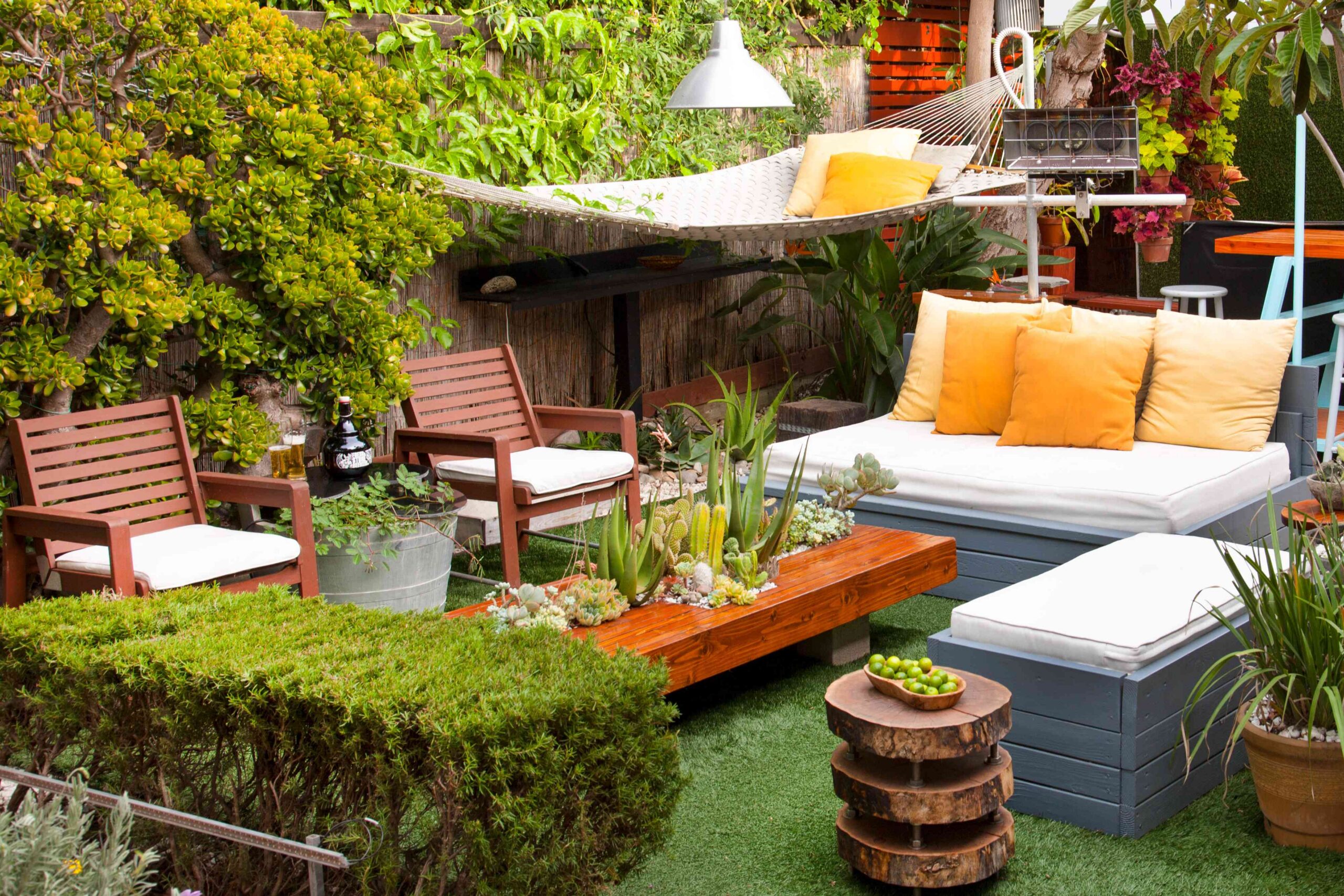
One of the best tricks for small backyards is growing plants up. Vertical gardens use walls, fences, and trellises to increase your planting space. This way, you can grow more without taking up more ground.
Here are some vertical gardening ideas:
- Wall-mounted planters for herbs and flowers
- Trellises for climbing vines and vegetables
- Hanging baskets on fences or pergolas
- Tiered shelving units for potted plants
- Living walls with specially designed pocket systems
Selecting Compact Plant Varieties
Choosing the right plants makes landscaping in small backyards easier. Compact varieties grow to fit smaller spaces without overwhelming your yard.
Here are some space-saving plants:
| Plant Type | Height | Best Use |
|---|---|---|
| Dwarf Shrubs | 2-4 feet | Borders and focal points |
| Columnar Evergreens | 6-15 feet | Vertical interest without width |
| Creeping Ground Covers | Under 1 foot | Fill empty spaces |
| Compact Flowering Shrubs | 2-3 feet | Color and seasonal interest |
Small backyard landscaping is manageable when you focus on scale and proportion. Dwarf versions of popular plants solve space issues. Columnar evergreens add height and structure without taking up much space.
These creative methods show that even small outdoor areas can be vibrant and beautiful. Focus on growing up, choosing compact plants, and making every inch count.
Achieving a Minimalist Backyard Aesthetic
To create a minimalist backyard, follow the “less is more” rule. This means clean lines, open spaces, and choosing plants wisely. Your backyard becomes a calm oasis by removing what’s not needed and focusing on what’s essential.
Start with a simple plant selection. Pick three or four types and use them everywhere. This creates a sense of order and makes your yard look designed. Opt for plants like ornamental grasses, boxwood, or Japanese maples for beauty all year without clutter.

Hardscape elements are key to a minimalist look. Use materials like concrete pavers, gravel, and stone for structure and low upkeep. These elements help define your space and keep it tidy.
Key Design Principles for Your Minimalist Backyard
- Select a restricted color palette using neutrals and one accent color
- Install quality materials that age beautifully over time
- Keep lawn areas open and uncluttered
- Use negative space intentionally for visual calm
- Choose furniture with simple, geometric lines
Keeping your minimalist backyard simple makes maintenance easier. Fewer plants mean less work on weeding, pruning, and fertilizing. Hardscape surfaces are easy to clean, turning yard work into a simple weekly task. This approach keeps your outdoor space looking great without the hassle.
Easy Yard Design Tips for Beginners
Starting your landscaping journey doesn’t have to be overwhelming. Focus on simple solutions to create a stunning yard with minimal upkeep. Choose materials and plants that are easy to care for. This way, your outdoor space will look great all year.
Building a beautiful landscape is all about making smart choices. Start with options that are tough and can handle most conditions. By using low-maintenance elements, you can turn your outdoor area into a space you love.
Choosing Low Maintenance Ground Covers
Ground covers are great alternatives to grass and high-maintenance flower beds. They spread out naturally, creating a weed-free mat. They need little water and no mowing, making them perfect for simple backyard landscaping.
Some popular low-maintenance options include:
- Creeping thyme with its tiny purple flowers
- Clover varieties that fix nitrogen in soil
- Sedums that store water in their leaves
- Moss for shady, damp locations
- Ornamental grasses for texture and movement
These plants grow fast, suppress weeds, and need little water. They make your yard sustainable and beautiful.
Incorporating Natural Stone Pathways
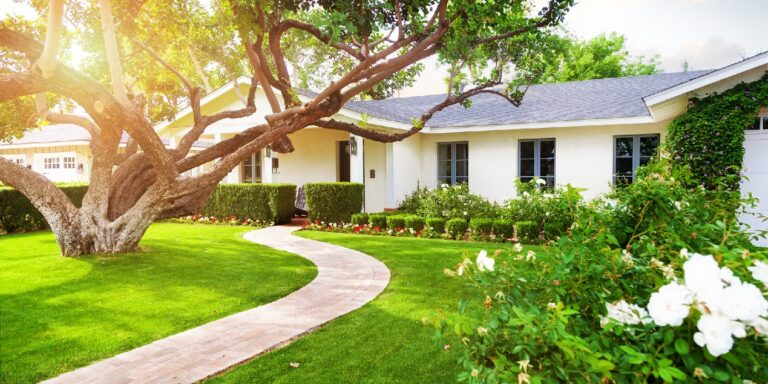
Stone pathways add structure and purpose to your landscape with no upkeep. Materials like flagstone, slate, or limestone last for decades. They withstand harsh winters and hot summers.
Benefits of stone pathways include:
- Creating clear walkways that define your yard layout
- Preventing soil compaction in frequently walked areas
- Adding visual interest and natural appeal
- Improving accessibility throughout your space
- Reducing moisture issues near plant beds
Adding stone pathways gives your yard instant maturity and polish. This simple solution combines beauty with function.
Together, ground covers and stone pathways create a thriving outdoor space. You can enjoy a landscape that looks intentional and beautiful without spending weekends on upkeep.
Conclusion
Creating a beautiful outdoor space is all about planning and creativity on a budget. You can make your backyard amazing by checking your soil, using vertical gardening, and choosing easy-to-care-for materials. It’s important to pick designs that match your home and your style.
Begin your landscaping project with small steps. You don’t have to do everything at once. Start by planting a few trees or shrubs this season. Then, add a stone pathway next season. This way, you can enjoy watching your garden grow without breaking the bank.
Your garden will be the best if it fits your life. Choose plants that do well in your climate and soil. Pick materials that are low maintenance. When your landscape works with your space, you’ll spend more time enjoying it. Now, you have the tools and knowledge to create a stunning landscape that serves your family well.